 Fairhaven Siding
 Roof Replacement for York Homes in Fairhaven
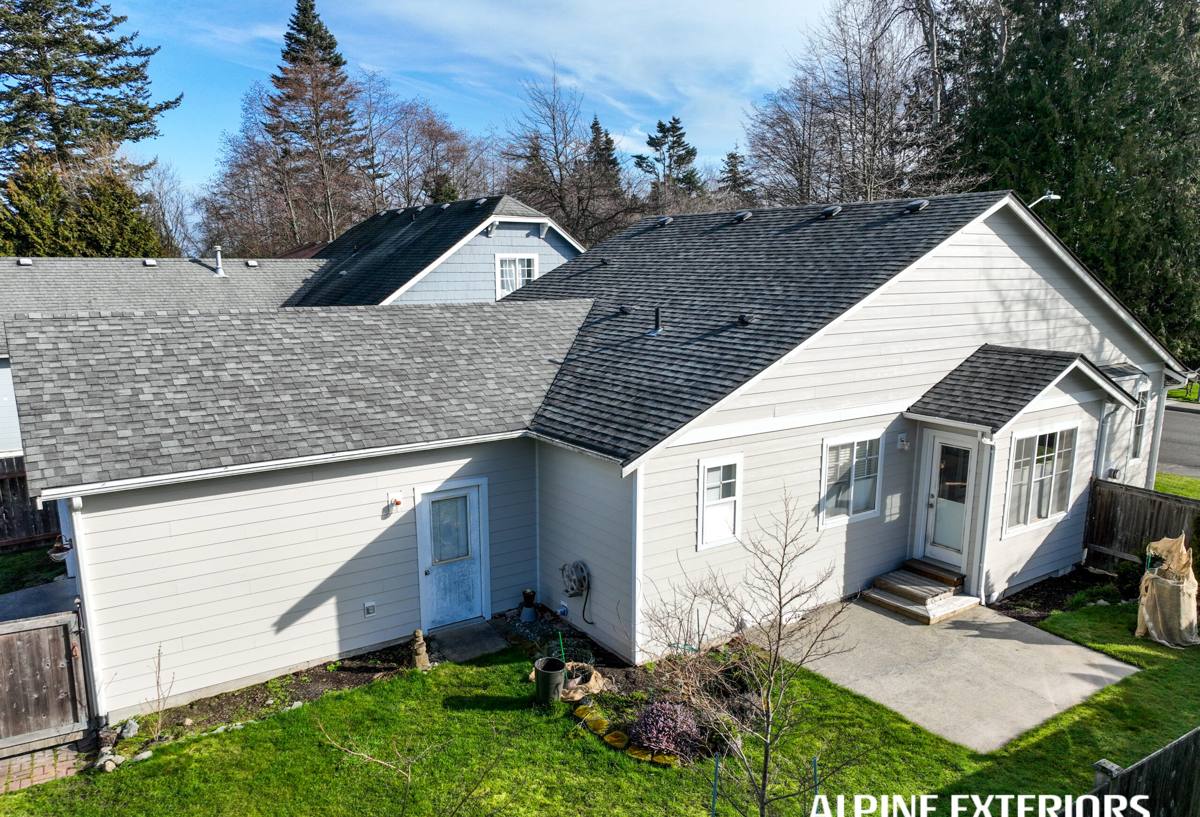
The York area sits close enough to the water and the hillside tree cover that its roofs take a beating most inland Whatcom County homes never see. Salt-laden air off Bellingham Bay works on exposed fasteners and flashing year-round, wind-driven rain pushes water sideways under poorly lapped shingles, and the shade from mature evergreens keeps roof decks damp long after a storm has passed. If you're looking at a roof replacement in York, the job isn't just "put new shingles on" — it's about building a roofing system that's matched to this specific stretch of coastline.
We've replaced roofs across Fairhaven neighborhoods long enough to know which details matter here and which ones are just upsells. This page walks through what a York roof actually needs, what a correct replacement includes, and how we run the project from first look to final walkthrough.
Why York's Climate Is Hard on Roofs
Salt Air and Metal Fatigue
Proximity to the bay means airborne salt settles on every exterior surface, including your roof. Exposed nail heads, cheap flashing, and uncoated metal components corrode faster here than they would ten or fifteen miles inland. Over time, corroded flashing around chimneys, skylights, and roof-to-wall transitions is one of the most common leak sources we find on older York roofs — not the shingles themselves.
Driving Rain and Wind-Loaded Water
Whatcom County storms rarely come straight down. Wind off the water drives rain sideways and under roof edges, which means underlayment quality and how the roof is detailed at eaves, valleys, and penetrations matters more here than in calmer climates. A roof that would perform fine in a dry inland town can leak in York if the underlayment and flashing details weren't built for wind-driven rain.
Moss, Shade, and a Long Wet Season
Tree cover common in and around York keeps parts of many roofs shaded most of the day. Combined with our long wet season, that shade lets moss and algae take hold on north-facing slopes and anywhere debris collects. Moss isn't just cosmetic — its root structure lifts shingle edges and holds moisture against the roof deck, which shortens the life of even a well-installed roof if it isn't managed.
What a Correct Roof Replacement Includes
A roof replacement done right in this climate is a system, not a single product. Each layer has a job:
- Tear-off and deck inspection: full removal of old roofing so we can check the deck for soft spots, rot, or delamination before anything new goes down — covering over a compromised deck just hides the problem.
- Ice-and-water shield at vulnerable areas: self-adhering membrane at eaves, valleys, and around penetrations gives a second line of defense where wind-driven rain is most likely to get under the surface layer.
- Synthetic underlayment: a water-resistant barrier across the full deck, correctly lapped so water always sheds downhill, not into a seam.
- Corrosion-resistant flashing: proper metal at chimneys, walls, valleys, and vent penetrations, chosen and installed to hold up to salt-air exposure rather than just meeting code minimums.
- Balanced ventilation: intake at the eaves and exhaust at the ridge, sized to the attic, so moisture and heat don't build up and shorten the life of the deck and roofing material from underneath.
- Roofing material matched to the site: shingle or metal chosen for the home's exposure, slope, and shade pattern rather than a one-size-fits-all default.
Choosing the Right Material for a York Roof
There's no single "best" roofing material for every home in this area — the right call depends on how much shade and salt exposure a particular roof gets, plus the homeowner's budget and how long they plan to stay in the house. Here's how the common options compare for York conditions specifically:
| Material | Salt Air Performance | Moss Resistance | Typical Lifespan | Notes for York |
|---|---|---|---|---|
| Architectural asphalt shingle | Good with proper flashing | Moderate; benefits from algae-resistant granules | 25–30 years | Most common choice; solid value if flashing and ventilation are done correctly |
| Standing seam metal | Very good with coated/marine-grade fasteners | High — sheds moss more readily than shingles | 40–50+ years | Higher upfront cost, less maintenance over time in shaded, damp spots |
| Basic 3-tab shingle | Fair | Low | 15–20 years | Lower cost but shortest lifespan in this climate; not what we recommend for full sun/salt/shade exposure |
| Cedar shake | Fair, needs upkeep | Low without regular treatment | 20–30 years with maintenance | Attractive but higher maintenance burden in a damp, shaded setting |
We'll talk through these trade-offs honestly during your estimate — including where a lower-cost option makes sense versus where spending more up front saves money over the life of the roof.
Signs a York Roof Needs Replacement, Not Another Repair
Not every roof problem calls for full replacement. But there's a point where repeated patch repairs cost more over time than doing the job once, correctly. Watch for:
- Granule loss heavy enough that you're seeing bare, shiny patches on shingles
- Curling, cupping, or cracked shingles across multiple areas of the roof, not just one spot
- Persistent moss growth that returns within a season or two of cleaning
- Daylight visible through the roof deck from inside the attic
- Soft or spongy spots when walking the roof, or sagging visible from the ground
- Flashing that's visibly rusted, lifted, or missing around chimneys and vents
- Multiple past repairs in different spots — a sign the roof is failing generally, not locally
Our Roof Replacement Process
1. On-Site Inspection and Honest Assessment
We start with a full roof walk — not a drive-by estimate. We check the deck, flashing, ventilation, and any moss or moisture patterns specific to your property's sun and shade exposure. If a repair genuinely makes more sense than replacement, we'll tell you that.
2. Written Scope and Material Selection
You get a clear, written proposal covering materials, underlayment, flashing approach, and ventilation plan — no vague line items. We'll walk through material options against your budget and how long you plan to own the home.
3. Tear-Off and Deck Repair
Full removal of the old roofing, deck inspection, and any necessary sheathing repair before a single new material goes down. We don't roof over problems.
4. System Installation
Underlayment, ice-and-water membrane at vulnerable zones, flashing, and final roofing material installed in the sequence that gives you the best protection against this area's wind-driven rain and salt exposure.
5. Cleanup and Final Walkthrough
Full site cleanup including magnetic nail sweep, then a walkthrough so you understand what was done and how to spot early signs of trouble down the road.
Why Hiring a Crew That Already Works York Matters
Roofing crews that mostly work drier, inland areas sometimes underestimate what coastal Whatcom County conditions demand — lighter underlayment specs, standard fasteners instead of corrosion-resistant ones, or ventilation plans that don't account for heavy shade. A crew that regularly works in and around Fairhaven and the York area already knows which slopes tend to hold moss, which flashing details fail first near the water, and how to sequence a tear-off around our wet-season weather windows. That local pattern recognition shows up in fewer callbacks and a roof that actually performs the way it's supposed to.
Maintaining Your New Roof
A correctly installed roof still benefits from basic upkeep, especially in a moss-prone, salty environment:
- Keep gutters and valleys clear of needles and debris so water has a clear path off the roof
- Have moss growth treated or removed before it spreads, rather than waiting for a heavy buildup
- Trim back overhanging branches where practical to reduce shade and debris accumulation
- Schedule a roof check after major windstorms to catch lifted flashing or shingles early
- Watch for granule buildup in gutters, an early sign of shingle wear
What Roof Replacement Typically Costs
Costs vary based on roof size, pitch, material choice, and how much deck repair is needed once the old roofing comes off. Asphalt shingle replacements on typical York-area homes generally run in the moderate five-figure range, with standing seam metal costing more upfront but less over its longer service life. Steep or complex rooflines, extensive flashing work, or deck repair add to the total. We give firm, itemized numbers after the on-site inspection — not a phone-quote guess.
If your York-area roof is showing its age or you just want an honest read on where it stands, we're happy to take a look. Fill out the form below for a free, no-pressure estimate — we'll walk the roof, explain what we find, and give you a clear picture of your options before you decide anything.