 Fairhaven Siding
 Why Chuckanut Windows Take a Different Kind of Beating
Chuckanut sits in one of the more exposed pockets of the Fairhaven area — close enough to the water that salt-laden air is a daily fact of life, backed against the hillside where moisture sits under tree cover for months at a time. That combination is hard on windows in ways that inland Whatcom County homes never really deal with. Salt air accelerates corrosion on hardware, hinges, and metal components. Driving rain off the bay finds every gap in an old sash or worn seal. And the long moss season here means constant shade and dampness against north- and west-facing glazing, which keeps wood trim wet far longer than it should stay.
None of that is a reason to panic about your windows. It's a reason to be specific about what "energy-efficient" needs to mean for a house in this location, rather than installing whatever's on sale and hoping it holds up the way it might in a drier, more sheltered neighborhood.
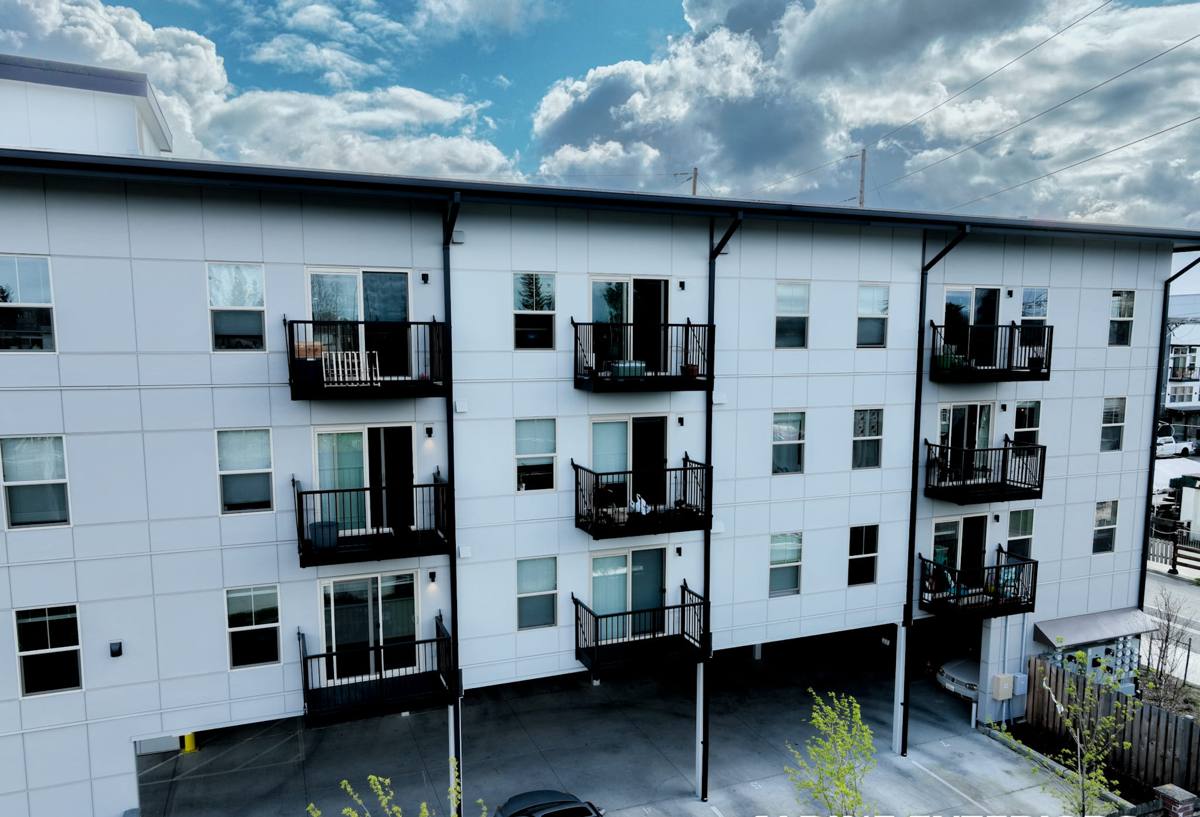
What Energy Loss Actually Looks Like in Older Chuckanut Homes
Most of the energy-efficiency complaints we hear in this neighborhood aren't about glass — they're about air movement around the window, not through it. A window can have decent double-pane glass and still leak heat badly if the frame has swollen, the weatherstripping has hardened, or the original installation never sealed properly against the rough opening. In a marine climate, wood-framed windows in particular tend to develop this problem gradually: seasonal wet-dry cycling flexes the frame just enough to open hairline gaps that widen every year.
The checklist we actually use on a first visit
- Cold draft along the sash edges or bottom rail when the window is fully latched
- Visible daylight or drafts around the exterior trim, not just the sash itself
- Condensation or fogging between panes (a sign the seal on the insulated glass unit has failed)
- Soft or discolored wood at the sill, especially on north- and west-facing units
- Hardware that's stiff, corroded, or won't latch tight anymore
- Visible moss or algae staining on the exterior trim or sill
- Noticeably higher heating bills in the rooms with the oldest windows
If you're seeing two or more of these on a given window, replacement usually pencils out faster than repeated repair — especially once you factor in the comfort difference of a room that isn't losing heat to a cold draft all winter.
What a Correct Window Installation Involves Here
The window unit itself is maybe half the job. The other half — flashing, sealing, and integration with the surrounding wall assembly — is what determines whether that window is still performing well in ten years or leaking again in three. In a climate that gets sustained driving rain off the water, this part matters more than it does in drier regions, and it's the step that gets rushed on cut-rate installs.
What we do on every replacement
- Remove the old unit and inspect the rough opening and sill for hidden rot before anything new goes in
- Repair or rebuild any compromised framing — a new window installed over damaged sheathing just fails again
- Install proper flashing tape and a sloped sill pan so water is directed out, not trapped against the frame
- Set the new window plumb, level, and square, then shim and fasten per the manufacturer's specified pattern
- Seal the interior and exterior with the correct sealants for a marine climate — not a generic caulk that hardens and cracks within a season
- Insulate the gap between the frame and the rough opening properly, without overpacking it and bowing the frame
Skip the flashing and sill pan detail and even a top-tier window will eventually let water track down into the wall cavity — which, given how long moss and dampness linger on shaded elevations here, can turn into a hidden rot problem long before anyone notices a drip.
Choosing a Frame Material for This Microclimate
There's no single "best" window material — there's a best fit for your house, your budget, and how much upkeep you want to take on. In a salt-air, high-moisture environment, the trade-offs shift a bit compared to a drier inland location.
| Frame Type | How It Handles Salt Air & Moisture | Maintenance | Typical Trade-off |
|---|---|---|---|
| Vinyl | Won't corrode or rot; handles moisture well | Low — occasional cleaning | Fewer color/finish options; can look less traditional on older homes |
| Fiberglass | Excellent — dimensionally stable, resists salt and moisture | Low | Higher upfront cost than vinyl |
| Wood (unclad) | Vulnerable — needs diligent upkeep in this climate | High — regular painting/sealing, especially on shaded sides | Classic look, but a real commitment near the water |
| Wood with aluminum or fiberglass cladding | Good — cladding shields the exterior face from salt and rain | Moderate — interior wood still needs occasional attention | Higher cost; strong option for character homes wanting a wood interior look |
For homes right in the Chuckanut area, we lean toward steering clients away from bare, unclad wood on any exposed or shaded elevation. It's not that wood is a bad material — it's that maintaining bare wood against sustained salt air and a long moss season is a real, recurring workload, and most homeowners underestimate it until the paint starts failing two years in. Clad wood or fiberglass gets you the durability without giving up as much on appearance.
Glass and Performance Ratings That Actually Matter Here
Two numbers on the window label do most of the work for our climate: U-factor and Solar Heat Gain Coefficient (SHGC). U-factor measures how well the window resists heat loss — lower is better for our cool, wet winters. SHGC measures how much solar heat comes through the glass; in Whatcom County's mostly overcast climate, a moderate SHGC is usually fine since you're not fighting intense summer sun the way homes further south or inland are.
Double-pane windows with a low-E coating and an argon-filled gap are the standard baseline for this region now, and they make a real difference over old single-pane or early double-pane units. Triple-pane can make sense on a north-facing wall that takes constant wind and rain, but it's not always worth the added cost on every elevation of a house — that's a room-by-room conversation, not a blanket upgrade.
Our Process, Start to Finish
- On-site assessment. We look at every window you're considering, check for hidden rot or moisture damage, and note which elevations are taking the worst of the weather.
- Honest recommendation. We'll tell you which windows genuinely need replacing now, which can wait, and which just need re-sealing or hardware service.
- Written estimate. Clear pricing, clear scope, and the frame/glass options that make sense for your home and budget — no pressure to upgrade past what you actually need.
- Installation. Proper flashing, sill pans, sealing, and insulation on every unit, not just the window swap.
- Final walkthrough. We check operation, seals, and finish work with you before we call the job done.
Living with Windows in a Salt Air, High-Moisture Climate
Even a well-installed, high-quality window benefits from a little seasonal attention here. Rinse accumulated salt residue off exterior frames and hardware a few times a year, especially after storms. Keep gutters and nearby foliage trimmed back so shaded elevations get some airflow and sun exposure to discourage moss and mildew buildup. Check weatherstripping annually — it's the first thing to degrade, and it's a cheap fix compared to letting a draft go unaddressed for years. None of this is heavy maintenance, but skipping it is exactly how good windows underperform their expected lifespan in a coastal Whatcom County setting.
Why Local Experience in Chuckanut Matters
A crew that mostly works drier, more sheltered neighborhoods can still install a window correctly on paper and still get it wrong for this location — wrong sealants, wrong flashing detail, wrong assumptions about how much moisture that wall is going to see over a wet Fairhaven winter. Working this specific stretch of Whatcom County regularly means we've already seen how salt air and driving rain expose shortcuts, and we build our installs around that reality instead of a generic spec sheet.
If your windows are drafty, fogged, or just old enough that you're wondering whether they're costing you money every month, we're happy to take a look. We'll give you a straightforward, no-pressure estimate and tell you honestly what your home actually needs — nothing more, nothing less. The form below is the easiest way to get started.