 Fairhaven Siding
 Board & Batten in a Neighborhood Built for It
Birchwood's mix of older bungalows, mid-century ramblers, and newer infill homes gives board and batten a lot of room to work. The style reads clean on a modest one-story home and gives a taller build real vertical presence without looking busy. It's also one of the more forgiving siding profiles when a home has an irregular roofline or a mix of gable and shed additions, which shows up often on streets that have been added onto over the decades.
But board and batten is not a style you can install the same way everywhere in the country and expect the same result. What holds up in a dry inland climate can fail quietly here in Fairhaven, where the siding faces salt-laden air off the water, long stretches of driving rain, and a moss season that can run most of the year on shaded elevations. The style is right for Birchwood. The materials and the installation details are what determine whether it actually performs.
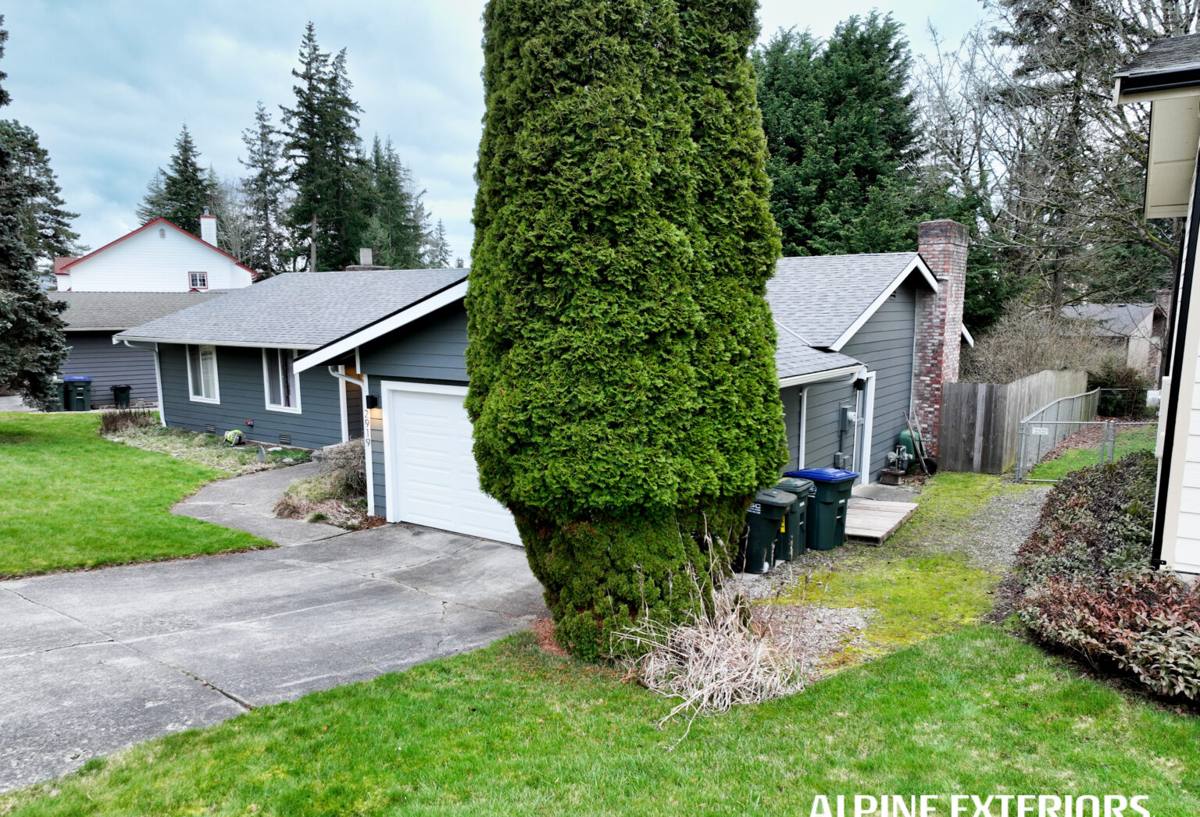
What Whatcom County's Climate Does to Board & Batten Siding
Three conditions matter most for this style specifically, because board and batten relies on vertical panels and raised battens that create more joints and more edges than lap siding does.
Salt Air
Homes closer to the water take a slow, steady dose of salt-laden moisture in the air. It doesn't cause dramatic damage overnight, but it accelerates corrosion on fasteners and metal flashing, and it degrades finishes that weren't engineered to handle it. Board and batten has more exposed fastener points than most profiles, so the quality of the fastener and the finish over it matters more here than it would on a plain lap job.
Driving Rain
Wind-driven rain off the Strait doesn't fall straight down — it gets pushed sideways into vertical joints, batten edges, and anywhere a seam meets a seam. Board and batten has more vertical seams per square foot than horizontal lap siding, and every one of those seams is a potential water entry point if it isn't detailed correctly behind the panel, not just caulked on the surface.
Moss Season
Shaded north and west elevations in Birchwood, especially under mature trees, stay damp for extended stretches. Moss and algae don't just look bad — they hold moisture against the siding surface for longer periods, which is exactly what accelerates rot in a product that isn't dimensionally stable or properly sealed. A siding material that swells, splits, or absorbs water when wet is going to lose that fight over years, not weeks.
What a Correctly Installed Board & Batten Job Involves
The visual result — vertical panels with raised battens — is the easy part to picture. The part that determines whether it lasts is what's underneath and behind it.
- A drainage plane (weather-resistant barrier) installed continuously behind the panels, with proper lapping at seams and penetrations
- A rainscreen gap or furring strategy that lets any water that gets behind the panel actually drain and dry, instead of sitting against the sheathing
- Correct fastener placement and type — through-fastened where the batten and panel overlap, sized and spaced to manufacturer spec, not just "close enough"
- Proper flashing at every horizontal interruption: window and door heads, roof-to-wall transitions, deck ledgers, and the bottom termination near grade
- Factory-finished edges and field-cut edges sealed per manufacturer instructions, since a raw cut edge is the fastest way for a fiber cement panel to take on water if left unsealed
- Adequate clearance from grade, roofing, and hardscape so the bottom of the siding isn't sitting in a splash zone
Skip any one of these and the siding can still look right for a season or two. The failures that show up on poorly installed board and batten — soft spots at the base, staining at seams, panels that have started to separate from the battens — usually trace back to one of these details being rushed or skipped, not to the style itself.
Why We Only Install This in James Hardie Fiber Cement
Board and batten shows up in several materials — vinyl, engineered wood, primed spruce or cedar, and fiber cement. We install James Hardie fiber cement exclusively, and for this particular profile in this particular climate, the reasoning is even more direct than usual.
| Material | How it holds up in salt air, rain, and moss |
|---|---|
| Vinyl board and batten | Won't rot, but panels expand and contract with temperature and can visibly warp or bow over time; seams rely on overlap and fasteners rather than a rigid, sealed joint |
| Primed spruce or cedar | Real wood grain and weight, but end grain and cut edges absorb water readily; needs disciplined repainting and caulk maintenance to keep moisture out at every seam |
| Engineered wood (e.g. LP-type products) | More stable than raw wood, but the wood-strand core is still moisture-sensitive at cut edges and panel joints if sealing isn't maintained |
| James Hardie fiber cement | Non-combustible, dimensionally stable in wet-dry cycling, factory ColorPlus finish resists the fading and cracking that field-applied paint doesn't hold up against here |
None of the alternatives are "bad" products in every climate — they're just a harder bet in a place with this much sustained moisture and salt exposure. Fiber cement doesn't swell when it gets wet and doesn't rot at a cut edge the way wood-based products can. Hardie's ColorPlus factory finish is baked on under controlled conditions, which holds color and resists cracking far better than a coat of field-applied paint or stain reapplied every few years. For a profile with as many joints and edges as board and batten has, that stability matters more, not less.
Product Line We Use for This Look
Hardie's vertical panel and batten systems are engineered as a system — panel, batten, and fastening spec designed to work together, with an HZ5 formulation built for the wetter, more moisture-heavy climates of the Pacific Northwest rather than a one-size-fits-all national spec. That's a meaningful difference from a generic panel product with battens added on.
Our Process for a Birchwood Board & Batten Job
- On-site assessment: we walk the exterior, check the current siding and sheathing condition, and note problem elevations — usually the shaded, moss-prone sides and anywhere water has clearly been draining wrong
- Moisture and substrate check: we look for soft sheathing or existing rot before anything goes back on the wall, since covering a wet wall with new siding just hides the problem
- Drainage plane and rainscreen install: the weather-resistant barrier and drainage strategy go in first and get inspected before panels go up
- Flashing at every transition: windows, doors, rooflines, and the base of the wall get flashed correctly, not just caulked
- Panel and batten installation: fastened and spaced to Hardie spec, with all cut edges sealed
- Final walk-through: we go over the finished job with you before we consider it done
Maintenance After Installation
One of the practical advantages of fiber cement board and batten in this climate is how little upkeep it asks for compared to wood or repainted alternatives. It still needs basic care:
- Periodic rinsing to keep salt residue and moss spores from building up, especially on shaded elevations
- Keeping gutters clear so water isn't overflowing directly onto the siding face
- Trimming back vegetation that keeps a wall shaded and damp longer than it needs to be
- A visual check after major storms for any damaged caulking at trim and penetrations
That's a much shorter list than what wood or engineered wood siding asks for over the same years, largely because there's no repainting cycle to manage and no bare wood edges to keep sealed.
What Affects Cost on a Board & Batten Job
| Factor | Why it matters |
|---|---|
| Home size and wall complexity | More corners, gables, and dormers mean more cuts, more flashing detail, and more labor |
| Existing siding removal and sheathing repair | Rot or soft sheathing found underneath old siding needs to be addressed before new siding goes up |
| Batten spacing and reveal chosen | Tighter batten spacing uses more material and more fastening labor than a wider reveal |
| Trim and detail package | Window and door trim, corner treatments, and fascia detailing add to scope |
| Access and site conditions | Slopes, tight lot lines, and mature landscaping common in older Birchwood lots can affect staging and labor time |
We don't quote a job without walking the property — every home carries a different mix of these factors, and a fair estimate depends on seeing the actual walls, not a phone description.
Signs It's Time to Replace, Not Patch
- Soft or spongy spots at the base of the siding or around window sills
- Persistent moss or algae staining that returns quickly after cleaning
- Visible gaps, warping, or separation between panels and battens
- Paint or finish that's chalking, peeling, or fading unevenly by elevation
- Increasing drafts or moisture signs on interior walls near exterior siding
Why It's Worth Hiring a Crew That Already Works This Neighborhood
A crew that's installed siding around Fairhaven and Whatcom County understands which elevations in a neighborhood like Birchwood typically stay damp longest, how much salt exposure a given block actually gets, and where drainage tends to go wrong on the older housing stock common in the area. That's the kind of judgment that shows up in the small decisions — where to add extra flashing, which side of the house needs a wider rainscreen gap — that a crew unfamiliar with the region has to guess at.
If you're considering board and batten for a home in Birchwood, we're happy to take a look and walk you through what your specific home and elevations need. The estimate is free, there's no pressure, and you'll get a straight answer about what the job actually involves.