 Fairhaven Siding
 Why Color Choice Is a Bigger Decision Than It Looks
Picking a siding color feels like the fun part of a project — swatches, mood boards, maybe a few photos of houses you like. But on a fiber cement job, the color decision is tied directly to the finish system, the warranty, and how the house will look in year twelve, not just year one. That's a different conversation than picking a paint color for a bedroom wall, and it's worth understanding before you commit.
In Fairhaven, that decision carries extra weight. Whatcom County's marine air, the near-constant drizzle off Bellingham Bay, and a moss season that can stretch from October through April all put steady stress on exterior finishes. Some colors and sheens shrug that off better than others, and the finish technology underneath the color matters just as much as the color itself.
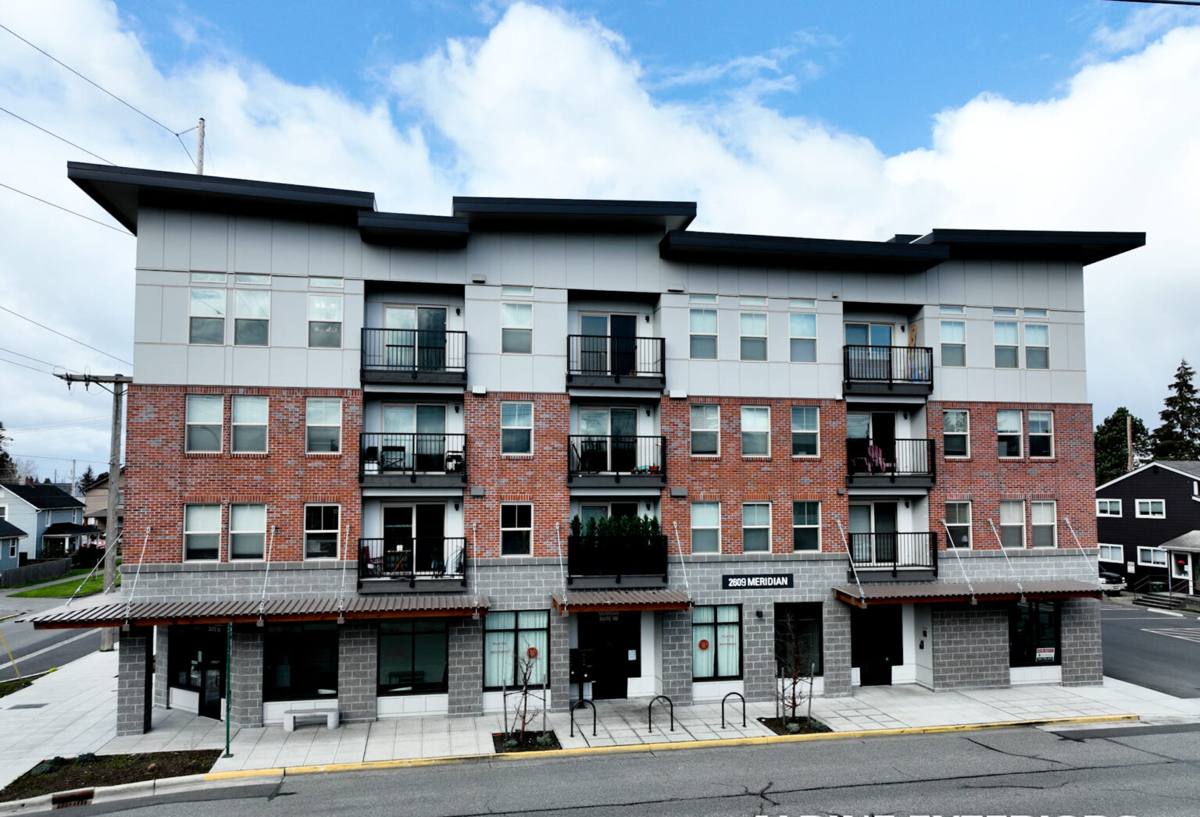
What ColorPlus Actually Is
James Hardie's ColorPlus Technology is a factory-applied finish, not a paint job done on the jobsite. Panels and boards are coated and cured in a controlled environment using a baked-on process, then shipped to the site ready to install. That's different from primed fiber cement, which arrives with a basic protective primer and needs a full field-applied paint job after installation.
The practical difference shows up in three places:
- Consistency — every board in a batch is finished under the same controlled conditions, so you don't get the color drift that can happen when a crew field-paints an entire house over several days of changing weather.
- Adhesion — the finish is baked onto the fiber cement substrate rather than rolled or sprayed on-site, which generally holds up better to Northwest damp cycles than a standard field-applied coat.
- Warranty structure — ColorPlus finishes carry their own separate finish warranty from Hardie, on top of the substrate warranty. Field-painted primed siding relies on whatever the paint manufacturer and painting contractor back their work with, which varies a lot.
The Whatcom County Color Factor
Salt Air and Coastal Exposure
Fairhaven sits close enough to the water that salt-laden air is a real factor on exterior surfaces, especially on homes with more direct exposure. Salt doesn't care what color your siding is, but it does interact with finish quality — a weaker or inconsistent coating is more likely to show chalking, fading, or surface breakdown over time in a salt-air environment. A factory-cured finish gives you a more uniform barrier to start with.
Driving Rain
Whatcom County gets a lot of horizontal, wind-driven rain, not just gentle vertical drizzle. That kind of weather finds every gap in a finish and tests caulk lines, laps, and butt joints constantly. Darker, saturated colors and lighter, muted colors perform the same structurally under this kind of exposure — the real variable is installation quality (proper flashing, gapping, and sealant at joints), not the color itself. But a poor color match at touch-up points becomes far more visible on saturated tones than on neutral ones, which is worth knowing before you fall in love with a bold color.
Moss Season
Moss and algae growth is a fact of life on north-facing and shaded walls in this climate, especially under mature trees or in tighter side yards. Lighter, cooler-toned colors tend to show the first hints of green or black streaking sooner than darker, warmer tones simply because the contrast is more visible — it's not that the siding is performing differently underneath. Homeowners choosing a lighter palette for a shaded elevation should expect to rinse the siding occasionally as routine upkeep, the same as you would with any other exterior material in this region.
Popular ColorPlus Palettes for Fairhaven Homes
Fairhaven's housing stock ranges from craftsman bungalows and older Victorians in the historic district to newer builds with more contemporary lines. Color choice tends to follow the architecture:
- Craftsman and bungalow style — earthy, muted tones (deep greens, warm grays, soft browns) with a contrasting trim color read as true to the period and blend well with the mature tree canopy common in these neighborhoods.
- Traditional Northwest homes — classic neutrals (warm whites, soft grays, navy) are the most common choice because they hold up visually against the region's frequent overcast light, which can make very bright or very dark colors look flat.
- Contemporary builds — charcoal, black, and deep navy paired with cedar-look accent panels are increasingly common for newer construction, especially on homes with larger unshaded south or west elevations where color richness reads well.
There's no wrong answer here structurally — ColorPlus performs consistently across the palette. The decision is really about what fits the house and the neighborhood, and how much visual maintenance (rinsing, moss treatment) you're willing to do on shaded walls regardless of color.
ColorPlus vs. Field-Applied Paint: A Side-by-Side Look
| Factor | ColorPlus Factory Finish | Primed Siding, Field-Painted |
|---|---|---|
| Application environment | Controlled factory conditions | On-site, subject to weather during install |
| Color consistency | Uniform across the batch | Depends on painter, weather, number of coats |
| Finish warranty | Separate finish warranty from Hardie | Depends on paint brand and painting contractor |
| Repaint interval | Typically much longer before a repaint is needed | Standard exterior repaint cycle applies |
| Upfront cost | Modest premium over primed material | Lower material cost, added labor cost for painting |
| Long-term cost | Lower — no repainting labor for many years | Higher over time — repaint labor recurs |
Why We Standardize on ColorPlus
We install James Hardie exclusively, and within that lineup we lean on ColorPlus finishes for the great majority of jobs because the finish warranty, consistency, and reduced repaint burden line up with what actually performs well in this climate. It's not the cheapest possible option on paper if you only look at material cost, but factoring in the labor you'd otherwise spend repainting a house every several years in a wet coastal climate, it's the more honest value over the life of the siding.
Trim, Fascia, and Accent Considerations
Color decisions don't stop at the field siding. Trim boards, fascia, and any accent panels (shingle-style or board-and-batten sections, for example) are also available in ColorPlus finishes, and getting the combination right matters for both looks and function:
- Contrasting trim colors help highlight architectural details like window surrounds and corner boards — useful on craftsman and traditional homes.
- Matching trim and field colors gives a cleaner, more monolithic look that reads well on contemporary designs.
- Darker trim on lighter field siding tends to hide the earliest signs of moss or mildew streaking better than the reverse, simply because dark surfaces show less contrast.
A Practical Color-Selection Checklist
- Look at large physical samples outdoors, in Fairhaven's actual overcast light — small chips and screen colors are unreliable here.
- View samples at different times of day, including under cloud cover, since colors shift more under diffuse Northwest light than under bright sun.
- Identify which elevations are shaded or north-facing and factor moss visibility into color choice for those walls.
- Decide on trim and accent contrast before finalizing the field color, not after.
- Confirm the finish warranty terms in writing and understand what's covered versus what depends on installation practices.
- Ask about touch-up paint availability and color-matching for the specific ColorPlus color you choose.
Maintenance Expectations, Regardless of Color
No color choice eliminates routine care in this climate. A ColorPlus finish is low-maintenance compared to field-painted siding, but "low-maintenance" doesn't mean "no maintenance." Plan on an occasional gentle rinse to clear pollen, road film, and early moss growth, particularly on shaded or north-facing walls. Avoid pressure washing directly into laps and joints — a garden hose and soft brush is usually enough. Keeping gutters clear and vegetation trimmed back from the siding reduces the moisture exposure that drives moss growth in the first place, which matters more to long-term appearance than the color itself.
Getting the Color Decision Right the First Time
Because ColorPlus is a factory finish, you're choosing from Hardie's established palette rather than an unlimited custom paint deck — which is a trade-off worth understanding upfront. The upside is that every color in that palette has been engineered and tested as part of the finish system, not picked off a generic paint fan deck and hoped for the best. For most homeowners, working through samples on the actual house, in Fairhaven's real light and weather, is the difference between a color that looks great on day one and one that still looks great a decade in.
If you're weighing colors for a siding project in Fairhaven or elsewhere in Whatcom County, we're happy to bring out large-format samples, walk your specific elevations, and talk through what will hold up best given your home's sun and shade exposure. Reach out for a free, no-pressure estimate — there's no obligation, just a straight conversation about what fits your house.