 Fairhaven Siding
 Building Decks That Actually Hold Up Near Bellingham Bay
A deck in York looks like a simple backyard project until you factor in where it sits. This part of Whatcom County deals with salt-laden air rolling in off Bellingham Bay, long stretches of driving rain in the fall and winter, and a moss season that can stretch from October well into spring. None of that is unusual for the region, but it changes what "correctly built" means for a deck. A design that would be fine in a dry inland climate can fail early here if the materials, fasteners, and drainage details aren't matched to what the weather actually does to a structure year-round.
We build and repair decks for homes in and around the York neighborhood, and the jobs we get called back to fix are almost never about bad carpentry in the visible parts. They're about corrosion in hardware nobody sees, water trapped where it shouldn't be, and surfaces that turn into a slip hazard every winter because nobody planned for moss.
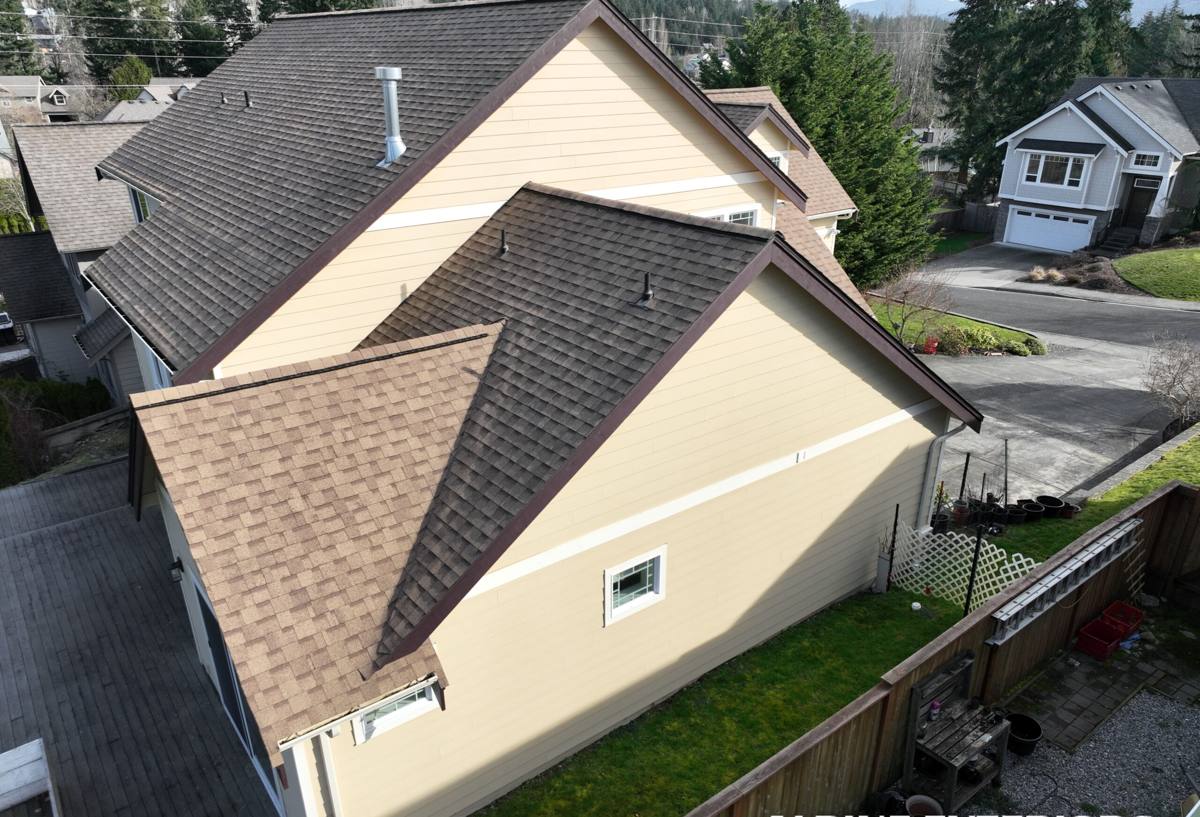
What York Homes Need From a Custom Deck
York sits close enough to the water that salt exposure is a real factor, even a few blocks inland, and homes here also sit under a fair amount of tree cover that keeps decks shaded and damp for long stretches of the year. Combined with our normal Pacific Northwest rainfall pattern, that means three things matter more here than they would in a drier climate:
Moisture Management, Not Just Waterproofing
It's not enough to keep water off the deck surface. Water has to be able to get away from the structure once it lands — off the ledger board, out of the joist bays, and away from the footings. A deck that traps moisture against wood framing, even framing rated for exterior use, will rot from the inside before the surface ever shows a problem.
Corrosion-Resistant Hardware
Salt air accelerates corrosion on fasteners, joist hangers, and structural connectors. Hardware that's fine 20 miles inland can start rusting and losing strength years earlier this close to the bay. This is one of the most common shortcuts we find on older decks in this area — standard galvanized fasteners used where stainless or heavier-coated hardware was actually needed.
Surfaces That Shed Moss Instead of Growing It
Shaded, damp decks grow moss and algae almost year-round here. That's a slip hazard on stairs and walkways, and it's also a maintenance headache if the decking material or board spacing wasn't chosen with that in mind.
Choosing the Right Decking Material for This Climate
There's no single "best" decking material — the right choice depends on how much maintenance you want to do, your budget, and how much shade and moisture your specific yard gets. Here's how the common options compare for a coastal Whatcom County property:
| Material | Moisture & Salt Air Behavior | Maintenance | Typical Lifespan Here |
|---|---|---|---|
| Pressure-treated pine | Good if properly sealed and re-sealed; can cup or split if neglected | Annual cleaning, resealing every 1-3 years | 10-15 years with upkeep |
| Cedar | Naturally moisture and insect resistant; still needs sealing near salt air | Cleaning plus periodic oil or sealant | 15-20 years with upkeep |
| Composite decking | Doesn't rot or absorb moisture; some boards can still get slick with moss film | Periodic washing, no sealing or staining | 25-30+ years |
| Tropical hardwood (ipe, similar) | Extremely dense and durable, handles moisture well | Occasional oiling to maintain color; low structural upkeep | 30+ years |
We don't push one material on every job. A shaded, moss-prone yard with a tight budget might do best with composite decking and good drainage detailing. A sunnier lot where the homeowner likes the look and feel of real wood can do very well with cedar if it's sealed on a realistic schedule. What we won't do is install decking without matching the fastening and structural details to whatever material you choose — that mismatch is where most premature failures start.
The Structural Work That Determines How Long a Deck Lasts
The decking boards are the part everyone looks at, but the framing, flashing, and connections underneath are what actually determine whether a deck lasts 10 years or 30.
Ledger Board Flashing
Where a deck attaches to the house is the single most common failure point on decks in wet climates. Without proper flashing, water works its way behind the ledger board and into the house rim joist, leading to rot that's expensive to repair and can affect more than just the deck. We flash every ledger connection as standard practice, not as an upgrade.
Joist Hangers and Fasteners
Given the salt air in this area, we use stainless steel or heavy-duty coated fasteners and hangers rated for coastal exposure, not the minimum-grade hardware that's common in inland construction. It costs more up front and it's the difference between hardware that's still solid in 20 years and hardware that's rusting through in eight.
Footings Sized for Wet Soil
Whatcom County soil holds a lot of water through the winter. Footings need to be sized and set at the right depth for our frost line and for soil that stays saturated for months at a time, not just poured to the minimum a permit will allow.
Fighting Moss and Slip Hazards Through the Wet Season
Moss season is a genuine design consideration here, not an afterthought. A few details make a real difference in how much moss and algae buildup you'll deal with:
- Board spacing and gapping that lets air move underneath the deck instead of trapping moisture
- Grooved or textured composite boards, or hand-picked cedar decking, that shed moss more easily than smooth, flat surfaces
- Deck orientation and any pergola or cover design that avoids creating a permanently shaded, damp pocket where possible
- Proper slope away from the house so water doesn't pool on the deck surface after a storm
- Stair treads and high-traffic areas finished with a texture or strip that stays safer underfoot when wet
Even with all of that, any deck in this climate will need periodic cleaning during moss season. We build decks to make that cleaning easier and less frequent — not to pretend it isn't necessary.
Permits and Code Requirements in This Area
Most custom decks attached to a home, and many freestanding ones above a certain height, require a permit through the local building department. Permitted work typically covers footing depth and spacing, guardrail height and baluster spacing, stair rise and run, and the ledger connection to the house. Skipping the permit process might save time up front, but it can cause real problems at resale and it removes the inspection step that catches structural issues before they're buried under decking.
We handle the permit process as part of the job rather than leaving it to the homeowner, and we build to the code requirements that actually apply to your specific project — deck height, attachment type, and lot conditions all affect what's required.
Our Process, Start to Finish
- Site visit and assessment — We look at sun exposure, drainage patterns, existing structure (for replacements), and how the space will actually be used.
- Design and material selection — We walk through material options, layout, and budget so you're choosing with the trade-offs in front of you, not after the fact.
- Permitting — We prepare and submit what's needed for your project and schedule required inspections.
- Demolition and framing — Old decking and framing are removed if needed, flashing and structural connections go in first, before anything is covered up.
- Decking, railing, and finish work — Surface material, railing system, stairs, and any lighting or trim are installed.
- Final walkthrough — We go over the finished deck with you, including what maintenance it actually needs and on what schedule.
Why Local Experience in York Matters
A contractor who mostly builds decks inland, away from salt air and heavy tree cover, can still do solid carpentry and still end up with a deck that struggles here. Knowing to spec coastal-rated hardware without being asked, knowing how the local wet season affects board choice and spacing, and knowing what the local permitting process actually requires for a given lot — that comes from working in this specific area repeatedly, not from a general contracting background.
Before you hire anyone for a deck project in York or elsewhere in Fairhaven, it's worth asking a few direct questions:
- Do you pull permits for deck work, and will you handle that process?
- What fasteners and hardware do you use, and are they rated for coastal or marine exposure?
- How do you flash the ledger board connection to the house?
- What decking material would you recommend for my specific sun and shade conditions, and why?
- Can I see examples of decks you've built in this area, not just photos from elsewhere?
A contractor who answers those questions specifically, rather than generically, is more likely to build something that holds up to what this climate actually does to a deck over time.
Get a Free, No-Pressure Estimate
If you're planning a new deck or need to replace one that's showing its age, we're happy to take a look and walk you through your options honestly — including what's driven by budget, what's driven by this climate, and what's just personal preference. Use the form below to request a free estimate for your York-area property.