 Fairhaven Siding
 Metal Roofing in Sunnyland: Built for This Corner of Whatcom County
Sunnyland sits close enough to Bellingham Bay that salt-laden air is a daily fact of life, not an occasional nuisance. Add Whatcom County's long wet season, driving rain off the water, and shaded lots where moss never really stops growing, and you've got a roofing environment that punishes shortcuts. A metal roof done right can outlast two or three asphalt roofs in this climate. A metal roof done wrong - wrong fasteners, wrong underlayment, wrong flashing details - can fail faster than the shingle roof it replaced. This page is about doing it right, specifically for homes in Sunnyland.
We're not writing about metal roofing in general terms here. We're talking about what this neighborhood's houses actually need: older bungalows and mid-century homes with steep or shallow pitches, mature tree cover dropping needles and debris, and a marine layer that keeps everything damp longer than homeowners further inland ever have to deal with.
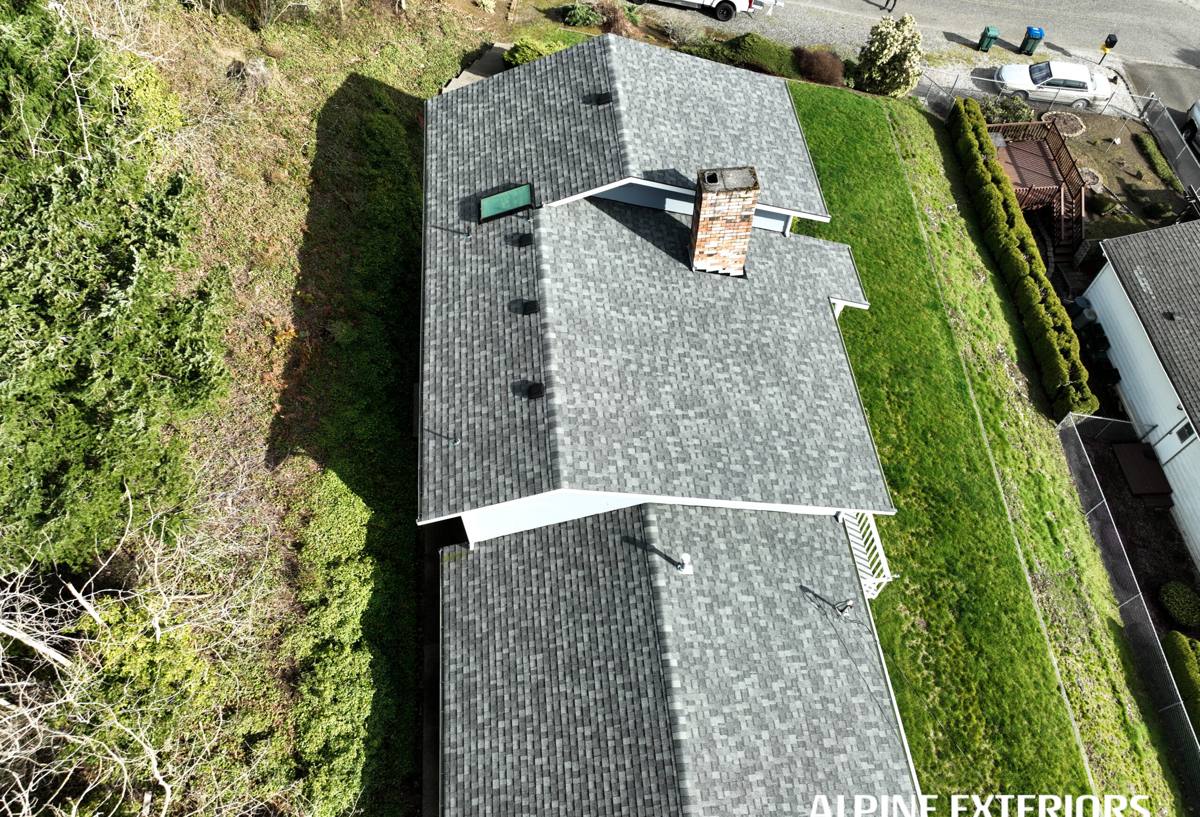
Why Sunnyland's Climate Is Harder on Roofs Than People Expect
Salt Air Corrosion
Even a mile or two inland from the bay, airborne salt settles on exposed metal and accelerates corrosion at fasteners, flashing seams, and cut edges. Untreated or poorly coated metal shows rust streaks and pitting years before it should. This is one of the main reasons material choice and coating quality matter more here than in a dry inland climate.
Driving Rain and Wind-Driven Moisture
Storms coming off the water don't just drop rain straight down - wind pushes it sideways and up under laps, ridge caps, and poorly sealed penetrations. A roof system that only handles vertical rainfall well will eventually leak here. Underlayment, fastener patterns, and panel overlap all need to account for wind-driven water, not just gravity.
Moss and Organic Growth
Shaded lots, tree cover, and near-constant moisture from fall through spring make Sunnyland prime moss territory. Moss holds water against roofing materials and, on older shingle roofs, works its way under tabs and rots decking. Metal roofing doesn't stop moss spores from landing, but it gives them almost nothing to grip and no organic material to feed on, which is a real advantage over asphalt in this specific setting.
Temperature Swings and Condensation
Whatcom County's temperature swings are mild compared to inland climates, but the combination of cool nights and humid air creates condensation risk inside unvented or poorly vented attics. Metal roofs conduct temperature changes quickly, so ventilation and vapor management matter more with metal than with shingles.
What a Correct Metal Roof Installation Actually Involves
A lot of roofing problems in this area trace back to installation shortcuts, not the metal itself. Here's what we consider non-negotiable on a Sunnyland job:
- Full tear-off and deck inspection - covering up rotten or soft decking with new metal just hides a problem until it's worse and more expensive.
- High-quality synthetic underlayment rated for the wind and moisture exposure this area sees, not a bargain-grade felt.
- Corrosion-resistant fasteners and flashing matched to the panel material, so you don't get galvanic corrosion where dissimilar metals touch.
- Proper overlap and sealed seams at every ridge, valley, and penetration - these are the spots where driving rain finds a way in.
- Balanced intake and exhaust ventilation to manage condensation inside the attic space.
- Ice-and-water shield or equivalent membrane at eaves, valleys, and any low-slope transitions.
Skipping any one of these doesn't necessarily cause an immediate failure - it just moves the failure date closer, usually to right after the workmanship warranty would have expired if there'd been one.
Choosing the Right Metal Roofing System for a Salt-Air Neighborhood
Not every metal roofing product is a good fit for a coastal-influenced climate like Sunnyland's. Here's how the common options compare on the factors that matter most here.
| Material | Corrosion Resistance Near Salt Air | Typical Lifespan Here | Maintenance Burden |
|---|---|---|---|
| Steel with quality paint/coating system | Good, if coating and cut edges are properly treated | 40-60 years | Low; periodic rinse of salt film recommended |
| Aluminum | Excellent - naturally resists salt corrosion | 40-60+ years | Low |
| Uncoated or poorly coated steel | Poor - prone to rust streaking and pitting near the bay | Highly variable, often shortened | Higher; touch-up and monitoring needed |
| Copper | Excellent, develops a protective patina | 50-100 years | Low, but higher upfront cost |
Our standard on Sunnyland projects is to steer homeowners toward quality-coated steel or aluminum systems from established manufacturers, because the coating and metal chemistry are what actually stand up to salt exposure over decades. We're honest about the trade-offs: aluminum and copper cost more upfront, and even a good steel system needs the coating specified correctly for this exposure zone. We won't put an unsuitable product on a roof just because it's cheaper - the maintenance and premature-replacement costs land on the homeowner later, not us.
Panel Style Considerations
Standing seam panels with concealed fasteners are generally the strongest choice against wind-driven rain because there are no exposed screw heads for water to work around over time. Exposed-fastener panel systems can still perform well and cost less, but they require more attention to fastener quality and periodic inspection, since every screw penetration is a potential leak point as washers age.
Our Process for a Sunnyland Metal Roof Project
1. On-Site Assessment
We walk the roof and attic, check current ventilation, look for existing moss or moisture damage, and evaluate the deck condition. Pitch, tree cover, and sun exposure all factor into our recommendation.
2. Straight Talk on Options
We explain the realistic material and panel choices for your specific roof, including honest cost ranges and what each option means for maintenance down the road. No pressure toward the most expensive system if it isn't the right fit for your house.
3. Tear-Off and Deck Repair
Old roofing comes off, decking gets inspected board by board, and anything soft or rotted is replaced before a single panel goes down.
4. Underlayment and Flashing First
This is the layer most homeowners never see and most cut-rate installers rush. We treat it as the actual waterproofing system, with the metal panels as the top layer of protection.
5. Panel Installation
Panels go on with manufacturer-specified fasteners and spacing, proper overlap, and sealed penetrations at every vent pipe, chimney, and skylight curb.
6. Final Walkthrough
We review the finished roof with you, explain any care recommendations specific to your site's tree cover or salt exposure, and make sure you know what a normal-wear roof looks like versus something worth calling us about.
Signs Your Sunnyland Roof May Already Be Struggling
- Moss buildup that keeps returning within a season or two of cleaning
- Dark streaking or rust-colored staining running down from fasteners or flashing
- Soft or spongy spots when walking the attic decking (a sign to call a professional immediately, not to walk further)
- Granule loss or curling on an existing shingle roof, especially on north-facing or shaded slopes
- Musty attic smell suggesting trapped moisture or inadequate ventilation
- Visible daylight through the roof deck at eaves or ridges
Any one of these is worth a professional look before it turns into a decking or interior water problem, which costs far more to fix than the roof itself.
Cost Factors for Metal Roofing in This Area
Every roof is different, but the main variables that move the price on a Sunnyland metal roofing project are consistent:
| Factor | Why It Matters Here |
|---|---|
| Roof pitch and complexity | Steeper or multi-plane roofs take longer to flash correctly and need more safety setup |
| Deck condition | Moisture and moss exposure over the years can mean hidden rot that adds repair cost once uncovered |
| Material choice | Aluminum and copper cost more than coated steel but resist salt corrosion better long-term |
| Panel style | Standing seam typically costs more than exposed-fastener panels but reduces long-term maintenance |
| Ventilation upgrades | Older Sunnyland homes often need added intake or exhaust venting to prevent condensation under new metal |
| Tear-off scope | Number of existing roofing layers affects labor and disposal cost |
We give real numbers after seeing the actual roof - broad promises over the phone aren't useful to you and we don't make them.
Why a Crew That Already Works in Sunnyland Matters
Metal roofing installed correctly for a dry inland climate isn't automatically correct for a neighborhood a short distance from Bellingham Bay. A crew that regularly works Fairhaven and the surrounding Whatcom County neighborhoods already knows which details matter here: the fastener and coating choices that hold up against salt air, the flashing details that keep driving rain out, and the ventilation setups that prevent condensation under a metal roof through our wet winters. That local pattern recognition - knowing which failure points show up again and again on roofs in this specific area - is worth more than a generic national installation checklist.
We also know which manufacturers stand behind their coatings in a marine-influenced climate and which warranty terms actually apply to a coastal exposure zone versus a general inland warranty. That's information that only becomes obvious after seeing enough local roofs age through a few Whatcom County winters.
Get a Straight Answer on Your Roof
If you're weighing a metal roof for a home in Sunnyland, we're happy to take a look and give you an honest read on your options - what your roof actually needs, what it doesn't, and a real cost range to plan around. Fill out the form below for a free, no-pressure estimate.