 Fairhaven Siding
 Silver Beach Sits in a Tough Spot for Siding
Silver Beach is one of the older, tree-shaded neighborhoods on Bellingham's south side, close enough to Fairhaven and Bellingham Bay that the marine air reaches every wall of every house here. Add in mature tree canopy, sloped lots, and long stretches of overcast, damp weather, and you get a neighborhood where siding works harder than it does in drier parts of Whatcom County. Homes here don't just get rained on — they stay wet longer, get less direct sun to dry out, and pick up salt-laden air off the water. That combination is exactly what wears out the wrong siding material years before it should fail.
This page is about one thing: what it actually takes to put correct, long-lasting fiber cement siding on a Silver Beach home, and why the climate here makes the material and the installation details matter more than they would somewhere inland and dry.
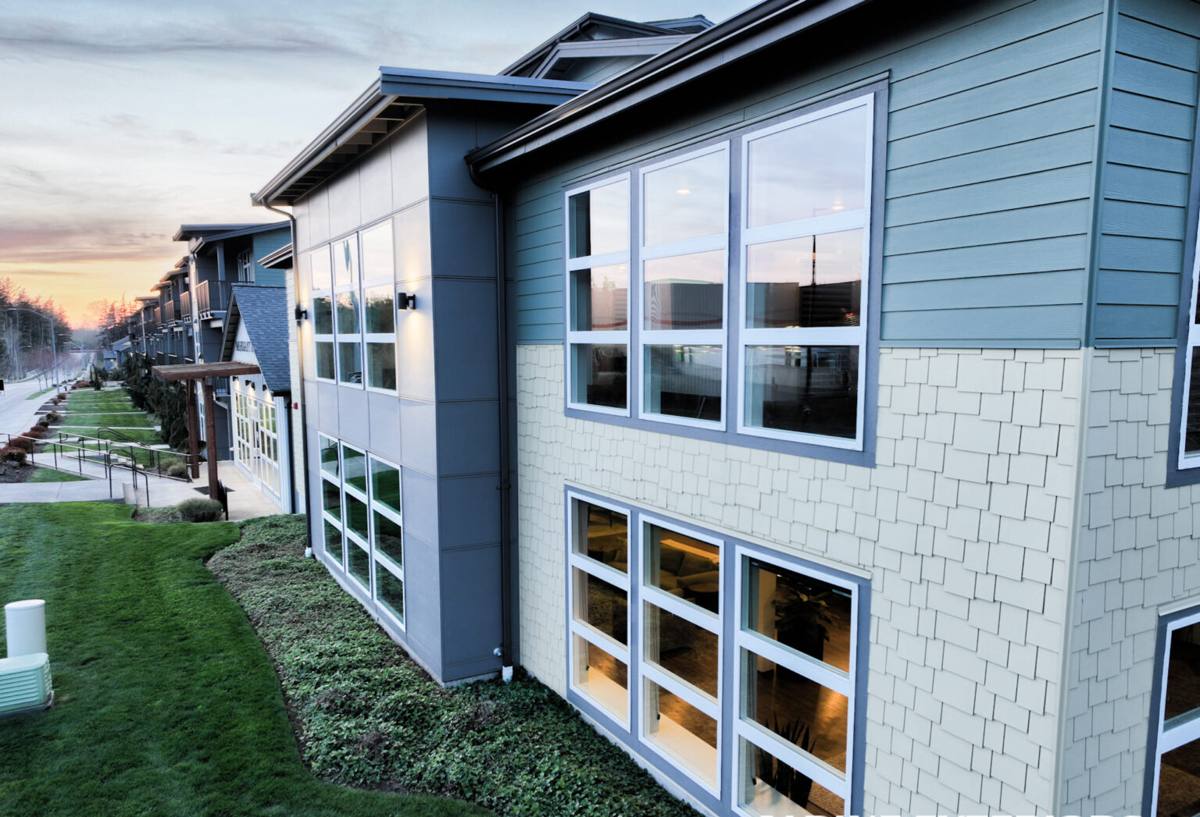
What the Local Climate Does to Siding Over Time
Salt Air and Driving Rain
Bellingham Bay puts a fine mist of salt-laden moisture into the air that settles on every exterior surface nearby, including Silver Beach. Salt air accelerates corrosion on anything metal — fasteners, flashing, trim screws — and it keeps painted and coated surfaces slightly damp more often than a drier climate would. Combine that with the driving, wind-pushed rain that comes through Whatcom County in fall and winter storms, and siding on this side of Bellingham takes on moisture from more directions than a simple straight-down rain would suggest. Wall assemblies need to shed that water fast and keep it from finding a way behind the cladding.
The Long Moss Season
Shaded, damp, and cool for much of the year — that's moss weather, and Silver Beach has plenty of it. Moss and algae don't just look bad on siding; they hold moisture directly against the surface for weeks at a time, which is hard on any material that isn't dimensionally stable or that can absorb water into its core. North-facing walls, areas under eaves with poor airflow, and anything close to overhanging trees see the worst of it. A siding product that swells, delaminates, or feeds mold growth when it stays damp is a poor match for this kind of exposure.
Why Fiber Cement Is the Right Match for This Neighborhood
Fiber cement siding is made from cement, sand, and cellulose fiber, pressed and cured into a rigid, dimensionally stable board. It doesn't absorb water the way wood-based products do, it won't feed mold or rot, and it's non-combustible — a real advantage during Washington's increasingly active wildfire smoke and ember seasons, even in a coastal town like Fairhaven. Because it holds its shape in wet-dry cycling, it's far less prone to the swelling, cupping, and edge failure that plague wood-based composite siding in a climate that rarely gets a long, dry stretch to fully dry out.
We install James Hardie fiber cement exclusively, for one main reason: Hardie engineers its siding by climate zone. Western Washington, including Whatcom County, falls into Hardie's wetter, milder HardieZone (HZ10) engineering category, meaning the boards are formulated for regions that see more moisture and fewer hard freezes rather than regions with heavy freeze-thaw cycling. That's a better technical match for Silver Beach than a one-size-fits-all fiber cement product. On top of that, Hardie's ColorPlus finish is baked on in a factory-controlled process, which holds color and resists the fading and chalking that salt air and UV exposure cause in field-applied paint over time.
What a Correct Installation Actually Involves
Fiber cement is only as good as its installation. In a climate like this one, a handful of details separate siding that lasts 30-plus years from siding that develops moisture problems in under a decade.
- Proper clearance between the siding's bottom edge and the roofline, deck surfaces, and grade — Hardie specifies minimum gaps precisely because tight clearances trap moisture and invite rot in the sheathing behind the siding.
- A drainage plane or rainscreen behind the cladding, so any water that gets past the siding has a path to drain and dry instead of sitting against the wall assembly.
- Corrosion-resistant fasteners — stainless steel or hot-dip galvanized — since standard fasteners corrode faster in salt-influenced air and can streak or fail over time.
- Correct fastener placement and spacing per Hardie's installation instructions, not "close enough" — under- or over-driven nails compromise the board's ability to move slightly with temperature and humidity changes.
- Flashing at every window, door, and horizontal trim transition, lapped correctly so water is directed out and away rather than behind the siding.
- Factory-cut or properly sealed field cuts, since exposed raw edges are the one part of fiber cement that can take on water if left untreated.
None of this is exotic. It's just detail work that has to be done right every time, especially on a home that's going to sit in damp shade for months of the year.
Fiber Cement vs. Other Common Siding Options
Homeowners in Silver Beach often ask how fiber cement stacks up against the other materials they see around Fairhaven and Bellingham. Here's an honest comparison based on how each performs in this specific climate:
| Material | Moisture Behavior in a Wet, Shaded Climate | Maintenance | Fire Resistance | Typical Lifespan Here |
|---|---|---|---|---|
| James Hardie fiber cement | Dimensionally stable; doesn't swell or rot when it stays damp | Occasional wash to clear moss/algae; factory finish holds up | Non-combustible | 30+ years with correct install |
| Vinyl siding | Won't rot, but can warp, buckle, or fade with prolonged sun/temperature swings | Low, but panels can crack or fade unevenly over time | Combustible, can melt/deform near heat | 15-25 years |
| LP SmartSide / engineered wood | Wood-based core is vulnerable at cut edges and joints if moisture gets in | Requires diligent caulking/paint upkeep, especially at seams | Combustible | Variable; edge failure is the common issue in wet climates |
| Cedar / primed wood siding | Absorbs moisture readily; prone to rot and moss growth in shaded, damp spots | Regular painting/staining and moss treatment needed | Combustible | 15-25 years depending on upkeep |
This isn't a claim that every alternative product fails — it's why we've standardized on one system we can install to spec and stand behind, rather than juggling multiple products with different moisture behaviors and warranty terms.
How We Approach a Silver Beach Project
- Site walk and assessment. We look at sun exposure, tree cover, drainage patterns, and the condition of the existing siding and sheathing before quoting anything.
- Tear-off and sheathing inspection. Any water damage or soft sheathing found underneath the old siding gets addressed before new material goes up — covering a problem is not an option.
- Weather-resistive barrier and drainage plane. We install a proper moisture management layer suited to the wall's exposure, particularly on shaded or north-facing sides.
- Fastening and flashing to Hardie's specification. Corrosion-resistant fasteners, correct nailing pattern, and flashing at every penetration and transition.
- Final inspection. We check clearances, caulk joints where specified, and confirm the finished wall will shed water the way it's designed to.
Why Local Experience in This Neighborhood Matters
Siding installation isn't identical from one Whatcom County neighborhood to the next. A crew that regularly works in Silver Beach knows which walls sit in shade most of the day, where moss tends to establish first, and how much more attention flashing and clearance details need on a lot with heavy tree cover versus one with open sun. That local pattern recognition doesn't replace following manufacturer specifications — it adds to it, helping us catch the spots on a given home that are most likely to cause trouble years down the road if they're not handled correctly the first time.
It also means we're not guessing at permitting or working blind on older Bellingham-area homes with quirks in their original construction. Familiarity with the neighborhood's housing stock speeds up the assessment phase and reduces surprises once tear-off starts.
Questions to Ask Before You Hire
- Will fasteners be stainless steel or hot-dip galvanized, given the salt air here?
- What clearance will be maintained between the siding and grade, roofline, and decks?
- Is a drainage plane or rainscreen part of the installation?
- Will the crew inspect and address any sheathing damage found during tear-off, or just cover it?
- Is the product genuine James Hardie, and what does the warranty actually cover — material only, or labor too?
If you're weighing a siding project on a Silver Beach home, we're happy to take a look and walk you through what we'd recommend and why. Reach out for a free, no-pressure estimate — there's a form right below to get started.