 Fairhaven Siding
 Downtown Bellingham Roofs Work Harder Than People Realize
Downtown Bellingham sits close enough to the water and open enough to the weather that its roofs take a steady, cumulative beating most homeowners don't fully clock until they're standing in an attic looking at a water stain. You've got salt-laden air drifting in off Bellingham Bay, wind-driven rain that doesn't fall straight down the way it does in drier climates, and a moss season that runs long, sometimes eight or nine months out of the year in shaded, north-facing exposures common to the older housing stock downtown. None of that is dramatic on its own. It's the combination, applied year after year, that shortens a roof's usable life if it wasn't built or replaced correctly the first time.
A new roof installation in this part of Whatcom County isn't just about swapping old shingles for new ones. It's about building an assembly — decking, underlayment, flashing, ventilation, and the finish material — that's specifically suited to hold up against salt exposure, sustained moisture, and moss pressure without needing constant babying. That's the standard we hold every Downtown Bellingham roof to.
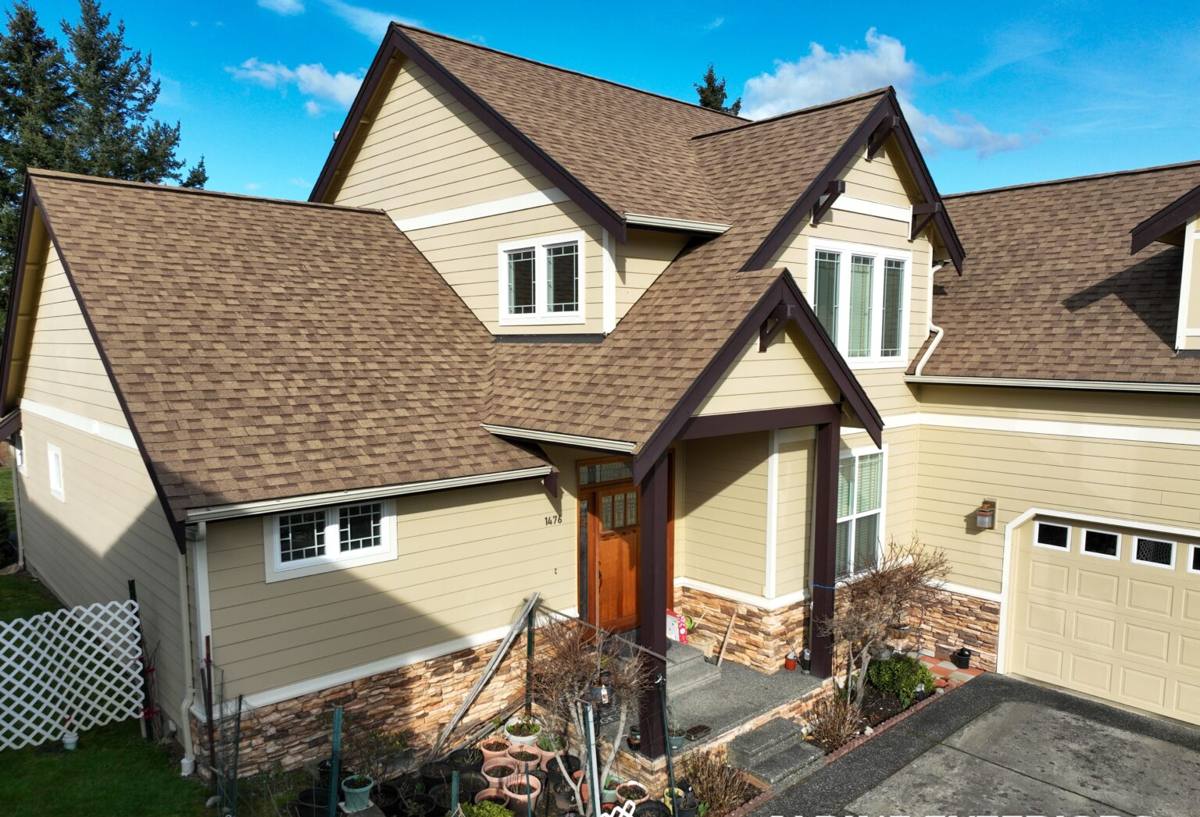
Signs a Repair Won't Cut It Anymore
Not every roof problem downtown means a full replacement. But there are clear signals that patching is just delaying an inevitable, more expensive failure:
- Shingles that are cupping, curling, or losing granules in large patches rather than isolated spots
- Moss or algae staining that returns within a season or two of cleaning, especially on north- and west-facing slopes
- Soft or spongy decking felt underfoot during an inspection — a sign moisture has already reached the sheathing
- Daylight visible through the roof deck from inside the attic, or consistent staining around vents and chimneys
- A roof that's already at or past the manufacturer's expected service life for its material and exposure
- Multiple past repairs in different areas of the same roof — a pattern that usually means the underlying materials are failing broadly, not locally
If you're seeing two or more of these, it's worth having a straightforward inspection rather than continuing to chase leaks one at a time.
What a Correct Roof Replacement Actually Involves
A roof replacement is a system, not a single product. Every layer has a job, and skipping or shortcutting one shows up as a problem two, five, or ten years later — usually right when it's most expensive to fix.
Tear-Off and Deck Inspection
We remove the old roofing down to the deck rather than layering over it. Layering hides problems and adds weight the structure wasn't designed to carry. Once the deck is exposed, we check every sheet of plywood or OSB for soft spots, delamination, or rot — especially around old flashing points and valleys, where slow leaks tend to concentrate. Any damaged decking gets replaced before anything new goes down; installing new roofing over a compromised deck just resets the clock on the same failure.
Underlayment
This is the layer that actually keeps water out if wind ever drives rain up under the shingles — a real possibility during the region's stronger winter storms. We use synthetic or self-adhered underlayment appropriate to the slope and exposure, with extra ice-and-water-shield-type protection at eaves, valleys, and around penetrations, where the majority of leaks originate.
Flashing
Flashing around chimneys, skylights, vent pipes, and wall intersections is where most roof leaks actually start — not in the open field of shingles. We install new flashing rather than reusing old pieces, and we pay particular attention to step flashing at sidewalls, which is one of the most commonly rushed details on lower-cost roof jobs.
Ventilation
Proper intake and exhaust ventilation keeps the attic space at a consistent temperature and moisture level. Without it, condensation builds up on the underside of the deck — especially in a marine climate like ours — which rots sheathing from the inside and voids most manufacturer warranties. We size and balance ventilation to the specific roof, not a one-size-fits-all vent count.
Finish Material
The visible layer — shingles, metal, or another finish — goes on last, installed to the manufacturer's nailing pattern and exposure specs, not a shortcut pattern that speeds up the job at the cost of wind resistance.
Material Choices for Whatcom County's Climate
There's no single "best" roofing material — the right choice depends on your home's age, roof pitch, budget, and how much long-term maintenance you're willing to take on. Here's an honest comparison of what we typically install in Downtown Bellingham and Fairhaven:
| Material | Typical Lifespan | Moss/Moisture Behavior | Maintenance |
|---|---|---|---|
| Architectural asphalt shingle | 25–30 years | Good with proper ventilation; benefits from periodic moss treatment | Low to moderate |
| Standing seam metal | 40–50+ years | Sheds moisture and moss far better than shingles due to smooth, sloped panels | Low |
| Synthetic/composite shake | 30–50 years | Resists moisture absorption; performs well in damp, shaded exposures | Low |
| Cedar shake (wood) | 20–30 years with upkeep | Absorbs moisture; requires regular treatment to resist rot and moss in our climate | High |
We're candid with clients about that last row. Cedar shake has a genuine visual appeal and a place on certain historic-style homes, but in a climate with this much sustained dampness and moss pressure, it demands a maintenance commitment — regular cleaning, treatment, and vigilant repair — that a lot of homeowners underestimate going in. If you want that look without the upkeep, synthetic shake products have closed most of that gap in appearance while handling our moisture far better.
Cost Factors Homeowners Should Understand
Roof replacement pricing varies widely based on real, specific factors — not just square footage. Rather than quote a number that won't mean much without context, here's what actually moves the price on a Downtown Bellingham home:
| Factor | Why It Matters |
|---|---|
| Roof pitch and complexity | Steep or multi-plane roofs take longer, require more safety setup, and generate more waste material |
| Deck condition | Rotted or delaminated sheathing found during tear-off adds material and labor not visible in a surface estimate |
| Layers being removed | Homes with multiple old roofing layers cost more to tear off and dispose of |
| Material selected | Metal and composite products cost more upfront than asphalt but last considerably longer |
| Access and staging | Downtown lots with limited driveway space or tight setbacks can add time for material staging and dumpster placement |
| Ventilation and flashing needs | Older homes often need ventilation upgrades or flashing rebuilt to current standards, not just replaced in kind |
We walk every roof and give a written estimate that accounts for these specifics rather than a generic per-square number — the goal is a quote you can actually trust once the work starts.
Our Process, Start to Finish
- Inspection and estimate. We walk the roof and attic, document condition, and give you a written scope and price — no pressure, no upsell script.
- Material selection. We go over the tradeoffs above in plain terms so you pick based on your budget and how much upkeep you want, not just what looks good in a brochure.
- Permitting. We handle the local permit process so you don't have to track it down yourself.
- Tear-off and deck repair. Old roofing comes off, the deck gets inspected and repaired as needed, and damaged material is disposed of properly.
- Underlayment, flashing, and ventilation installed to spec. This is the part of the job that doesn't show once it's finished but determines how long the roof actually lasts.
- Finish material installed to manufacturer nailing and exposure requirements.
- Final walkthrough and cleanup. We do a magnetic sweep for stray nails, clear debris, and walk the finished roof with you before calling the job done.
Why a Crew That Already Works Downtown Bellingham Matters
Roofing crews that only occasionally work this part of Whatcom County tend to treat every roof the same way, regardless of exposure. A crew that works Downtown Bellingham and Fairhaven regularly knows which slopes on which street orientations hold moss longest, which older homes tend to have undersized original ventilation, and which flashing details get missed most often on houses of a certain age. That familiarity doesn't replace a proper inspection, but it does mean fewer surprises and a scope of work that's realistic from the first estimate — not one that grows once the tear-off starts.
It also matters for scheduling. Local crews aren't driving in from out of the county, which means less lost time to travel and more flexibility if weather pushes a start date, which it will at some point in a climate like ours.
Roof Replacement Checklist for Downtown Bellingham Homeowners
- Get a written estimate that includes deck inspection, underlayment type, flashing scope, and ventilation — not just "shingles and labor"
- Confirm the contractor pulls the required permit rather than skipping it
- Ask what happens if rotted decking is found during tear-off, and how that's priced
- Compare material options against your specific roof's shade exposure and moss history, not just cost per square
- Verify ventilation will be assessed and corrected if undersized, not just matched to the old count
- Ask about manufacturer warranty terms and what voids them — improper ventilation is a common one
- Get a timeline that accounts for our wetter months, since exposed decking needs dry, workable conditions
Timing the Job Around Bellingham's Weather
Most roof replacements here go smoothly in a single multi-day window when scheduled during drier stretches, but crews working this climate build in realistic buffer for rain delays rather than promising a hard date they can't guarantee. Once decking is exposed, we take precautions to keep it dry between stages, but the honest answer is that a job started in a settled weather window moves faster and cleaner than one squeezed in during a wet spell. If you're planning ahead, late spring through early fall tends to offer the most predictable stretches, though we do quality replacements year-round when conditions allow.
If your roof is showing its age, or you'd rather get ahead of a problem than react to one, we're happy to walk it with you. A free, no-pressure estimate from a crew that works this neighborhood regularly is a straightforward way to find out exactly where you stand — use the form below to get started.