 Fairhaven Siding
 Building Decks for Marietta's Waterside Climate
Marietta sits close to the water, on the kind of flat, exposed ground where weather has nowhere to go but straight at your house. Homes here take on salt-laden air off the bay, long stretches of driving rain, and the low winter sun angle that lets moss creep across anything that stays damp and shaded for more than a few weeks at a time. A deck built without that reality in mind will look fine for a year or two and then start showing problems — soft spots, black streaking, corroding hardware, boards that cup and split. A deck built for it will still be doing its job a decade later.
We build and repair decks throughout the Fairhaven area, and Marietta jobs get treated as their own category, not a copy-paste of what works inland. The framing, fastener choices, and drainage details all shift a little when a deck sits closer to open water and gets more direct exposure to salt spray and wind-driven rain.
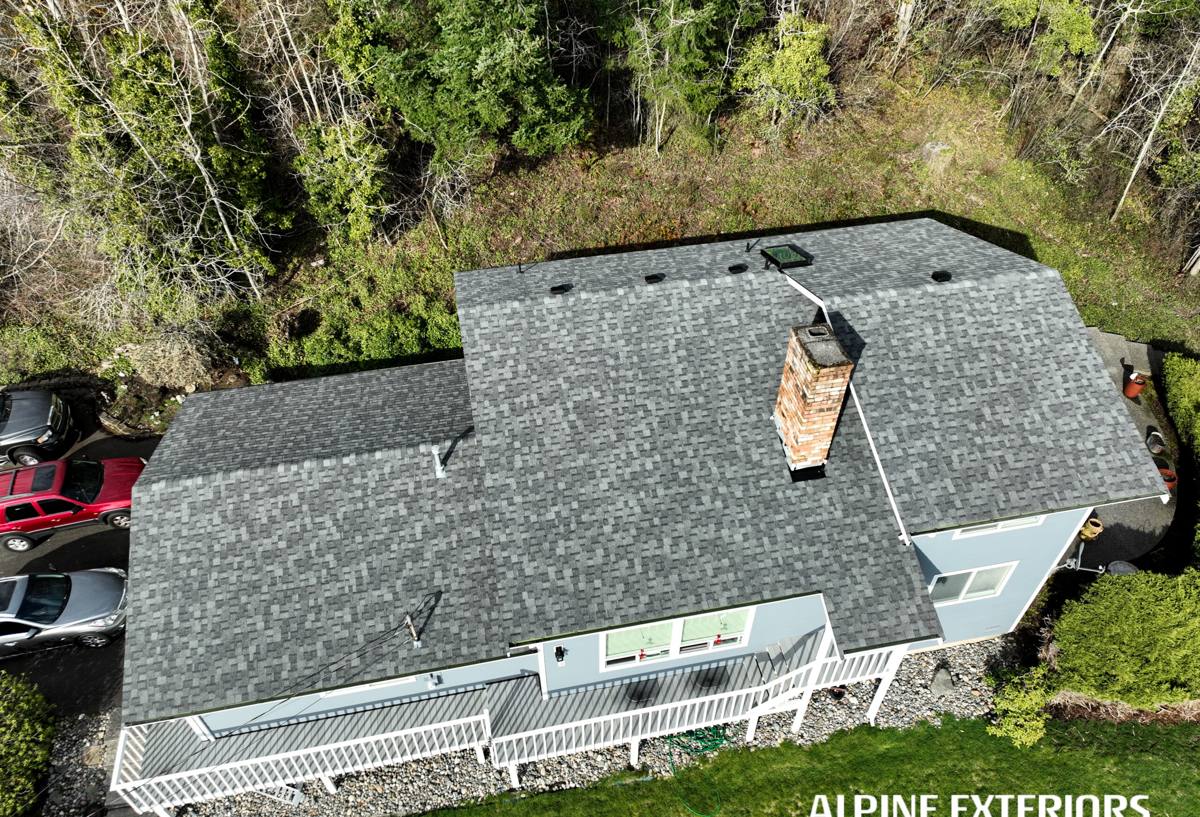
What This Climate Actually Does to a Deck
It helps to know what you're up against before you pick materials or a contractor. Three things do most of the damage to decks in this part of Whatcom County:
Salt Air
Salt in the air accelerates corrosion on anything metal — nails, screws, joist hangers, railing brackets. Standard hardware can start rusting within a season or two this close to the water. Once a fastener corrodes, it loses grip strength long before it looks bad enough to notice from the surface.
Driving Rain
This isn't gentle, straight-down rain. Wind pushes it sideways, which means it gets under railings, into end grain, and behind ledger boards if the flashing isn't done right. Most rot failures we see start at a handful of predictable spots: the ledger board where the deck meets the house, stair stringers where they meet grade, and any spot where two boards butt together without a gap.
Moss and Shade
A long, mild, wet season means moss and algae get a real foothold, especially on the north side of a house or under trees where a deck surface never fully dries out. Moss holds moisture against the wood surface and turns a deck slick and dangerous underfoot, on top of accelerating surface decay.
None of this means a deck can't hold up here — it means the design, materials, and installation details have to account for it from the start rather than trying to fix it later.
Choosing Decking Material for This Location
There's no single "best" decking material — there's a best fit for your budget, your maintenance appetite, and how exposed your specific lot is. Here's how the common options actually perform in a salt-air, high-rain environment:
| Material | Moisture Behavior | Maintenance | Typical Lifespan Here |
|---|---|---|---|
| Pressure-treated pine | Prone to cupping and checking if not sealed regularly | Re-seal every 1-2 years | 10-15 years |
| Cedar | Naturally rot-resistant, still needs sealing against driving rain | Re-seal or stain every 1-2 years | 15-20 years |
| Composite (capped) | Doesn't absorb water or rot; needs periodic cleaning where moss can gain a foothold | Occasional wash, no sealing | 25+ years |
| PVC decking | Fully moisture-immune, most consistent performance in wet, salty air | Occasional wash | 25-30+ years |
We don't push one product on every job. A cedar deck under a covered porch that stays mostly dry can perform beautifully for years with basic upkeep. That same cedar out in the open, taking full sun and full rain, is a much bigger maintenance commitment. Our job is to walk your specific site with you and match the material to how exposed it really is — not to how exposed the sales brochure assumes it is.
A Note on Composite and PVC
Capped composite and PVC decking have gotten a lot of attention because they resist rot and don't need staining. That's a real advantage in this climate. The trade-off is upfront cost and the fact that not all composite is created equal — cheaper, uncapped boards can still absorb moisture at the core and swell over time. When we spec composite, we stick to fully capped products specifically because of how much rain this area sees.
What's Underneath Matters More Than the Surface
The decking boards are the part everyone looks at, but the framing underneath is what determines whether the deck is actually safe and long-lived. This is where corners get cut on cheap jobs, and it's the part a homeowner can't easily inspect once the deck is finished.
- Footings: Sized and set below frost depth and rated for the actual load of the structure, not just eyeballed to "probably enough."
- Ledger board flashing: Properly flashed where the deck attaches to the house, so wind-driven rain can't work its way behind the band board and into the wall framing.
- Joist protection: Joist tape or equivalent moisture barrier on top of every joist, so standing water under the decking boards doesn't sit directly on bare framing lumber.
- Fasteners and hardware: Stainless steel or heavy hot-dip galvanized hardware rated for coastal exposure — not the generic hardware bin option.
- Drainage and airflow: Enough slope and ventilation underneath that the space can actually dry out between rain events instead of staying permanently damp.
Every one of those items costs more upfront than the shortcut version. Every one of them is also the difference between a deck that needs major repair in year eight and one that's still solid in year twenty-five.
Our Deck Building Process
1. Site Walk and Design
We look at sun exposure, prevailing wind and rain direction, drainage on the lot, and how sheltered or exposed the deck location actually is. That assessment drives the material and hardware recommendations — it's not a generic questionnaire.
2. Permitting
Deck projects typically require a permit through the local building department, and requirements can vary depending on deck height, size, and how close the lot is to water or a setback line. We handle the permit process as part of the job so you're not left tracking it down yourself.
3. Framing and Structure
Footings, posts, beams, and joists go in to code, with the moisture-management details above built in from the start rather than treated as extras.
4. Decking, Railings, and Stairs
Surface material is installed with proper gapping for drainage and expansion, and all railing posts are through-bolted rather than just lag-screwed into rim joists — a detail that matters a lot for long-term railing stability in a spot with regular wind.
5. Final Walkthrough
We go over the finished deck with you, including what maintenance it actually needs and on what schedule, so there are no surprises down the road.
Railings, Hardware, and the Details That Fail First
When a deck has a problem, it's rarely the big flat boards that fail first — it's the connections. Loose railings, corroded joist hangers, and stair stringers that have started to rot at ground contact are the most common issues we get called out for on older decks in this area. Using corrosion-resistant fasteners throughout, and keeping any wood-to-ground contact points treated and slightly elevated off grade, prevents most of these failures before they start.
Keeping a Deck in Good Shape Once It's Built
Even the best-built deck needs some seasonal attention in a climate like this. None of it is complicated, but skipping it is how small issues turn into structural ones.
- Sweep debris and standing water off the surface regularly, especially in fall and winter when leaves and needles pile up in corners.
- Rinse off moss and algae growth before it gets established — a stiff brush and mild cleaner is usually enough if caught early.
- Check railing posts and stair connections once a year for any looseness or give.
- Reseal or restain wood decking on the schedule appropriate to that species — don't wait until it's visibly gray and dry.
- Keep gutters and downspouts near the deck clear so runoff isn't dumping extra water directly onto or under the deck structure.
- Look underneath the deck once a year for signs of standing water, dampness, or early rot around posts and ledger connections.
Permits, Setbacks, and Local Rules
Because Marietta sits close to the water, some projects may fall under additional review related to shoreline or setback rules on top of standard building permit requirements. This varies by exact lot location, so it's worth having a contractor who pulls permits in Whatcom County regularly and knows what documentation the local building department typically wants to see before work starts. We handle this as part of every deck project rather than leaving homeowners to sort out permitting on their own.
Why Local Experience on This Specific Job Matters
A deck built for a dry inland lot and a deck built a few hundred yards from open water are not the same project, even if the blueprint looks identical. The hardware spec is different. The flashing detail at the ledger board is more critical. The material recommendation changes based on how much direct rain and salt exposure the spot actually gets. A crew that already works in Marietta has seen which decks in this exact setting hold up and which ones don't, and builds accordingly instead of learning that lesson on your project.
If you're planning a new deck, replacing an aging one, or just want an honest read on whether your current deck's framing is still sound, we're happy to take a look. Reach out for a free, no-pressure estimate — we'll walk the site, talk through material options that fit your budget and your lot's actual exposure, and give you a straight answer, using the form below.