 Fairhaven Siding
 Roof Repair Built for Columbia's Coastal Conditions
Homes in the Columbia area sit close enough to Bellingham Bay that salt-laden air, wind-driven rain, and a long, damp moss season all show up on the roof before they show up anywhere else on the house. A roof repair here isn't the same job as a repair in a dry inland climate. The materials, the fastener choices, and the order of operations all need to account for moisture that rarely fully lets up between October and June. We repair roofs in this neighborhood regularly, and this page walks through what that actually involves — not a generic list of services, but the specifics of what a correct repair looks like on a Columbia-area roof.
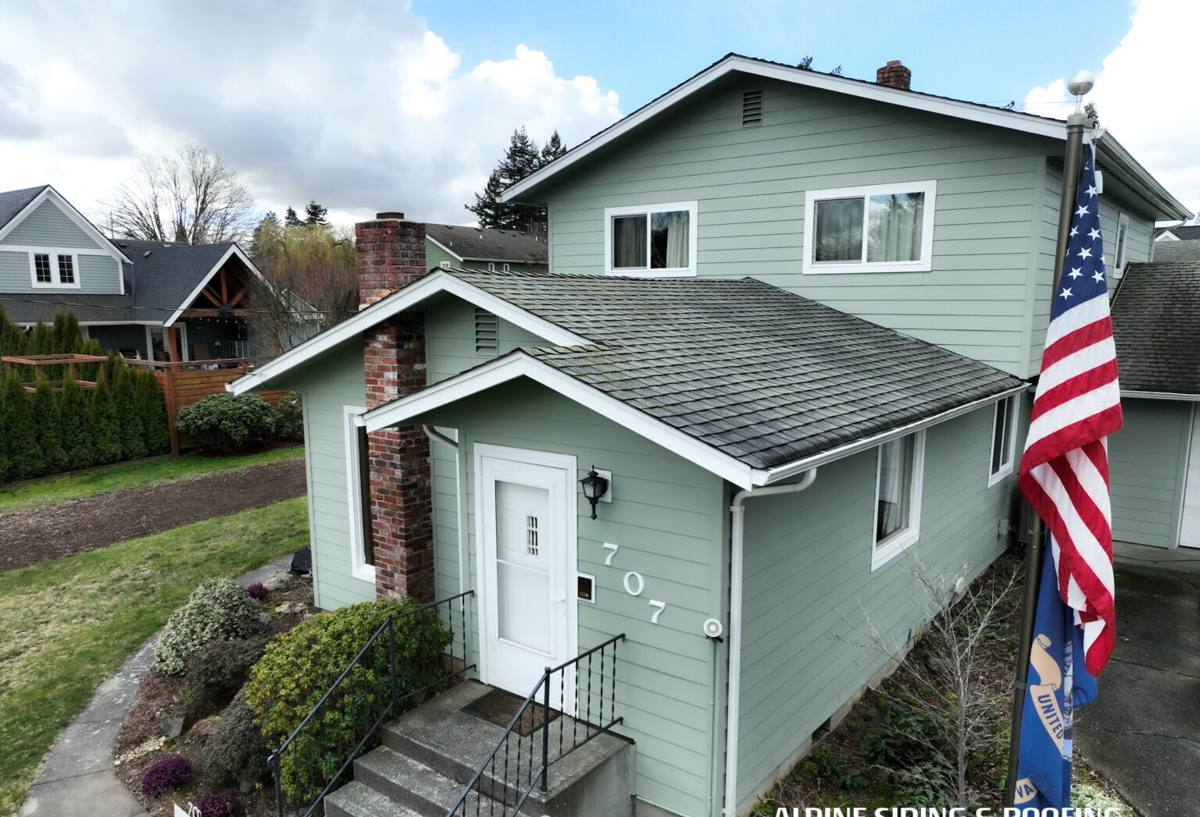
What Whatcom County's Climate Does to a Roof
Fairhaven and the surrounding Columbia neighborhood get a combination of conditions that's tougher on roofing than most homeowners realize until something starts leaking.
Salt Air and Corrosion
Proximity to the bay means airborne salt settles on roofing materials and metal components over time. Exposed fasteners, flashing, and vent components that aren't rated for coastal exposure corrode faster here than they would twenty miles inland. A repair that reuses corroded fasteners or standard-grade flashing is a repair that fails again within a few years.
Driving Rain and Wind-Driven Water
Storms coming off the water don't just fall straight down — they push rain sideways under shingle edges, around chimney flashing, and into any gap where a roof plane meets a wall or penetration. Most of the leaks we get called out for in Columbia aren't from a hole in the field of the roof; they're from flashing, valleys, and transitions that were never detailed to handle wind-driven moisture in the first place.
Moss and a Long Wet Season
North-facing slopes and shaded roof sections in this area can stay damp for weeks at a stretch. That's exactly what moss needs to establish. Once moss takes hold, it lifts shingle edges, traps moisture against the roof deck, and accelerates granule loss — turning a roof that should last another decade into one that needs repair years ahead of schedule.
Signs a Columbia Home Needs Roof Repair
Because so much roof damage here starts at flashing, valleys, and moss-affected areas rather than obvious holes, the warning signs are often subtle. Watch for:
- Water stains on interior ceilings, especially near chimneys, skylights, or where a roofline meets a wall
- Moss or dark streaking concentrated on shaded or north-facing roof sections
- Shingles that look cupped, curled, or lifted at the edges
- Granules collecting in gutters or at downspout outlets
- Rusted, discolored, or loose flashing around vents, chimneys, and skylights
- Sagging in the roofline or soft spots felt underfoot in the attic
- Daylight visible through the roof deck from inside the attic
- Consistently damp or musty smell in upper rooms after storms
Any one of these is worth a look. Several together usually means water has already been getting in for a while.
Common Repair Types We Handle
Not every roof problem calls for the same fix. The table below covers the repairs we see most often on Columbia-area homes, what typically causes them, and the general scope involved.
| Repair Type | Common Local Cause | Typical Scope |
|---|---|---|
| Flashing repair/replacement | Wind-driven rain working under corroded or poorly sealed flashing | Remove and replace flashing at chimneys, valleys, skylights, or wall transitions |
| Moss remediation and shingle repair | Extended damp season on shaded slopes | Moss removal, damaged shingle replacement, treatment to slow regrowth |
| Valley repair | Concentrated water flow overwhelming aged or undersized valley material | Re-line or replace valley metal/membrane, reset adjacent shingles |
| Vent and penetration seals | Cracked boots or corroded collars around plumbing and roof vents | Replace boots/seals, inspect surrounding shingles for water travel |
| Wind and storm damage | Gusts off the bay lifting or tearing shingle edges | Replace missing/torn shingles, re-secure lifted edges, check underlayment exposure |
| Deck repair | Long-term moisture intrusion softening the plywood or plank substrate | Cut out and replace affected decking before reroofing that section |
Our Roof Repair Process
A repair that only addresses the visible symptom tends to come back. Our process is built to find the actual water path, not just patch where it surfaced.
1. Full Roof Inspection
We inspect the whole roof, not just the spot where the leak showed up inside. Given how far wind-driven water can travel under shingles before it drips somewhere visible, the entry point and the stain are often in different places entirely.
2. Diagnosis Before Repair
Before any material comes off the roof, we identify the actual cause — corroded flashing, moss-lifted shingles, a failed vent boot, degraded decking — and explain it in plain terms, along with what's involved in fixing it correctly.
3. The Repair Itself
We use materials and fasteners suited to coastal exposure, correct the flashing or shingle detail so it can shed wind-driven rain the way it's supposed to, and address any moss or moisture damage in the surrounding area rather than just the failure point.
4. Cleanup and Documentation
We clear debris and old material from the property and walk you through what was done and why, including anything worth keeping an eye on going forward.
Repair vs. Replacement: How We Help You Decide
Not every roof problem in Columbia needs a full replacement, but not every roof is a good candidate for another round of patching either. We look at a combination of factors before making a recommendation.
| Factor | Leans Toward Repair | Leans Toward Replacement |
|---|---|---|
| Roof age | Well within expected lifespan for the material | At or past the material's typical service life |
| Extent of damage | Isolated to one area (flashing, a valley, a vent) | Widespread granule loss, curling, or moss damage across multiple slopes |
| Decking condition | Solid, no soft spots | Soft, delaminated, or repeatedly wet decking |
| Repair history | First or infrequent repair | Recurring leaks in different spots over recent years |
| Underlying causes | A single identifiable cause that can be corrected | Systemic moisture exposure tied to the roof's age or original installation |
We'll always give you a straight answer on which side of this a given roof falls on, along with the reasoning, rather than defaulting to whichever option is bigger.
Materials We Use for Coastal Repairs
Because standard-grade materials underperform this close to the bay, we prioritize corrosion-resistant flashing and fasteners rated for coastal exposure over cheaper alternatives that look the same on the day they're installed. For shingle repairs, we match materials as closely as possible to the existing roof and pay particular attention to how the repaired section will drain, since a patch that doesn't account for water flow across the whole roof plane can create a new problem even after it solves the old one. Where moss has been a recurring issue, we'll talk through options like zinc or copper strips as a preventive measure, since these release trace metals that discourage regrowth on the slopes below them.
Maintenance That Extends the Life of a Repair
A quality repair still needs some upkeep in this climate to get its full service life out of it. Homeowners in Columbia get the most out of their roofs by staying ahead of a few recurring issues:
- Clearing gutters and downspouts each fall so water isn't backing up under the roof edge during winter storms
- Removing moss and debris from shaded slopes before it has a chance to establish
- Trimming back overhanging branches that keep sections of the roof damp and shaded
- Having flashing and vent seals checked periodically, since these are the components most affected by salt air exposure
- Addressing small leaks promptly rather than waiting, since wind-driven water spreads damage well beyond the original entry point
Why It Matters to Hire a Crew That Already Works in Columbia
A roofer who mostly works drier, inland areas can still do competent work, but they're less likely to instinctively check the coastal-specific failure points first — the corroded fastener, the moss-shaded valley, the flashing detail that's fine in a calm rain but fails in a sideways one. Crews who repair roofs in Fairhaven and the Columbia area regularly know which parts of a roof tend to fail first in this climate and design repairs to hold up against it, not just against an average storm. That local pattern recognition is often the difference between a repair that lasts and one that's back on the schedule in two years.
Get a Free, No-Pressure Estimate
If you're seeing water stains, moss buildup, or storm damage on your Columbia-area roof, it's worth getting a straight assessment before the next round of Whatcom County rain finds its way further in. We offer free, no-pressure estimates and will tell you honestly whether you're looking at a repair or something bigger — use the form below to get started.