 Fairhaven Siding
 Roofing in Downtown Bellingham: A Different Set of Problems
Downtown Bellingham roofs don't fail the way roofs fail in drier parts of the state. The combination of salt-laden air off Bellingham Bay, long stretches of driving rain through fall and winter, and a moss season that can run eight months or more puts a specific kind of stress on a roof system. It's not one big storm that does the damage — it's the slow, steady work of moisture and organic growth finding every weak point in a roof over years.
A roof replacement here has to be built for that reality, not just for code minimums. That means paying close attention to ventilation, flashing details, underlayment quality, and the site conditions of an in-city lot — mature trees, tight setbacks, and homes packed closer together than you'd find out in the county. We replace roofs specifically with these conditions in mind, because a roof designed for a drier, more open site won't hold up the same way here.
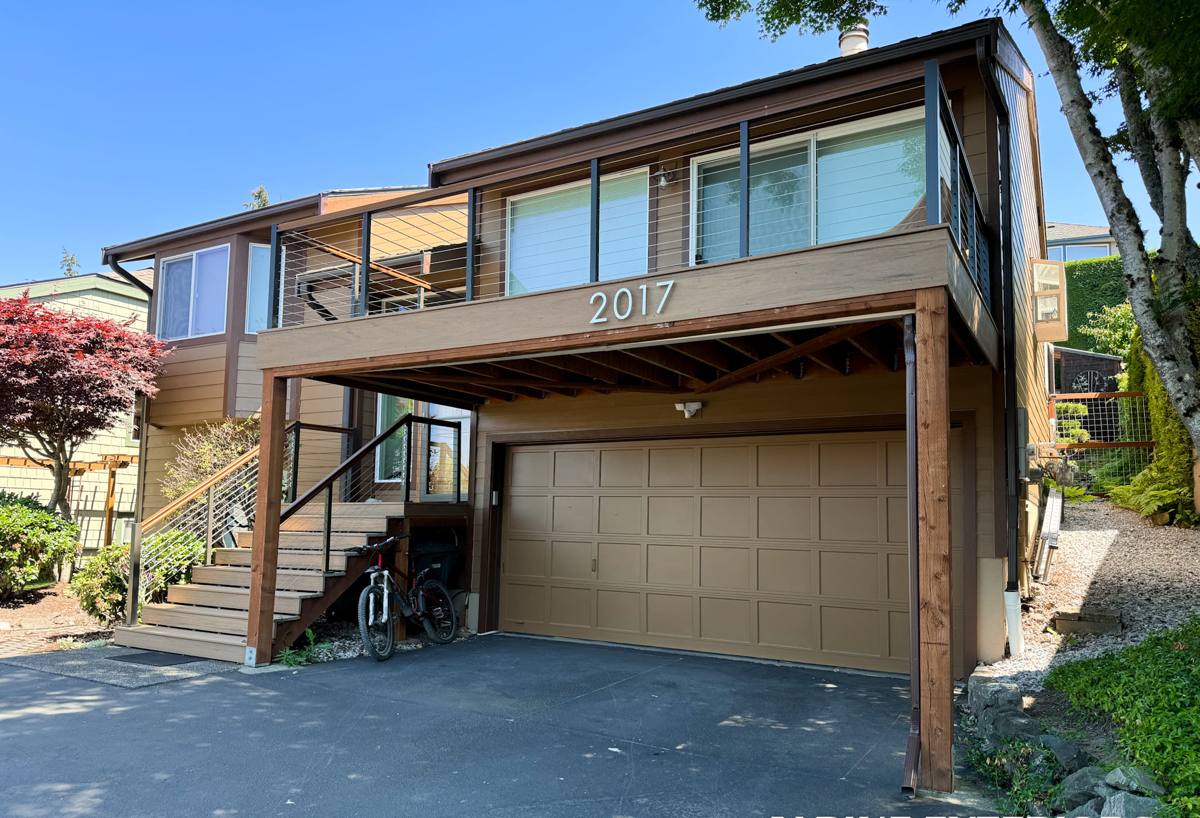
What Whatcom County Climate Does to a Roof
Salt Air and Metal Fatigue
Proximity to the bay means airborne salt settles on roofing components year-round. Exposed fasteners, cheap flashing metal, and unprotected vent stacks corrode faster here than they would inland. Over time this shows up as rust streaking, loosened fasteners, and pinhole leaks around penetrations long before the shingles themselves are worn out.
Driving Rain and Wind-Driven Water
Rain here rarely falls straight down. Wind off the bay pushes water sideways under shingle edges, around chimneys, and into any gap in the flashing. A roof that would perform fine in a calmer climate can leak in Bellingham simply because the water is coming in at an angle the original installation never accounted for.
Moss, Moisture, and Organic Growth
Shade from mature trees, combined with near-constant moisture much of the year, makes this one of the more moss-prone regions in the state. Moss holds water against the roof surface, works its way under shingle tabs, and accelerates granule loss. Left unaddressed, it shortens the usable life of even a well-installed roof by years.
Signs Your Roof Replacement Shouldn't Wait
Most roofs give warning signs well before they fail outright. In this climate, the warning signs tend to show up as small, easy-to-dismiss issues rather than dramatic leaks.
- Granules collecting in gutters or at downspout outlets
- Moss or dark streaking concentrated on the shaded, north-facing slopes
- Curling, cupping, or lifted shingle edges, especially on older architectural shingles
- Soft spots or slight sagging when walking the roof
- Rust staining around vent stacks, flashing, or fasteners
- Daylight visible through the roof deck from inside the attic
- Interior ceiling stains that come and go with heavy rain rather than appearing constantly
- A roof that's 20+ years old and has never had a full tear-off
Any one of these on its own might just mean a repair. Several at once, especially on a roof that's already past its expected service life, usually means replacement is the more honest recommendation — repairs on a worn-out roof tend to become a repeating expense rather than a fix.
What a Correct Roof Replacement Actually Involves
Full Tear-Off, Not a Layover
We remove the existing roofing down to the deck rather than installing new shingles over old ones. A layover traps moisture between layers, hides deck damage, and voids most manufacturer warranties. It's more work up front, but it's the only way to actually know what condition the deck and structure are in.
Deck Inspection and Repair
Once the old roofing is off, we inspect the sheathing for soft spots, delamination, or rot — common in this climate wherever a roof has been quietly leaking for years without an obvious interior sign. Damaged sections get replaced before anything new goes down. Skipping this step is one of the most common shortcuts in the trade, and it's the one that causes the most expensive problems later.
Underlayment Built for Wet Climates
Standard felt underlayment is a minimum, not a standard we rely on here. We use synthetic or self-adhering underlayment in vulnerable areas — valleys, eaves, around penetrations — because driving rain and prolonged wet seasons demand more of this layer than a drier climate would.
Flashing Done Right
Flashing failure is the single most common cause of roof leaks in this region, more than worn-out shingles. Chimneys, skylights, walls, and valleys all need properly formed, corrosion-resistant flashing — not just sealant smeared over a gap. Sealant is a short-term patch; correct flashing geometry is the actual fix.
Ventilation That Matches the Climate
Balanced intake and exhaust ventilation keeps the attic space dry and temperature-regulated. In a climate this wet, poor ventilation traps moisture under the deck, which contributes to rot, mold, and premature failure from the underside — a problem you won't see until it's advanced.
Our Process, Start to Finish
- On-site inspection. We walk the roof, check the attic from inside, and assess deck condition, ventilation, and flashing points before quoting anything.
- Written estimate. You get a clear scope of work and pricing — no vague allowances, no surprise change orders for things we should have caught during inspection.
- Material selection. We walk through the honest trade-offs between options for your specific roof, budget, and exposure, rather than pushing one product.
- Site protection. On tight in-city lots, we take extra care protecting landscaping, driveways, and neighboring property — space is often limited in these older neighborhoods.
- Tear-off and deck repair. Full removal, deck inspection, and repair of any compromised sheathing.
- Installation. Underlayment, flashing, ventilation components, and roofing material installed to manufacturer specification.
- Final walkthrough. We review the completed work with you and confirm everything meets what was quoted.
Comparing Roofing Options for This Climate
There's no single "best" roofing material — the right choice depends on your home's exposure, roof pitch, budget, and how long you plan to stay in the house. Here's an honest look at how common options hold up under Bellingham's specific conditions.
| Material | Moss/Moisture Resistance | Salt Air Durability | Typical Lifespan Here | Maintenance Burden |
|---|---|---|---|---|
| Standard 3-tab asphalt | Fair — granule loss accelerates with moss | Fair, if fasteners are corrosion-resistant | Shorter end of the range for this climate | Moderate — periodic moss treatment recommended |
| Architectural (dimensional) asphalt | Good — thicker mat resists moisture better | Good with proper flashing/fasteners | Solid mid-range performer | Moderate — moss control still advised |
| Metal roofing | Very good — sheds moss and moisture well | Depends heavily on coating quality near the bay | Long-term option when properly coated | Low, once installed correctly |
| Synthetic/composite shingle | Good — resists rot and organic growth | Good | Comparable to architectural asphalt | Low to moderate |
We don't push any one product as universally "best." Every material has a maintenance profile and an installation sensitivity — a metal roof is only as good as its coating and fastener detailing near salt air, and even a premium shingle underperforms if the underlayment and flashing beneath it are cut corners. We'll walk you through which option actually fits your roof, not just what's easiest to sell.
What Drives Roof Replacement Cost
Every roof is priced based on its own specifics, but the same handful of factors move the number up or down on most jobs in this area.
| Factor | Why It Matters Here |
|---|---|
| Roof size and pitch | Steeper roofs take longer and require more safety setup |
| Deck condition | Hidden moisture damage found during tear-off adds repair scope |
| Number of penetrations | Chimneys, skylights, and vents each need individual flashing work |
| Material selection | Asphalt, metal, and composite options carry different material and labor costs |
| Site access | Tight in-city lots, mature trees, and limited driveway space can add setup time |
| Layers to remove | Roofs with a prior layover take longer to tear off than a single layer |
Rather than quote a rough number that doesn't reflect your actual roof, we prefer to inspect first and give you a real, itemized estimate. It's the only way to give you a figure you can actually count on.
Why a Local Downtown Bellingham Crew Matters
Working in the older, in-city neighborhoods around downtown takes a different approach than roofing a newer subdivision. Homes here tend to sit on smaller lots with mature trees overhead, tighter setbacks, and less room to stage materials or set up equipment. A crew unfamiliar with these conditions often underestimates the time and care needed for site protection, tree canopy work-arounds, and coordinating with neighbors on narrow streets.
Some homes downtown are older or fall within areas subject to local design or permitting review — it's worth checking with the City of Bellingham on your specific property before assuming any roofing project is exempt. We handle the necessary permitting and inspections as part of the job rather than leaving it to the homeowner to sort out.
Being a Whatcom County crew also means we already understand the moss cycles, prevailing storm direction off the bay, and how quickly a small flashing issue turns into an interior problem in a climate this wet. That familiarity shapes how we sequence the work and what we flag during inspection — it's not something you can shortcut with generic roofing experience from a drier region.
After the Install: Keeping a New Roof Performing
A correctly installed roof still benefits from basic upkeep in this climate, especially around moss control.
- Keep gutters clear so water isn't backing up under the roof edge
- Trim back overhanging branches to reduce shade and debris buildup
- Have moss growth treated before it spreads across shaded slopes
- Schedule a visual roof check after major wind or rain events
- Address any small flashing or sealant issues promptly rather than waiting
None of this is a substitute for correct installation — it's what protects the investment once the installation is done right.
Ready to Talk About Your Roof?
If you're seeing warning signs on a downtown Bellingham roof, or you just want an honest opinion on where things stand, we're glad to come take a look. There's no pressure and no obligation — just a straight assessment from a crew that works this climate and this neighborhood regularly. Use the form below to request a free estimate.