 Fairhaven Siding
 Siding Replacement in Bow: Built for What This Climate Actually Does
Bow sits close enough to the water and open farmland that homes here take weather from more than one direction — salt-laden air drifting off the bay, wind-driven rain that gets pushed sideways into wall assemblies, and a moss season that stretches on far longer than most homeowners expect. None of that is dramatic on any single day. It's the accumulation, year after year, that wears siding down faster than the manufacturer's brochure suggests it should.
Siding replacement in Bow isn't just about picking a new color and swapping boards. It's about choosing a material and an installation method that can actually stand up to salt exposure, sustained moisture, and organic growth without turning into a maintenance project every spring. That's the lens we bring to every job in this area.
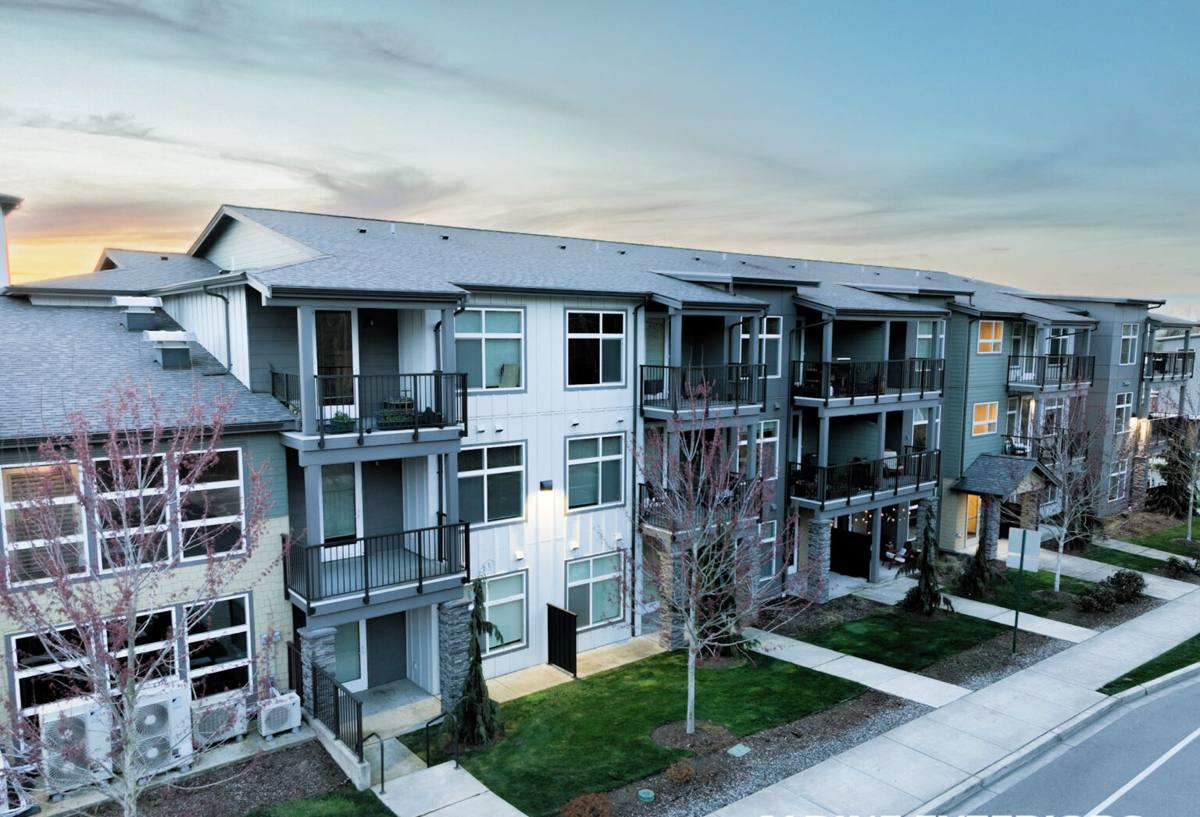
How This Climate Wears Down Siding
Salt Air and Corrosion
Airborne salt doesn't just affect homes right on the waterfront. It travels inland on wind, settles on siding surfaces, and accelerates the breakdown of paint films, caulk, and any fasteners or trim that aren't rated for coastal exposure. Over time it shows up as chalky, faded finishes and premature cracking at seams and joints.
Driving Rain
Rain that falls straight down is manageable for almost any siding product. Rain that gets pushed horizontally by wind is a different problem — it finds gaps at butt joints, corner boards, and window trim that would never see moisture in a calmer climate. If the water-resistive barrier and flashing details behind the siding aren't done right, that moisture works its way into the sheathing long before anyone sees a stain on the outside.
Extended Moss and Algae Season
The combination of shade, moisture, and mild temperatures in this part of Washington means moss and algae have a much longer growing window than in drier climates. Siding that stays damp — especially on north-facing walls or under tree cover — becomes a host for green and black staining that's difficult to fully remove without damaging the surface underneath.
Signs a Bow Home Needs Replacement, Not Just Repair
Not every siding problem calls for a full tear-off. But there's a point where patching stops making financial sense and replacement becomes the honest recommendation. Watch for:
- Soft or spongy spots when you press on the siding, which usually means moisture has already reached the sheathing
- Persistent moss or algae staining that returns within a season or two of cleaning
- Paint that's failing across large sections rather than a single weathered wall
- Visible warping, cupping, or separation at seams, especially on the sides that take the most wind-driven rain
- Gaps or rot around window and door trim that keep recurring after repairs
- Siding that's simply past its realistic service life for the material it's made from
Why We Only Install James Hardie Fiber Cement
We don't install vinyl, LP SmartSide, Cemplank, Allura, primed spruce, or cedar. That's not a marketing position — it's the result of watching how different siding materials actually hold up in this specific climate over years, not just in the first season after installation.
Wood-based products, including engineered wood and primed solid wood, depend on an intact paint film to keep moisture out. In an area with this much sustained rain and humidity, any breach in that film — a nail pop, a hairline crack, a spot where caulk has failed — becomes an entry point for water, and wood-based cores swell, delaminate, or rot from the inside once moisture gets in. Vinyl handles moisture fine but softens and distorts under sustained heat, and its butt joints and trim details are more prone to gaps that let wind-driven rain track behind the panel.
James Hardie fiber cement is cement, sand, and cellulose fiber. It doesn't rot, it doesn't feed moss and algae the way organic material does, and it holds paint and factory finish far longer because the substrate itself isn't degrading underneath it. It's also non-combustible, which matters regardless of climate. The HZ5 product line is engineered specifically for wetter, harsher climate zones like this one, and the ColorPlus factory finish is baked on under controlled conditions rather than field-applied, which is a meaningfully more durable finish than site-painted siding.
| Factor | James Hardie Fiber Cement | Vinyl | Wood / Engineered Wood |
|---|---|---|---|
| Moisture behavior | Doesn't rot or swell; engineered for wet climates (HZ5) | Resists moisture but can warp with heat cycling | Vulnerable once paint film or coating is breached |
| Salt air exposure | Stable; factory finish resists chalking and fade | Can become brittle and discolored over time | Finish breaks down faster; accelerates rot risk |
| Moss/algae resistance | Doesn't feed organic growth; cleans without damaging substrate | Growth sits on surface but seams trap moisture | Organic material can host growth directly |
| Fire performance | Non-combustible | Combustible | Combustible |
| Finish longevity | Factory-applied ColorPlus, long warranty | Color molded in, can fade unevenly | Field-applied paint, shorter repaint cycle |
What a Correct Siding Replacement Job Actually Involves
Tear-Off and Sheathing Inspection
Replacement starts with removing the old siding entirely, not covering over it. That's the only way to actually inspect the sheathing underneath for rot, soft spots, or prior water damage that's been hidden. In a climate like this, skipping that inspection means there's a real chance of sealing existing moisture problems behind new material.
Water-Resistive Barrier and Rainscreen Detailing
Given how much driving rain this area sees, the housewrap or weather-resistive barrier behind the siding, along with proper flashing at every window, door, and penetration, matters as much as the siding itself. A rainscreen gap — a small air space between the siding and the wall — lets any moisture that does get past the outer layer drain and dry out instead of sitting against the sheathing.
Fastening and Joint Treatment to Manufacturer Spec
James Hardie publishes specific fastening patterns, clearances, and joint treatments for its products, and those specs exist for a reason — get them wrong and you undercut the warranty and the material's actual performance. Correct nail placement, proper gaps at butt joints, and sealing details at trim are what separate a job that lasts decades from one that starts showing problems in a few years.
Trim, Corners, and Penetration Details
Most siding failures don't start in the field of the wall — they start at the transitions: corner boards, window and door trim, vents, and hose bibs. These are the spots where wind-driven rain concentrates, so they get the most careful attention during installation.
Our Process for a Bow Siding Replacement
- On-site assessment — we look at the current siding, the exposure of each wall, and any visible signs of moisture or rot before recommending a scope of work
- Scope and product selection — we walk through the relevant Hardie lines, colors, and profiles for the home, with honest input on what fits the site
- Tear-off and sheathing repair — removal of old siding, inspection, and repair of any damaged sheathing before anything new goes up
- Weather barrier and flashing installation — water-resistive barrier, flashing, and rainscreen detailing installed to spec, particularly at wall sections exposed to prevailing wind and rain
- Hardie siding installation — installed to manufacturer fastening and clearance specifications, with careful trim and joint work at every transition
- Final walkthrough — a joint inspection with the homeowner before we consider the job complete
Cost Factors for Siding Replacement in Bow
Every home is different, so exact pricing depends on a site visit, but the factors that move the cost are consistent across jobs in this area:
| Factor | Why It Matters |
|---|---|
| Home size and wall complexity | More corners, gables, and trim details mean more labor per square foot |
| Sheathing condition | Rot or moisture damage found at tear-off adds repair scope before new siding goes on |
| Siding profile and product line | Lap, shingle, and panel profiles, along with HZ5 vs standard lines, carry different material costs |
| Access and site conditions | Slopes, landscaping, and tight lot lines affect staging and labor time |
| Existing trim and detail work | Full trim replacement versus reuse of sound existing trim changes overall scope |
What to Ask Before Hiring a Siding Contractor in Bow
- Do they tear off old siding completely, or offer to cover over it?
- Do they inspect and repair sheathing before installing new siding?
- Can they explain their flashing and rainscreen approach for wind-driven rain?
- Do they install to the manufacturer's published fastening and clearance specs?
- Are they James Hardie certified or experienced specifically with fiber cement installation?
- Do they have experience with homes in this specific climate, not just siding in general?
Why a Crew That Already Works in Bow Matters
A contractor who's spent time on homes in this area already knows which walls take the worst of the wind-driven rain, how long moss really lingers on north-facing sections, and what salt exposure does to fasteners and trim over a decade rather than a season. That kind of familiarity shows up in the small decisions — where extra flashing attention goes, which joints need the most care — that don't show up on a proposal but do show up in how the siding performs ten and twenty years down the road.
If your siding is showing its age or you're planning ahead for a replacement, we're happy to take a look and give you a straightforward assessment. Reach out for a free, no-pressure estimate using the form below.