 Fairhaven Siding
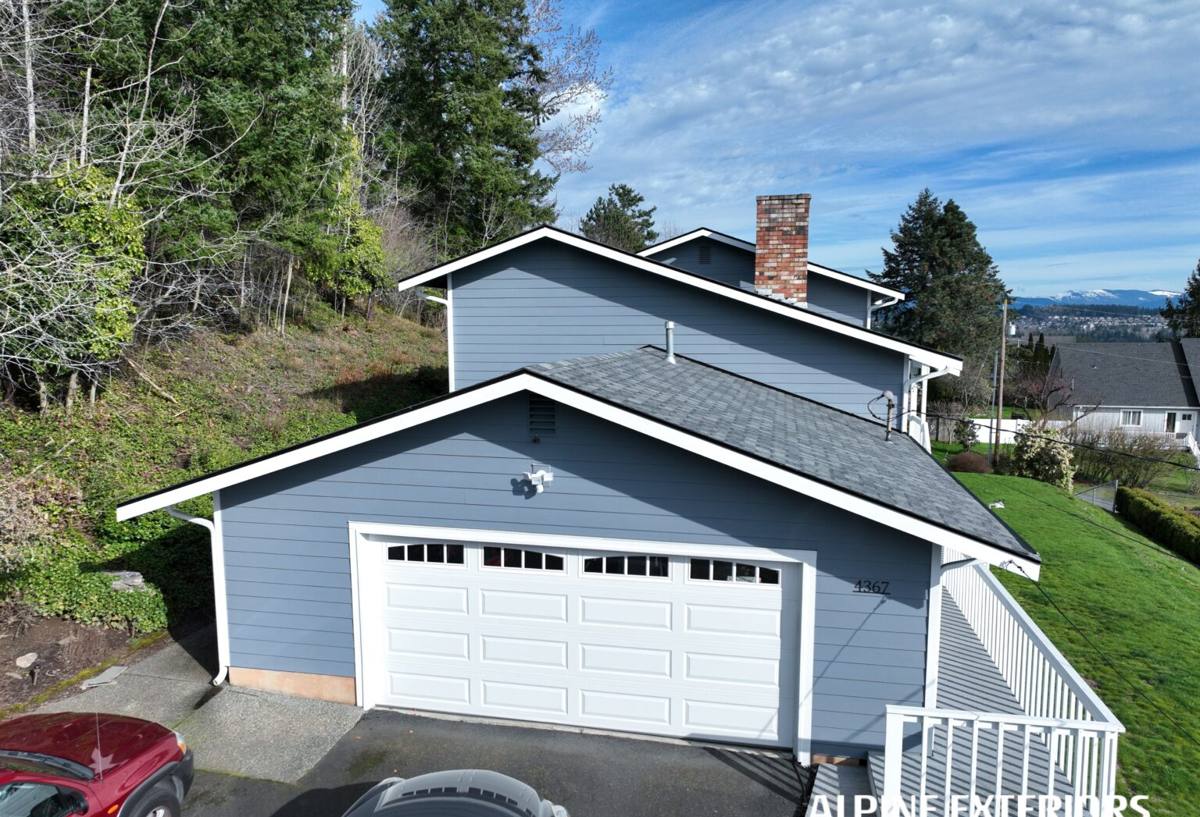
 Roofing in Birchwood: A Different Set of Problems Than Inland Homes
Birchwood sits close enough to the water and the tree cover around Fairhaven that its roofs age differently than roofs twenty miles inland. Homes here deal with three things at once: salt-laden air off Bellingham Bay, long stretches of driving rain that comes in sideways during winter storms, and a moss season that can run eight or nine months out of the year. None of these alone is unusual for Whatcom County. Together, on the same roof, year after year, they wear through flashing, lift shingle edges, and hold moisture against roof decking longer than most manufacturers ever designed for.
A roof repair in this neighborhood isn't just about patching a leak. It's about understanding why that leak started in the first place, and fixing the conditions around it so the same spot doesn't fail again in eighteen months.
What the Local Climate Actually Does to a Roof
Salt Air and Metal Fatigue
Salt air accelerates corrosion on anything metal on the roof — flashing, fasteners, gutter hangers, and the metal drip edges along eaves and rakes. Galvanized fasteners that would last decades in a dry inland climate can start showing rust streaks in half that time near Fairhaven. Once a fastener corrodes, it loses grip, and a shingle or panel that used to sit tight starts to lift in wind.
Driving Rain and Wind-Driven Water
Most roofing systems are designed assuming water runs downhill and off the edge. Driving rain off the water changes that assumption — it can push water sideways and upward under shingle tabs, around chimney flashing, and into vents that were never meant to face weather head-on. This is why the majority of leak calls we get in this area trace back to flashing details, not the field of the roof itself.
Moss and Prolonged Moisture Contact
Moss doesn't just look bad. It holds water against the roofing material long after a storm has passed, which softens asphalt shingles, promotes rot in wood shakes, and keeps the roof deck underneath damp enough for slower, hidden decay. In a neighborhood with mature tree cover and shaded north-facing slopes, moss can establish itself within a couple of years of a roof being cleaned, especially where roof valleys collect debris.
Signs a Birchwood Roof Needs Repair Now
- Granules collecting in gutters or at downspout outlets — a sign of shingle wear, not just normal aging
- Moss or dark streaking concentrated on north- or shade-facing roof planes
- Soft spots or slight sagging when walking the roof (a sign of deck moisture, not a cosmetic issue)
- Water stains on interior ceilings near exterior walls, chimneys, or skylights
- Curling, cracked, or missing shingle tabs, especially near ridge lines and roof edges
- Rust streaking below metal flashing or vent boots
- Daylight visible through the attic roof deck at joints or nail penetrations
- Gutters pulling away from the fascia, which often points to trapped moisture behind them
Any one of these can be a minor fix if caught early. Left alone through another wet season, most of them turn into deck replacement or a full re-roof.
What a Correct Roof Repair Actually Involves
A repair that holds up in this climate isn't a bead of sealant over a visible gap. It's a sequence:
1. Find the Real Source
Leaks travel. Water entering at a chimney flashing can show up as a stain three feet away, following a rafter or sheathing seam before it drips. We trace the path from the interior stain or exterior damage back to the actual entry point before touching anything.
2. Assess the Deck, Not Just the Surface
If water has been getting in for any length of time, the plywood or board decking underneath may be soft, delaminated, or rotted. Repairing shingles over a compromised deck just hides the problem until it reappears, usually worse.
3. Rebuild Flashing Details Correctly
Chimney step flashing, counter-flashing, valley metal, and vent boots are where most leaks originate in this climate. A correct repair re-laps these pieces properly, seals them with roofing-grade materials rather than caulk alone, and accounts for the wind-driven rain pattern specific to this area.
4. Match Materials and Fastening for the Environment
Given the salt air, we favor corrosion-resistant fasteners and flashing metals for repair work here rather than the cheapest available stock, even when it costs a little more upfront. A repair fastened with the wrong hardware just moves the failure point a few years down the road.
5. Address the Moss, Not Just the Leak
If moss contributed to the failure, a repair that doesn't also treat and prevent moss regrowth in that area is incomplete. That can mean gentle cleaning, zinc or copper strip installation along ridges, and trimming back overhanging branches where that's practical.
Roofing Materials Common in Birchwood and How They Repair
| Material | Common Failure Points | Moisture/Moss Behavior | Repair Notes |
|---|---|---|---|
| Asphalt composition shingle | Granule loss, curling tabs, nail pops | Moderate moss risk on shaded slopes; absorbs water when granules are gone | Most repairable material; spot repairs blend well if shingles aren't too weathered to match |
| Cedar shake/shingle | Splitting, rot at butt ends, moss colonization | High moisture retention; moss and rot risk is the biggest concern in this climate | Repairs require careful matching of exposure and can be labor-intensive; ongoing moss control is essential |
| Metal (standing seam/panel) | Fastener backout, seam sealant failure, panel oil-canning | Low moss risk; sheds water well but salt air accelerates fastener corrosion | Repairs are usually localized to fasteners and flashing, not the panels themselves |
| Torch-down/flat roofing | Seam separation, ponding water, membrane punctures | Ponding water holds moisture and encourages algae/moss at low spots | Correct drainage slope matters as much as patching the membrane itself |
Our Repair Process on Birchwood Homes
- On-site inspection — we walk the roof (weather permitting) and the attic where accessible, and photograph what we find
- Honest diagnosis — we tell you what's actually failing and whether it's a repair situation or heading toward replacement
- Written scope and price — no vague "as needed" line items; you know what's being done before we start
- The repair itself — deck work first if needed, then flashing, then surface material, then moss treatment if applicable
- Cleanup and walkthrough — debris removed, gutters checked, and we show you what was done
Repair vs. Replacement: What Actually Drives the Decision
| Factor | Leans Toward Repair | Leans Toward Replacement |
|---|---|---|
| Age of roof | Under 60-70% of expected material lifespan | Near or past expected lifespan for the material |
| Extent of damage | Isolated to one flashing detail or roof plane | Multiple areas showing granule loss, curling, or moss |
| Deck condition | Solid, dry decking under the damaged area | Soft, delaminated, or rotted decking in multiple spots |
| Prior repair history | First repair call in several years | Repeated repairs to the same or nearby areas |
| Moss/moisture pattern | Recent, treatable growth | Long-established moss with visible deck sagging |
Cost ranges vary a lot depending on access, roof pitch, and how much of the deck needs replacing, so we're not going to quote a number here that wouldn't hold up house to house. What we can tell you honestly during an inspection is which side of this table your roof falls on.
Ongoing Roof Care Between Repairs
In Whatcom County's climate, a roof isn't a "fix it and forget it" system. A few habits extend the life of any repair we do:
- Clear moss and debris from valleys and behind chimneys at least once a year, more often under heavy tree cover
- Keep gutters clear so water isn't backing up under the roof edge during heavy rain
- Trim back branches that keep a section of roof shaded and damp
- Have flashing checked whenever gutters are serviced, since both tend to fail around the same areas
- Address small leaks the season they're noticed, not the season after
Why a Crew That Already Works Birchwood Makes a Difference
Roofing crews that mostly work drier inland climates sometimes underestimate what salt air and constant moss pressure do to a roof over time. A crew that regularly works Birchwood and the surrounding Fairhaven area already knows which flashing details tend to fail first in this specific exposure, which north-facing slopes need moss attention every year rather than every few years, and how local wind patterns during winter storms drive water into places a standard repair wouldn't anticipate. That local pattern recognition is the difference between a repair that lasts a season and one that lasts a decade.
Get an Honest Look at Your Roof
If you're dealing with a leak, moss buildup, or just want a second opinion on whether a repair or replacement makes sense for your Birchwood home, we're glad to take a look. The estimate is free, there's no pressure to book anything on the spot, and you'll get a straight answer about what your roof actually needs. Use the form below to get started.