 Fairhaven Siding
 Windows for Chuckanut's Coastal Microclimate
Chuckanut sits in one of the more demanding stretches of Whatcom County for exterior building materials. Homes along the wooded bluffs and shoreline near Chuckanut Bay and Samish Bay face a combination most inland neighborhoods never deal with: salt-laden air off the water, wind-driven rain that comes in sideways during winter storms, and deep shade from evergreen cover that keeps moisture sitting on surfaces long after a storm passes. Windows are one of the first components to show the effects of that combination — and one of the most expensive to get wrong.
This page covers window replacement specifically for the Chuckanut area: what the climate actually does to windows here, what a correct installation looks like on this terrain, and how our process is built around the realities of this particular pocket of Fairhaven's service area rather than a generic playbook.
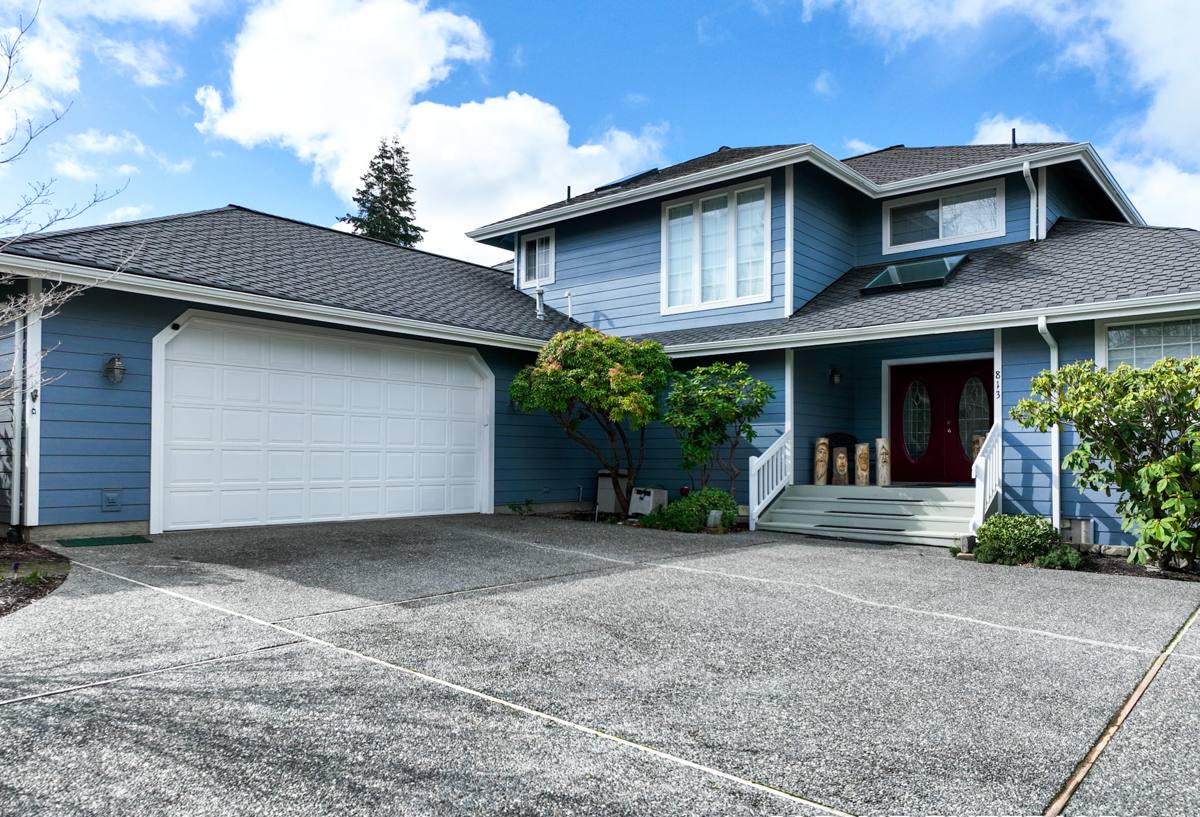
What Salt Air, Driving Rain, and Moss Actually Do to Windows
Salt Air and Metal Components
Salt air accelerates corrosion on anything metal — window hardware, screen frames, aluminum cladding, and especially lower-grade fasteners used in the original installation. Once corrosion starts on hinges, locks, or balance mechanisms, windows get harder to open and close, and seals around moving parts stop compressing evenly. That's often the first sign of trouble long before glass or frames show visible damage.
Driving Rain and Wind-Driven Water Intrusion
Chuckanut's exposure to wind coming off the water means rain doesn't just fall straight down — it gets pushed horizontally into wall assemblies, particularly on west- and southwest-facing elevations. Windows that were installed without proper flashing, or with sealant relied on as the only line of defense, are especially vulnerable to this kind of wind-driven intrusion. Water finds the smallest gap and works its way behind trim and into the wall cavity, where it can sit unnoticed for a long time.
Moss, Algae, and Prolonged Moisture Exposure
The heavy tree canopy in parts of Chuckanut keeps many homes shaded and damp well into what would otherwise be a drying season elsewhere in the county. Moss and algae growth on sills, trim, and lower sashes isn't just cosmetic — it holds moisture against wood and painted surfaces for extended periods, which is exactly the condition that leads to rot, paint failure, and eventually seal failure in the glass unit itself.
Signs a Chuckanut Home Needs Window Replacement
Not every problem window needs full replacement — sometimes a repair, new sealant, or hardware service solves it. But certain signs, especially combined with this area's climate exposure, usually point to replacement being the more honest answer:
- Fogging or a persistent haze between panes — the sealed glass unit has failed and moisture is trapped inside
- Soft, spongy, or visibly rotted wood at the sill or lower frame corners
- Windows that are difficult to open, close, or lock due to corroded or swollen hardware
- Visible daylight or a noticeable draft around the frame when it's closed
- Paint that keeps failing on the same window no matter how often it's repainted
- Moss or dark staining that returns quickly after cleaning
- A noticeable jump in heating costs without any other explanation
Choosing the Right Window for This Location
Frame Material Trade-Offs
Frame material matters more here than in a drier, more sheltered part of the county. We steer homeowners toward materials that hold up to sustained moisture exposure without needing constant upkeep, and we're upfront about the trade-offs of each option rather than pushing one product as a cure-all.
| Frame Material | Moisture Performance | Maintenance | Best Fit |
|---|---|---|---|
| Vinyl | Doesn't rot or corrode; performs well in damp, salt-exposed air | Low — occasional cleaning | Most Chuckanut homes prioritizing durability and value |
| Fiberglass | Very stable in moisture and temperature swings; won't warp | Low | Larger openings or homes wanting a stiffer, longer-lived frame |
| Wood (clad or unclad) | Attractive but vulnerable where cladding or paint is compromised | Higher — regular inspection and refinishing | Homeowners prioritizing a specific traditional look who accept the upkeep |
| Aluminum | Prone to corrosion and heat loss in this climate | Moderate to high | Generally not our recommendation for this location |
Glass and Glazing
Double-pane, low-E glass is the standard we recommend for most Chuckanut homes — it balances energy performance with cost and holds up well against this region's temperature swings between damp winters and warmer summer afternoons. Triple-pane is worth discussing for homes with direct wind exposure toward the water or for owners specifically prioritizing sound dampening and maximum efficiency, though it comes at a higher cost and added weight that the frame and opening need to support properly.
What a Correct Installation Involves Here
Flashing and Water Management Come First
In an area with this much wind-driven rain, the flashing detail — not the caulk bead — is what actually keeps water out. That means proper integration of the window flange with a weather-resistive barrier, correctly lapped flashing tape at the sill and jambs, and a sill pan that directs any water that does get past the exterior back out rather than letting it pool. Sealant is a backup layer, never the primary defense.
Sealing Without Trapping Moisture
It's possible to over-seal a window installation in a way that traps moisture inside the wall assembly instead of keeping it out. We use sealing methods that shed bulk water on the outside while still allowing any incidental moisture that does get in to dry out, rather than sealing every surface airtight and creating a trap.
Working With Older Framing
Many homes in this part of Fairhaven's service area have older rough openings that have shifted slightly over the decades, or framing that shows early signs of moisture damage once the old window is removed. Part of a correct installation is inspecting that opening the moment the old unit comes out — not covering up a soft header or sill with a new window and calling it done.
Our Window Replacement Process
- On-site assessment — we look at each window's exposure, current condition, and how water and wind actually hit that specific elevation of the house.
- Product recommendation — frame material, glass package, and style suited to that exposure and the home's existing look, with honest trade-offs explained up front.
- Opening inspection at removal — old windows come out and the rough opening gets checked for hidden rot or moisture damage before anything new goes in.
- Flashing and sill pan installation — the water management layer is built correctly before the new window is ever set.
- Window installation and sealing — set plumb, level, and square, then sealed with methods appropriate to this climate rather than a one-size-fits-all bead of caulk.
- Interior and exterior trim finish — matched to the home so the new window doesn't look like a patch job.
- Final walkthrough — operation, locks, and seals checked with you before we consider the job done.
Cost Factors for Chuckanut Window Replacement
Every home is different, and we won't quote a number without seeing the actual openings, but the factors that typically move the price are consistent:
| Factor | Why It Affects Cost |
|---|---|
| Number and size of windows | Larger openings and full-home replacements involve more material and labor |
| Frame material chosen | Vinyl is typically the most cost-effective; fiberglass and wood cost more upfront |
| Glass package | Triple-pane and specialty coatings add cost over standard double-pane low-E |
| Condition of the existing opening | Hidden rot or framing repair found during removal adds time and material |
| Access and site conditions | Elevated, sloped, or hard-to-reach openings on bluff lots take more time to work safely |
| Trim and finish work | Matching existing exterior trim details adds labor beyond a basic install |
We'll always give you a broad, honest range once we've actually looked at your windows in person — not a number pulled from a national average that has nothing to do with a wet, wooded, wind-exposed lot in Chuckanut.
Why Hiring a Crew That Already Works Chuckanut Matters
Window replacement done to a generic standard can still fail here within a few years if it wasn't built for this specific exposure. A crew that regularly works this part of Whatcom County already knows which elevations take the worst of the wind-driven rain, how much moss and shade a given lot is likely to deal with, and how older Chuckanut-area homes were typically framed and flashed the first time around. That local knowledge shows up in fewer callbacks, fewer surprises once the old window comes off the wall, and a job that's built to handle the next twenty winters here — not just pass a quick visual inspection on installation day.
Caring for New Windows After Installation
A correctly installed window in this climate still needs a small amount of upkeep to get its full lifespan:
- Rinse salt residue and organic buildup off frames and glass a few times a year, more often on wind-exposed elevations
- Keep gutters and nearby vegetation trimmed back so water and debris aren't draining directly onto sills
- Check weep holes and drainage paths periodically to make sure they aren't clogged with moss or debris
- Exercise locks and hardware occasionally so corrosion doesn't set in unnoticed
- Address any new moss growth on sills or trim promptly rather than letting it sit through another wet season
If you're weighing whether it's time to replace windows on a Chuckanut home, we're happy to take a look and give you a straight answer — including telling you if repair is a reasonable option instead. Reach out for a free, no-pressure estimate using the form below.