 Fairhaven Siding
 Storm Damage Roof Repair for Edgemoor Homes
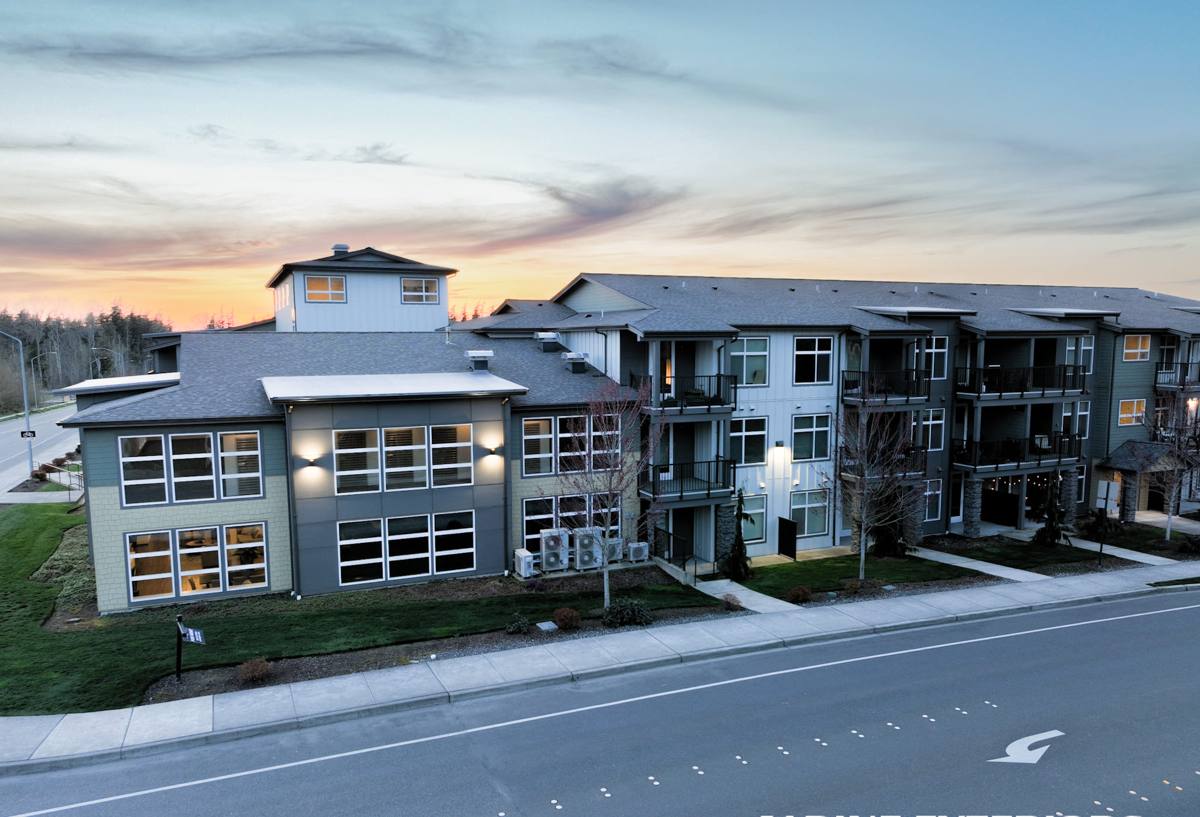
Edgemoor sits along the water south of Fairhaven, and that location comes with a trade-off. The views and the tree cover that make the neighborhood what it is are the same things that put roofs here through more than the average Whatcom County home sees. Wind off Bellingham Bay hits these roofs at odd angles compared to inland streets, mature trees drop limbs during winter storms, and the shade from all that tree canopy keeps roof surfaces damp long after the rain stops. When a storm does damage a roof here, it rarely shows up as one clean, obvious problem — it's usually a mix of wind-lifted shingles, a little moss-driven rot that was already working on the deck, and maybe a bent flashing detail that's been letting water in slower than you'd think.
This page covers what storm damage actually looks like on an Edgemoor roof, what a correct repair involves, and how we handle the job from first look to final cleanup.
Why Storms Hit Edgemoor Roofs the Way They Do
Three things shape almost every storm repair call we get in this neighborhood:
Wind Off the Water
Waterfront and near-waterfront lots take wind differently than a roof three blocks inland. Gusts coming off the bay can catch a roof edge or ridge cap at an angle the shingle manufacturer never designed for, which is why we see wind damage concentrated on specific slopes and edges rather than spread evenly across a roof.
Salt Air
Salt-laden air corrodes exposed metal faster than it does further inland — flashing, fasteners, gutter hardware, and any exposed nail heads are all more vulnerable. A storm that would only lift a shingle on a drier, inland roof can tear one loose entirely here if the fasteners underneath were already weakened by corrosion.
Shade, Moss, and Moisture
Edgemoor's wooded lots keep a lot of roof area shaded for most of the day. Shade plus our long wet season means moss gets a foothold that a sunnier roof wouldn't have. Moss holds moisture against the shingle and roof deck, and a storm that dumps heavy rain on a roof with an existing moss mat often reveals rot or soft decking that had been quietly developing underneath it.
What Counts as Storm Damage
Not every roof problem after a windstorm is storm damage in the insurance or repair sense, and it's worth knowing the difference before you call anyone out.
- Wind-lifted or torn-off shingles — creased, cracked, or missing shingles, usually along ridges, edges, or valleys
- Impact damage — a branch or limb strike that cracks shingles, dents metal roofing, or punctures the deck
- Flashing separation — flashing around chimneys, skylights, and roof-to-wall transitions pulled loose or bent by wind
- Granule loss — heavy wind-driven rain can strip protective granules off asphalt shingles, ageing them faster
- Exposed rot — storm rain finding its way into decking that moss or prior leaks had already softened
The last one is the trickiest, because it isn't purely storm damage — it's moss and moisture damage that the storm simply exposed. We'll always tell you honestly which category a problem falls into, because it affects both the repair scope and, often, how an insurance claim gets handled.
Why Waiting Costs More Here Than It Would Inland
A missing shingle or lifted flashing detail doesn't look urgent from the ground, but on a shaded, damp Edgemoor roof, water that gets under the roofing system doesn't dry out quickly. Left through another rain event or two, a small entry point turns into saturated decking, then into a ceiling stain or a soft spot you can feel underfoot in the attic. We'd rather look at a small problem now than a decking replacement later.
What a Correct Storm Repair Involves
Stabilize First
If a roof is actively leaking or has an open area from a limb strike or torn-off section, the first move is to stop water from getting further into the house — tarping or temporary sealing the affected area, not a full repair, until the rest of the roof can be properly assessed.
Full Assessment, Not Just the Obvious Spot
Wind damage is rarely limited to the spot you can see from the driveway. We check the whole roof plane, all flashing details, valleys, and any area where moss has been holding moisture, because storms tend to find the weakest point in a roof system — and on an older roof, there can be more than one.
Match the Repair to the Damage
Small, isolated wind damage on a roof that's otherwise sound usually calls for a targeted repair — replacing the affected shingles, resetting or replacing damaged flashing, and checking the decking underneath before closing it back up. If the damage is widespread, or the assessment turns up rot from long-term moss exposure, patch-repairing over a compromised deck isn't a service we'll recommend — it just fails again on the next storm.
Rebuild the Weather Barrier Correctly
Any area we open up gets proper underlayment and flashing detail before new shingles go back on — not just a shingle swap over old, compromised material. This is the step that gets skipped by anyone rushing a storm repair, and it's the one that determines whether the fix lasts.
Our Process
1. Inspection and Documentation
We walk the roof, photograph the damage, and note the likely cause — wind, impact, or moisture that predates the storm. This documentation is the same material you'd need if you're filing an insurance claim.
2. A Straight Answer on Scope
You get a clear explanation of what's storm damage, what's pre-existing wear, and what we recommend — repair, partial re-roof of the affected slope, or full replacement if the roof's condition warrants it. No upselling a repair into a replacement, and no patching over something that needs more.
3. The Repair
We handle tarping if needed, remove and replace damaged materials, correct flashing and underlayment, and match shingles as closely as available product lines allow. On older roofs, an exact color match isn't always possible — we'll tell you that upfront rather than let you find out after the fact.
4. Cleanup and Follow-Up
Debris and old material are hauled off, gutters are checked for storm debris or damage, and we'll flag any moss growth or drainage issue we noticed that's worth addressing before it becomes the next call.
Repair or Replace? What Actually Decides It
| Factor | Usually Points to Repair | Usually Points to Replace |
|---|---|---|
| Age of roof | Under 12–15 years, asphalt shingle | Nearing or past expected lifespan |
| Extent of wind damage | Isolated section or single slope | Multiple slopes or widespread lifting |
| Decking condition | Solid, no soft spots found | Soft, delaminated, or rotted decking |
| Moss history | Light, surface-level, treatable | Long-term moss with underlying rot |
| Shingle match availability | Close match possible | Discontinued or badly weathered, mismatch obvious |
None of these factors decide it alone — we weigh them together and give you our honest read, not a default push toward the bigger job.
Working With Your Insurance Claim
Most storm damage claims move faster and cleaner when the documentation is solid from the start. We provide photos, a written description of the damage and likely cause, and measurements the adjuster will need. We're happy to meet an adjuster on-site and walk the roof with them, but we work for you, not the insurance company — our job is an accurate assessment, not talking a claim up or down to fit a number.
A few things worth knowing going in:
- Wind and impact damage are typically covered under standard homeowner policies; gradual wear, moss damage, and lack of maintenance generally are not
- Filing promptly after a storm event, with dated photos if you have them, strengthens a claim
- An adjuster's initial scope isn't always final — a documented professional assessment can support a supplement if damage was underestimated
Why a Crew That Already Works Edgemoor Matters
A roofer who mostly works dry, sunny, inland roofs is going to underestimate what moss and salt air do to a roof system here, and may miss damage patterns that are specific to waterfront wind exposure. Knowing which slopes on an Edgemoor roof typically take the worst of a southwesterly storm, how fast moss reestablishes under the tree cover here, and what Bellingham and Whatcom County permitting requires for roof repair work all come from working this specific area regularly — not from a general roofing background. It's also worth having a crew that's local enough to respond quickly after a storm, when a tarp today matters more than a quote next week.
Signs You Should Have Your Roof Checked After a Storm
- Shingles visible in the yard or gutters after high wind
- New water stains on an interior ceiling or wall
- Visible gaps, lifted edges, or curling shingles from the ground
- A tree limb came down on or near the roof
- Granules collecting in gutters or downspout runoff
- Daylight visible through the roof deck from inside the attic
- Heavy moss growth combined with any of the above
If you're seeing any of these after a recent storm, or you'd just like a roof that took a beating checked out before the next one rolls in, we're glad to come take an honest look. The estimate is free, there's no pressure attached to it, and you'll get a straight answer about what your roof actually needs — use the form below to get started.