 Fairhaven Siding
 Why South Hill Roofs Wear the Way They Do
South Hill sits up on the slopes above Bellingham Bay, and that elevation cuts both ways. Homes up here get some of the best views in Whatcom County, but they also take the weather straight on. Salt-laden air off the bay works its way into fasteners, flashing, and any exposed metal on a roof, speeding up corrosion in ways that homes further inland simply don't experience. Add in the driving rain that comes through with our fall and winter storms — often blowing sideways, not straight down — and you've got a roof that's being tested at every seam, lap, and penetration, not just the open field of shingles.
Then there's moss. Whatcom County's wet season runs long, and South Hill's mature tree canopy means a lot of roofs stay shaded and damp well after a storm has passed elsewhere in Bellingham. That combination of moisture and shade is exactly what moss needs to take hold, and once it does, it holds water against the roofing material and works its way under shingle tabs and around flashing. A lot of the older housing stock on South Hill was built before some of today's underlayment and ventilation standards existed, which means those roofs are carrying decades of cumulative wear from all three of these factors at once.
None of this means a roof on South Hill needs to fail early. It means the installation has to be done with this specific climate in mind, from the materials chosen down to how the flashing is detailed. That's the difference between a roof that looks fine going on and one that actually holds up here.
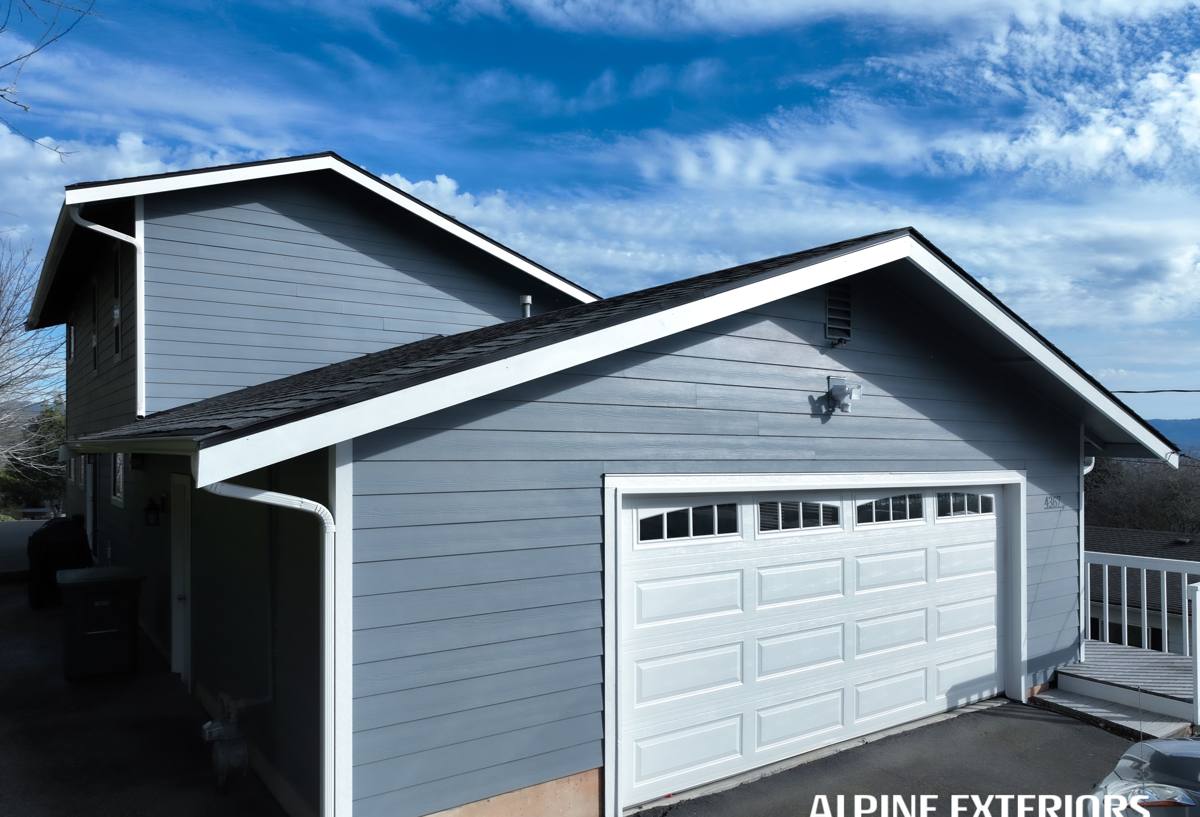
Signs It's Time for Replacement, Not Another Repair
Most roofs give warning signs well before they leak. The trouble is that a lot of those signs show up inside the attic, not on the surface, so they get missed until there's water damage to deal with.
Inside the attic
Dark staining on the underside of the decking, a musty smell, or visible daylight around vent stacks and chimneys are all signs that water or moisture is getting past the roofing system. Soft or spongy decking when you press on it from below is a sign the plywood itself has started to break down.
On the roof surface
Granule loss that leaves shingles looking bald or patchy, curling or cupped shingle edges, cracked or missing tabs, and heavy moss growth that's lifted shingles rather than just sitting on top are all signs the roof has moved past routine maintenance.
- Shingles are curling, cracking, or losing granules across large sections rather than one spot
- Moss has worked its way under shingle edges instead of just growing on the surface
- Flashing around chimneys, vents, or skylights is rusted, lifted, or gapped
- You've had more than one active leak in the past two winters
- The roof is past 20-25 years old for asphalt, or shows widespread wear regardless of age
- Previous repairs are starting to fail again in the same spots
If you're only seeing one or two of these, a repair may still make sense. If several are showing up together, that's usually a sign the whole system — not just the surface — is reaching the end of its service life.
What a Correct Installation Actually Involves
A new roof is more than laying down new shingles over what's there. Done right, it's a full system, and every layer matters more here than it would in a drier climate.
Tear-off and deck inspection
We remove the old roofing down to the deck rather than layering over it. That's the only way to actually see the plywood or OSB underneath, which is where a lot of the real damage from years of moss and moisture shows up. Any soft, delaminated, or rotted decking gets replaced before anything new goes down — skipping this step is the single most common shortcut that leads to early failure.
Underlayment and water protection
A synthetic underlayment goes down across the full deck as the first line of defense, with self-adhering ice-and-water membrane at the vulnerable points — eaves, valleys, and around any roof penetration — where wind-driven rain is most likely to find a way in.
Flashing details
Flashing around chimneys, skylights, sidewalls, and vent pipes is where the majority of leaks actually start, not in the open field of the roof. Given the salt air on South Hill, we pay close attention to the metal we use here and how it's installed, since corrosion at these joints is what eventually opens a path for water.
Ventilation
A balanced intake and exhaust system — soffit vents pulling air in, ridge or roof vents letting it out — keeps the attic space at a consistent temperature and moisture level. Without it, warm moist air from inside the house gets trapped against the underside of the deck, which accelerates rot and can encourage the same conditions that let moss take hold from below as well as above.
Choosing the Right Material for South Hill's Climate
There's no single "best" roofing material — the right choice depends on the home, the budget, and how much long-term maintenance you're willing to take on. Here's how the common options actually compare once you factor in salt air, driving rain, and moss pressure.
| Material | Moss & Moisture Resistance | Wind/Rain Performance | Maintenance | Typical Lifespan |
|---|---|---|---|---|
| Architectural asphalt shingle | Good with proper ventilation; needs periodic cleaning | Strong when properly nailed and sealed | Low to moderate | 25-30 years |
| Standing seam metal | Excellent — sheds moss and debris, minimal moisture retention | Very strong, handles wind-driven rain well | Low | 40-50+ years |
| Synthetic/composite shake | Good, more resistant to moisture absorption than wood | Strong | Low to moderate | 30-40 years |
| Cedar shake | Requires diligent upkeep in shaded, damp conditions | Adequate when well maintained | High — ongoing treatment needed | 20-30 years with upkeep |
On heavily shaded South Hill lots, we're generally more cautious about recommending cedar unless the homeowner is committed to the maintenance it needs to perform well in a damp, low-sun environment — it's less about the product being deficient and more about matching material to site conditions. Architectural asphalt remains the most common choice for good reason: it balances upfront cost, appearance, and performance well. Metal is worth a serious look for homeowners planning to stay long-term or wanting to minimize moss and maintenance concerns altogether.
Ventilation and Moisture: The Part You Don't See
A roof that looks great from the street can still be failing from the inside if the ventilation isn't right. In our climate, the risk isn't so much ice damming — Whatcom County doesn't typically see the extreme freeze-thaw cycles that cause that further inland — it's sustained moisture. Warm, humid air from the living space rises into the attic, and if it can't escape, it condenses on the underside of the roof deck. Over months and years, that moisture breaks down the plywood from below at the same time moss and rain are working on it from above.
Proper intake venting at the soffits combined with exhaust venting at the ridge keeps air moving through the attic space continuously. This isn't a decorative add-on — it directly affects how long the decking and the roofing material itself will last, and it's one of the most common things we find missing or undersized on older South Hill roofs during a tear-off.
Our Installation Process, Step by Step
- On-site assessment. We inspect the existing roof, attic, and ventilation from both the outside and inside before recommending anything.
- Material and scope review. We walk through the material options above in the context of your home, budget, and how long you plan to stay in it.
- Permitting. Roof replacements typically require a permit through the City of Bellingham; we handle that paperwork as part of the job.
- Tear-off and deck repair. Old roofing comes off completely, and any compromised decking is replaced before moving forward.
- Underlayment, ice-and-water membrane, and flashing. Every layer goes down in the right order and sequence — this is where a rushed job shows up years later as a leak.
- Roofing installation. Material goes on according to manufacturer specifications, not shortcuts, since that's what keeps any product warranty valid.
- Cleanup and walkthrough. We clear debris, run a magnetic sweep for stray nails, and walk the finished roof with you before calling the job done.
Why Hiring a Crew That Already Works South Hill Matters
South Hill's streets are steeper and narrower than a lot of Bellingham, which affects everything from where a dumpster and material delivery can stage to how a crew sets up fall protection and staging around mature trees close to the house. A crew unfamiliar with the neighborhood learns these logistics on your job, which costs time. One that already works up here plans around them from day one.
Local familiarity also matters for timing. With Whatcom County's wet season running long, knowing how to sequence a tear-off around the weather — rather than leaving a deck exposed and hoping — is part of what keeps a project on schedule and your home protected in the meantime. And because we're a Fairhaven-based crew, permitting with the City of Bellingham, coordinating inspections, and understanding how salt air and tree cover affect roofs specifically in this part of the county isn't guesswork — it's what we do regularly.
What Affects the Cost of a New Roof
Every roof is different, so we don't quote a number until we've actually seen yours. But these are the factors that consistently move the price up or down.
| Factor | Why It Matters |
|---|---|
| Roof size and pitch | More square footage and steeper pitches mean more material and more labor time |
| Material choice | Asphalt, metal, and composite shakes carry different material and installation costs |
| Layers to remove | Multiple existing layers take longer to tear off and dispose of than a single layer |
| Deck condition | Rotted or soft decking sections need replacement before new roofing goes down |
| Access and site complexity | Steep driveways, limited staging area, and tree cover on South Hill lots can add labor time |
| Ventilation and flashing upgrades | Bringing an older system up to current standards adds material and labor |
We'll walk you through where your project falls on each of these before you commit to anything, so there aren't surprises once the work starts.
After Installation: Keeping a South Hill Roof Performing
A correctly installed roof still needs some basic upkeep to get its full expected lifespan in this climate. Clearing gutters and valleys of needles and debris a couple of times a year prevents standing water from sitting against the roofing material. Keeping tree limbs trimmed back from the roofline reduces both moss pressure and shade-driven moisture retention. And a quick visual check after major storms — looking for lifted shingles, displaced flashing, or new moss growth — catches small problems while they're still small. None of this requires a big time investment, but skipping it is how a well-installed roof ends up needing early attention anyway.
If your South Hill roof is showing wear, or you just want an honest read on where it stands, we're happy to come take a look. There's no pressure and no cost to get our assessment — fill out the form below and we'll set up a time to come out.