 Fairhaven Siding
 Why Silver Beach Roofs Wear Differently
Homes along Silver Beach sit close enough to Bellingham Bay that the roof over your head is doing a different job than a roof ten miles inland. Salt-laden air off the water accelerates corrosion on fasteners, flashing, and any exposed metal. Wind-driven rain off the bay doesn't just fall straight down — it gets pushed sideways under shingle tabs and around penetrations that would stay dry in a calmer setting. And the tree cover common in this part of Whatcom County keeps roofs shaded and damp for long stretches of the year, which is exactly what moss and algae need to take hold.
None of that means a Silver Beach roof needs to be exotic or overbuilt. It means the details that get skipped on a lower-stakes job — underlayment lap direction, flashing at every penetration, proper venting — matter more here than they do on a roof that never sees salt spray or sustained moss growth. A roof replacement done right for this neighborhood is built around those specifics, not a generic spec sheet.
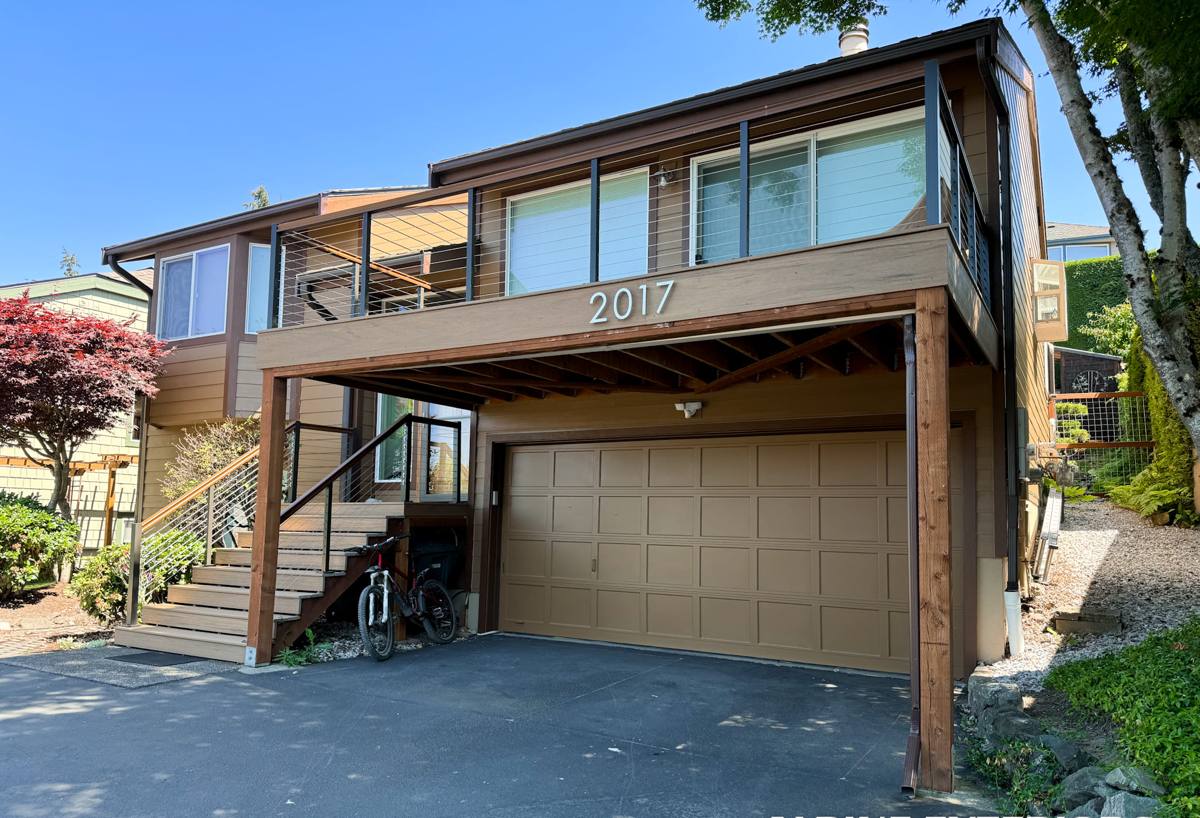
Signs Your Roof Is Ready for Replacement
Most roofs in this area don't fail all at once — they show warning signs for a year or two before a leak actually shows up inside the house. Catching those signs early gives you time to plan a replacement on your schedule instead of scrambling after a storm.
- Shingles that are curling, cupping, or losing their granules in visible patches
- Moss or dark algae streaking that keeps coming back within a season or two of cleaning
- Soft or spongy spots when walking the roof, which usually means the decking underneath has taken on moisture
- Daylight visible through the roof deck from inside an attic or crawlspace
- Granules collecting in gutters or at downspout outlets
- A roof that's approaching or past the typical service life for its material — often 20-25 years for standard asphalt shingle in this climate
- Flashing around chimneys, skylights, or wall intersections that's visibly rusted, lifted, or gapped
Any one of these on its own might just call for a repair. Several at once, especially on an older roof, is usually a sign that patching individual spots will cost more over time than a straightforward replacement.
What a Correct Roof Replacement Involves Here
Full Tear-Off, Not a Layover
We remove the existing roofing down to the deck rather than installing new shingles over old ones. That's the only way to actually inspect the plywood or plank decking underneath, and in a damp coastal climate, hidden rot under a second layer is a common and expensive surprise if it isn't caught before the new roof goes on.
Deck Inspection and Repair
Once the old roofing is off, we check the decking for soft spots, delamination, and water staining, and replace any sections that don't provide a solid, nail-holding surface. Skipping this step is one of the most common shortcuts in the trade, and it's the one that causes problems five or ten years down the line.
Underlayment Built for Wind-Driven Rain
Given how much horizontal rain this area gets off the bay, we use synthetic underlayment with proper overlap and self-adhered ice-and-water membrane at the eaves, valleys, and any low-slope transitions. This is the layer that protects the house if wind ever drives water up under a shingle tab, and it's not optional in a coastal setting.
Flashing at Every Penetration
Chimneys, skylights, plumbing vents, and wall-to-roof transitions are where most leaks actually start — not in the open field of shingles. We install new step flashing, counterflashing, and pipe boots at every one of these points rather than reusing old flashing, since corroded or undersized flashing is a frequent source of slow leaks that go unnoticed until there's interior damage.
Choosing the Right Roofing Material for the Coast
There's no single "best" roofing material for every home — the right choice depends on your budget, your roof's pitch and exposure, and how much upkeep you want to take on. Here's how the common options compare for a property like yours near the water.
| Material | Typical Lifespan | Moss/Algae Resistance | Coastal Air Durability | Maintenance |
|---|---|---|---|---|
| Standard asphalt composition shingle | 20-25 years | Moderate; benefits from algae-resistant granules | Good with quality fasteners and flashing | Periodic moss removal recommended |
| Algae-resistant "cool roof" asphalt shingle | 25-30 years | Better; copper-infused granules slow regrowth | Good | Lower than standard shingle |
| Standing seam metal | 40-50+ years | Excellent; sheds moss and debris | Very good with proper coating and stainless fasteners | Low |
| Cedar shake | 20-30 years with upkeep | Poor without regular treatment | Requires more frequent maintenance in damp, salty air | High |
For most Silver Beach homes, we point people toward a quality algae-resistant asphalt shingle as the balance of cost, performance, and appearance, and toward standing seam metal when a homeowner wants to minimize long-term maintenance and is planning to stay in the home for decades. We generally steer away from untreated cedar shake in this specific microclimate — not because it's a bad product everywhere, but because sustained shade and moisture near the water shorten its practical life and raise the maintenance burden more than most homeowners want to take on.
Ventilation and Moisture: The Overlooked Half of the Job
A new roof covering installed over poor ventilation will underperform no matter how good the shingles are. In a climate this wet, trapped moisture in the attic condenses on the underside of the decking, which rots the deck from the inside and can void a shingle manufacturer's warranty even if the roofing itself is installed perfectly.
As part of a replacement, we check that intake venting at the soffits and exhaust venting at the ridge are balanced and unobstructed. On older homes it's common to find insulation blocking soffit vents, or a ridge vent that was never properly cut open along its full length. Fixing that during the tear-off, when the roof is already open, is far cheaper than diagnosing a moisture problem after the fact.
Our Roof Replacement Process
1. On-Site Assessment
We walk the roof and attic, check the decking condition where accessible, note the pitch and any tricky transitions, and talk through material options based on your home and budget.
2. Written Estimate
You get a clear, itemized estimate — material, tear-off, disposal, and any deck repair contingency — before any work starts. No surprise add-ons buried in the fine print.
3. Tear-Off and Deck Repair
Old roofing comes off, the deck gets inspected and repaired as needed, and the site is protected to keep debris out of landscaping and gutters.
4. Underlayment, Flashing, and Roofing Installation
Ice-and-water membrane and synthetic underlayment go down first, followed by new flashing at every penetration, then the roofing material itself, installed to manufacturer spec so your warranty stays intact.
5. Cleanup and Final Walkthrough
We magnet-sweep for stray nails, clear debris, and walk the finished roof with you before calling the job done.
Why a Crew That Already Works Silver Beach Matters
A roof replacement isn't just about installing shingles correctly — it's about knowing what this specific stretch of coastline does to a roof over time. A crew that's worked other homes in this neighborhood already knows which roof lines tend to trap moss, where wind off the bay hits hardest, and which older homes in the area were built with decking or ventilation that needs extra attention during a tear-off. That local pattern recognition is the difference between a roof that looks fine on installation day and one that actually holds up through a decade of Whatcom County winters.
It also matters for permitting and coordination — knowing the local permitting process, working efficiently around narrow lots or limited access common near the water, and being available if a warranty question comes up years later.
Keeping Your New Roof Performing After Installation
A correctly installed roof still needs some basic upkeep in this climate, especially through moss season:
- Keep gutters and downspouts clear so water isn't backing up under the roof edge
- Have moss and debris removed from the roof surface before it builds up thick enough to hold moisture against the shingles
- Trim back overhanging branches where practical to reduce shade and debris buildup
- Schedule a quick visual check after major windstorms to catch lifted flashing or shingles early
None of this needs to be elaborate, but a five-minute look a couple of times a year catches small issues while they're still small.
If your roof is showing any of the signs above, or you'd just like an honest read on how many years you have left before replacement makes sense, we're happy to take a look. Fill out the form below for a free, no-pressure estimate — we'll give you a straight answer, not a sales pitch.