 Fairhaven Siding
 Why Sunnyland Siding Wears Differently Than Siding Inland
Homes in Sunnyland sit inside one of the wettest, mossiest, most marine-influenced climates in Washington. Between the salt-laden air blowing in off Bellingham Bay, the driving rain that Whatcom County sees for months at a stretch, and a moss season that can run from fall through spring, siding here is under near-constant pressure. That combination doesn't just make siding look tired faster — it actively works its way into seams, fastener holes, and any spot where the water-resistive barrier has been compromised.
Salt air is corrosive to exposed metal fasteners and trim flashing, and it accelerates the breakdown of caulk and sealant joints faster than a dry inland climate would. Driving rain, especially wind-driven rain that hits siding at an angle instead of falling straight down, finds its way behind loose boards, open joints, and poorly lapped trim in ways that vertical rain never would. And moss — which thrives in the shade and moisture that's common on north-facing walls and under eaves in this part of Fairhaven — holds water against the siding surface long after a storm has passed, which is exactly the kind of prolonged moisture exposure that causes real damage underneath, not just cosmetic staining.
None of this means Sunnyland homes are doomed to constant siding problems. It means repairs here need to account for causes that a generic siding contractor working a drier climate might not think to check.
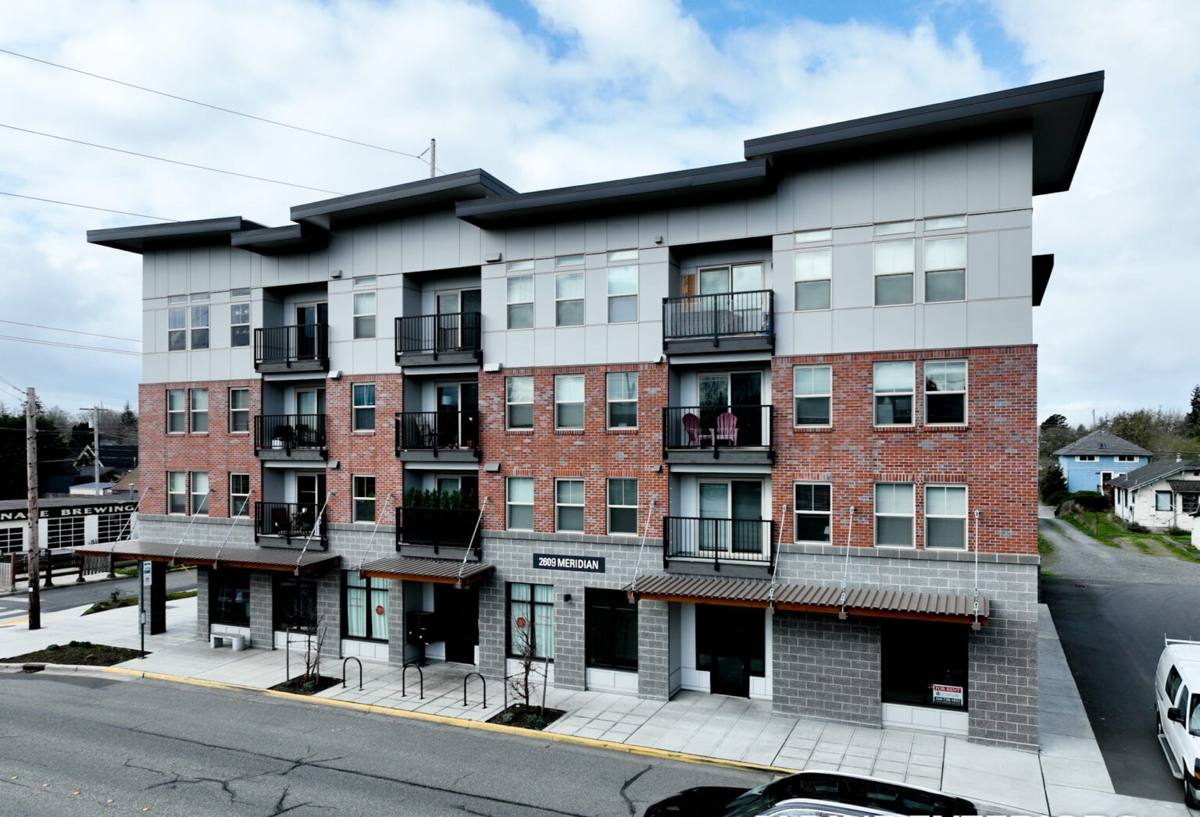
Signs Your Sunnyland Home Needs Siding Repair
Most siding problems don't show up as an obvious hole or a missing board. They show up as small clues that are easy to write off as cosmetic. Here's what we tell Sunnyland homeowners to watch for:
- Soft or spongy spots when you press on siding near the bottom of walls or below windows
- Dark streaking or persistent green-black staining, especially on shaded or north-facing walls
- Bubbling, peeling, or bulging paint that keeps coming back after repainting
- Visible gaps at seams, corners, or where trim meets siding
- Cracked or split boards, particularly around fastener locations
- Musty smell or visible mold on interior walls that share an exterior wall with damaged siding
- Rust streaks running down from fasteners or metal flashing
- Moss or thick algae buildup that's gotten heavy enough to hold water against the wall
Any one of these on its own might be minor. Several together, or any sign paired with soft wood underneath, usually means water has already gotten past the surface and the repair needs to address what's happening behind the siding, not just what's visible on it.
Why Small Problems Don't Stay Small Here
In a drier climate, a small gap or crack might sit for a year or two without causing real harm. In Whatcom County's wet season, that same gap is exposed to rain events regularly enough that moisture rarely gets a chance to fully dry out between storms. That's the core reason siding repair timing matters more here — a problem that would be cosmetic elsewhere can become a rot or sheathing issue in Sunnyland within a season or two if it's ignored.
What a Correct Siding Repair Actually Involves
A siding repair that just replaces the damaged board and moves on is treating the symptom, not the cause. Here's what we actually check and do on a proper repair.
Diagnosing the Real Cause First
Before any board comes off, we look at why that section failed. Was it a flashing detail that let water behind the siding? A caulk joint that dried out and cracked? A grade or gutter issue directing water at the wall? Moss or debris holding moisture against the surface long-term? Repairing the visible damage without fixing the underlying cause just means the same spot fails again in a year or two.
Checking What's Behind the Siding
Once damaged boards are pulled, we inspect the water-resistive barrier (the house wrap or building paper) and the sheathing underneath. If moisture has gotten past the siding, it's often gotten past the barrier too. Any compromised wrap gets repaired or replaced, and any soft or damaged sheathing gets addressed before new siding goes back on — patching over rotten sheathing is one of the most common shortcuts that leads to repeat failures.
Getting the Water Management Details Right
Flashing above windows and doors, proper lap sequencing so upper courses shed water over lower ones, and correctly sealed penetrations (vents, hose bibs, light fixtures) matter more in a driving-rain climate than almost anywhere else in the country. A repair that skips these details might look fine the day it's finished and still fail the next major storm.
Matching Materials and Finish
For a repair to actually blend in, the replacement material needs to match the existing siding's profile, exposure, and finish as closely as possible. This is one area where James Hardie's factory-applied ColorPlus finish has a real advantage over field-painted siding — a properly matched ColorPlus repair holds its color consistently, where a field-painted patch on other materials is more likely to weather at a different rate than the surrounding siding and become visible over time.
Repair vs. Replace: How We Help You Decide
Not every damaged section needs a full re-side, and not every repair is worth doing if the underlying siding is failing broadly. Here's the general framework we use when we're standing in front of a Sunnyland home:
| Factor | Leans Toward Repair | Leans Toward Replacement |
|---|---|---|
| Extent of damage | Isolated to one or a few sections | Spread across multiple walls or elevations |
| Underlying material | Fiber cement or sound wood, structurally intact | Widespread rot, delamination, or failed original installation |
| Age of siding | Well within expected service life | At or past the end of its practical lifespan |
| Cause of failure | A fixable, isolated detail (flashing, caulk, one bad board) | A systemic issue (wrong product for climate, poor original install) |
| Moss/moisture history | First occurrence, manageable with cleaning and maintenance | Chronic, recurring moisture damage across the home |
We'll always give you an honest read on which category your home falls into. There's no reason to sell a Sunnyland homeowner a full re-side when a targeted repair will genuinely hold up — and no reason to keep patching a wall that's failing everywhere at once.
Why We Only Repair and Install James Hardie Fiber Cement
We install exclusively James Hardie fiber cement siding, and that standard shapes how we approach repairs too. Fiber cement doesn't absorb water the way wood does, and it's non-combustible — both of which matter in a climate where moisture exposure is constant and long moss/algae seasons keep surfaces damp for extended stretches. When we're repairing an existing Hardie installation, replacement material comes from Hardie's climate-engineered HZ product lines, and where an existing home has non-Hardie siding that's failing repeatedly in the same spots, we'll always tell you honestly if the underlying product — rather than the workmanship — is the real reason the problem keeps coming back.
We don't install vinyl, LP SmartSide, Cemplank, Allura, primed spruce, or cedar, and that's a deliberate standard, not an oversight. Each of those products has real strengths, but in the maintenance demands, moisture behavior, or long-term warranty terms that matter most in a wet marine climate like Whatcom County's, we've found Hardie fiber cement to be the product we're comfortable standing behind on Sunnyland homes for the long haul.
Our Siding Repair Process
- On-site inspection. We look at the damaged area and the surrounding siding, check for moisture behind the surface, and identify the root cause.
- Honest scope and estimate. You get a clear explanation of what's being repaired, why, and what it will cost — no pressure toward a bigger job than the home needs.
- Removal and inspection behind the siding. Damaged boards come off, and we check the water-resistive barrier and sheathing before anything goes back on.
- Repair the water management details. Flashing, sealant, and barrier repairs happen before new siding is installed, not as an afterthought.
- Install matched material. New Hardie boards are installed to match the existing profile, exposure, and finish, following manufacturer specifications for fastening and clearances.
- Final check. We walk the repair with you and point out anything worth keeping an eye on going forward.
Moss, Algae, and Keeping a Repair From Becoming a Repeat Job
A good repair can still fail early if the conditions that caused the original damage aren't addressed. In Sunnyland's shaded, moisture-heavy pockets, that usually means dealing with moss and algae buildup as ongoing maintenance, not a one-time cleanup.
- Trim back vegetation and branches that keep a wall shaded and damp longer than the rest of the house
- Rinse moss and algae off siding surfaces before it builds up thick enough to hold standing moisture
- Keep gutters clear so overflow isn't running down the wall behind the siding
- Check caulk joints annually, since Whatcom County's freeze-thaw swings and salt air both accelerate sealant breakdown
- Watch the same spot that failed before for the first season or two after a repair, since it's the most likely place for a related issue to resurface
None of this is complicated, but it's the kind of maintenance that gets skipped when nobody points it out. We'll flag the specific conditions on your property, rather than handing you a generic list.
Why Hiring a Crew That Already Works in the Fairhaven Area Matters
Siding repair isn't a one-size-fits-all trade. A crew that mostly works drier inland climates may not think to check for the flashing and moss-related causes that are routine in Fairhaven and the surrounding Whatcom County neighborhoods, including Sunnyland. Working this area regularly means we're familiar with how the local combination of salt air, wind-driven rain, and long wet seasons actually shows up on siding — which details tend to fail first, which walls take the worst of it, and what a repair here needs to hold up through another wet season rather than just look finished on installation day.
If you're seeing staining, soft spots, gaps, or recurring moisture issues on your Sunnyland home's siding, we're happy to take a look and give you a straightforward, no-pressure read on what's going on and what it would take to fix it right. Reach out using the form below for a free estimate.