 Fairhaven Siding
 Roofing a Sehome Home in a Wet, Salt-Air Climate
Sehome sits close enough to Bellingham Bay to pick up salt-laden air, and close enough to the hillside tree cover around Sehome Hill to stay shaded and damp for long stretches of the year. That combination is hard on a roof. Salt air accelerates corrosion on exposed metal fasteners and flashing. Driving rain off the water finds every weak seam in an underlayment or flashing detail. And a long, cool moss season means organic growth gets a foothold on any roof that isn't detailed and maintained correctly. None of this is exotic weather - it's the normal cost of living in Whatcom County near the water. But it does mean a roof built to a generic spec, rather than to this specific climate, tends to show problems years before it should.
An asphalt shingle roof is still one of the most practical choices for most homes in this neighborhood, but only when it's installed with this climate in mind - correct underlayment layering, sealed penetrations, real attic ventilation, and flashing that won't corrode prematurely from salt exposure. Get those details right and a shingle roof holds up well here for decades. Skip them and you're looking at leaks, moss colonies, and premature granule loss well before the shingles are actually worn out.
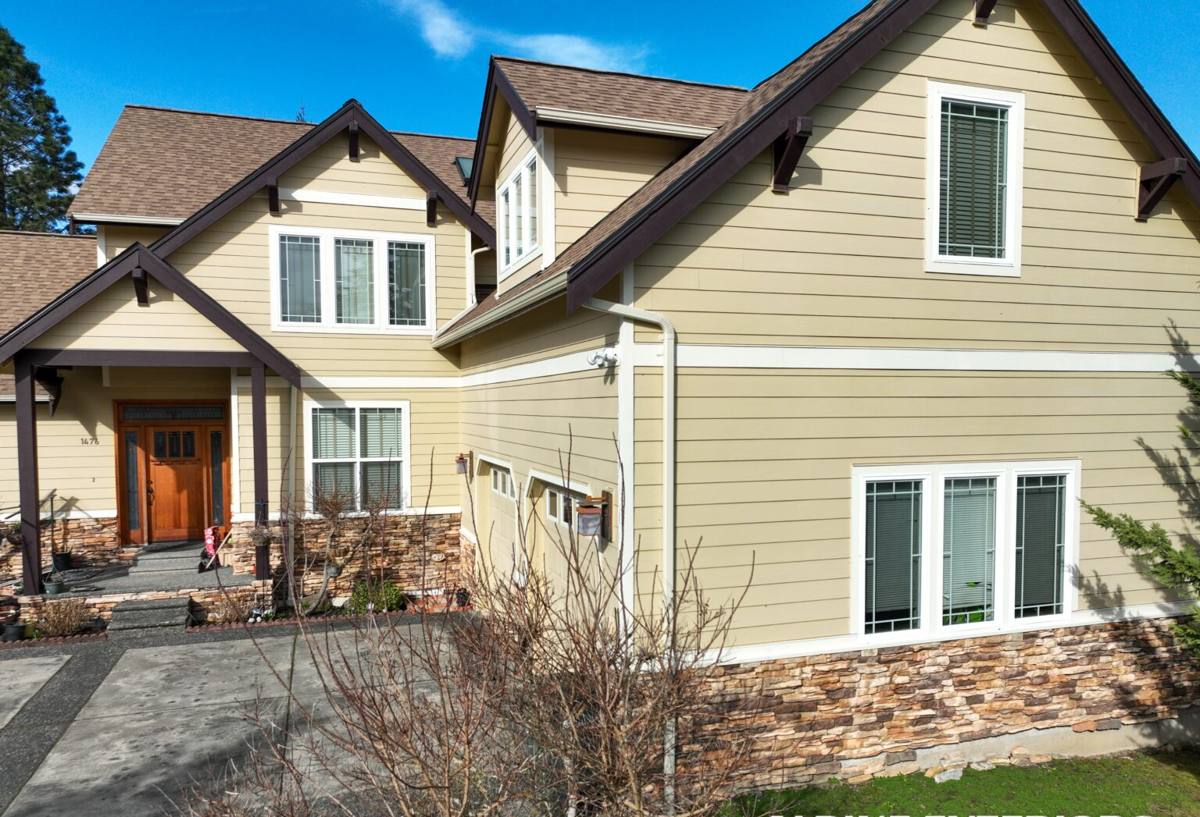
Why Asphalt Shingles Still Make Sense for Sehome
Homeowners sometimes ask whether they should skip asphalt shingles altogether given how wet it gets here. In most cases, no - asphalt remains a sound choice for Sehome's mix of older bungalow and craftsman-style homes and newer infill construction. It's proven, it's repairable in sections rather than requiring whole-roof replacement for isolated damage, and modern architectural shingles are built with algae-resistant granules specifically for climates like this one.
The trade-off isn't the material - it's the installation. A shingle roof fails early here for one of a small number of reasons: underlayment that wasn't lapped correctly for our rain direction, nail patterns that missed the strike zone, flashing that wasn't tied into the underlayment properly at valleys and walls, or attic ventilation that was never balanced, which traps moisture underneath the deck. We treat those details as the actual job, not an afterthought to laying shingles.
Where a Standard Install Falls Short Here
- Underlayment lapped without accounting for wind-driven rain direction off the water
- Valley flashing that relies on shingles alone instead of a proper metal or ice-and-water lined valley
- Nailing high or at an angle, which lets wind and driving rain work a shingle loose over a few seasons
- Attic ventilation left unbalanced, so warm moist air condenses under the deck and rots sheathing from beneath
- Pipe boots and flashing left unsealed at the collar, a common source of slow leaks that don't show up until ceiling stains appear
What a Correct Asphalt Shingle Roof Job Involves
A proper tear-off and reroof isn't just stripping old shingles and nailing down new ones. On a Sehome home, we treat it as a full system:
- Tear-off and deck inspection - removing the old roofing down to the sheathing so we can actually see the deck condition, not guess at it from the attic
- Sheathing repair - replacing any soft or delaminated plywood or plank decking before anything new goes down
- Ice-and-water shield at eaves, valleys, and any low-slope transitions, since these are the spots where standing water and wind-driven rain do the most damage
- Synthetic underlayment across the field, lapped and fastened to shed water correctly given our prevailing wind and rain direction
- New flashing at all walls, chimneys, skylights, and valleys - we don't reuse old flashing on a full reroof
- Balanced ventilation - intake at the eaves and exhaust at the ridge, sized to the attic volume, so moisture has somewhere to go
- Correct nailing in the manufacturer's strike zone, by hand-checked crews, not just by pattern habit
- Cleanup and magnetic sweep of the yard and driveway for stray nails
Every one of those steps matters more here than it would in a drier climate, because this region gives water more chances to find a mistake and more months of the year to work on it.
Sehome's Housing Stock and What It Means for Your Roof
Sehome has a fair number of older homes with steeper, more complex roof lines - hips, valleys, and dormers - alongside newer construction with simpler gable rooflines. Complex rooflines aren't a problem for asphalt shingles, but they do mean more linear feet of valley and flashing detail per square of roof, which is exactly where installation quality shows up first. On older homes we also commonly find outdated ventilation - sometimes none at all beyond gable vents - which was fine for the original roof but isn't enough for a modern shingle warranty or for keeping moss from taking hold on the shaded, tree-covered sections of roof common in this part of Bellingham.
Homes tucked under mature trees near the Sehome Hill area tend to hold moisture and debris on the north- and shade-facing slopes of the roof longer than homes in open sun. That's not a reason to avoid asphalt shingles - it's a reason to make sure the install includes algae-resistant shingles and that gutters and valleys are detailed so debris doesn't dam water against the shingle edge.
Moss, Algae, and Long-Term Maintenance
Why Moss Season Runs Long Here
Whatcom County's cool, wet stretch from fall through spring gives moss and algae months to establish themselves on a roof that isn't shedding water and drying out between rain events. Moss isn't just cosmetic - as it grows, it holds moisture against the shingle surface and can lift shingle edges, which is exactly the opening wind-driven rain needs to get underneath.
What Actually Reduces It
Algae-resistant shingles (built with copper- or zinc-infused granules) are a real, warrantied defense against the black streaking common on north-facing slopes here, and we recommend them on most Sehome reroofs as standard practice rather than an upsell. Beyond the shingle itself, keeping trees trimmed back from the roofline, keeping gutters clear so water isn't held against the eaves, and a light annual inspection go a lot further here than they would in a drier region. We don't recommend pressure washing a roof - it strips granules and shortens shingle life - and we're upfront about that trade-off rather than offering it as a quick fix.
Choosing the Right Shingle for This Climate
Not every asphalt shingle product is built the same way, and the right choice depends on how much wind exposure and moss risk your particular roof faces. Here's how the common tiers compare for a home in this area:
| Shingle Type | Typical Lifespan Here | Best For | Cost Factor |
|---|---|---|---|
| 3-tab | 15-20 years | Budget reroofs, simple gable roofs | Lowest |
| Architectural (laminate) | 25-30 years | Most Sehome homes; better wind rating and appearance | Moderate |
| Algae-resistant architectural | 25-30 years | Shaded, tree-covered, or north-facing roof sections | Moderate, small upcharge |
| Premium/impact-resistant | 30-50 years | Steep or complex rooflines, longer-term hold | Highest |
For most homes in this neighborhood, an architectural shingle with algae-resistant granules is the practical middle ground - meaningfully better wind and moisture performance than 3-tab, without paying for a premium tier the roof geometry doesn't need.
Our Process, Start to Finish
- On-site inspection - we look at the deck condition (where visible), attic ventilation, flashing points, and roof geometry before quoting anything
- Written estimate - a clear scope with shingle options, ventilation plan, and flashing details spelled out, not a one-line price
- Scheduling around weather - we plan tear-off days to minimize how long a deck sits exposed, which matters more here than in a dry climate
- Tear-off, deck repair, and full system install - underlayment, ice-and-water shield, flashing, shingles, ventilation
- Final walkthrough - we go over the completed roof and ventilation with you before calling the job done
- Cleanup - full site and magnetic nail sweep
Cost Factors on a Sehome Reroof
Every roof is different, but the same handful of factors drive most of the price difference between jobs in this neighborhood:
| Factor | Why It Matters Here |
|---|---|
| Roof complexity (valleys, dormers, hips) | More flashing and cutting labor, common on older Sehome rooflines |
| Deck condition | Rot from past moisture problems means sheathing replacement before shingles go down |
| Ventilation upgrades | Older homes often need added intake or exhaust vents to meet current standards |
| Shingle tier chosen | Algae-resistant and premium lines cost more per square but reduce moss-related callbacks |
| Tree cover and access | Overhanging branches and tight lots can add setup and cleanup time |
Why Hire a Crew That Already Works in Sehome
A roof crew that only sees this neighborhood occasionally will often install to a generic spec and move on. A crew that works Sehome and the surrounding Bellingham area regularly already knows which roof lines tend to have ventilation shortfalls, which shaded slopes need algae-resistant shingles as a matter of course rather than an add-on, and how to sequence a tear-off around this area's rain patterns instead of getting caught with an open deck. That local familiarity shows up less in the sales pitch and more in the parts of the job you can't see once the shingles are down - the underlayment lapping, the valley flashing, the nailing. Those are exactly the details that determine whether a roof performs for its full expected life in a salt-air, high-rainfall climate or starts leaking a decade early.
If your roof is showing granule loss in the gutters, moss on the shaded slopes, or you're just planning ahead for a home in Sehome, we're happy to take a look and give you an honest read on what it needs. Reach out for a free, no-pressure estimate using the form below.