 Fairhaven Siding
 Roofing in Happy Valley: A Different Set of Demands
Happy Valley sits close enough to the water that homes here take a different kind of weathering than roofs just a few miles inland. Salt-laden air off Bellingham Bay accelerates corrosion on anything metal — fasteners, flashing, vent caps, valleys. Driving rain, often pushed sideways by wind off the water, finds every weak lap and undersized flashing detail a roof has. And the long stretch of gray, wet months each year gives moss and moisture more time to work into a roof than most parts of the country ever see. A roof replacement here isn't just about swapping old shingles for new ones — it's about building a system that's specifically suited to what Whatcom County throws at it.
We've replaced roofs throughout Fairhaven, including plenty in and around Happy Valley, so we're not guessing at what holds up here and what doesn't. This page walks through what a correctly done roof replacement looks like for this neighborhood, what tends to go wrong when it's rushed or done with the wrong materials, and how our process works from first look to final walk-through.
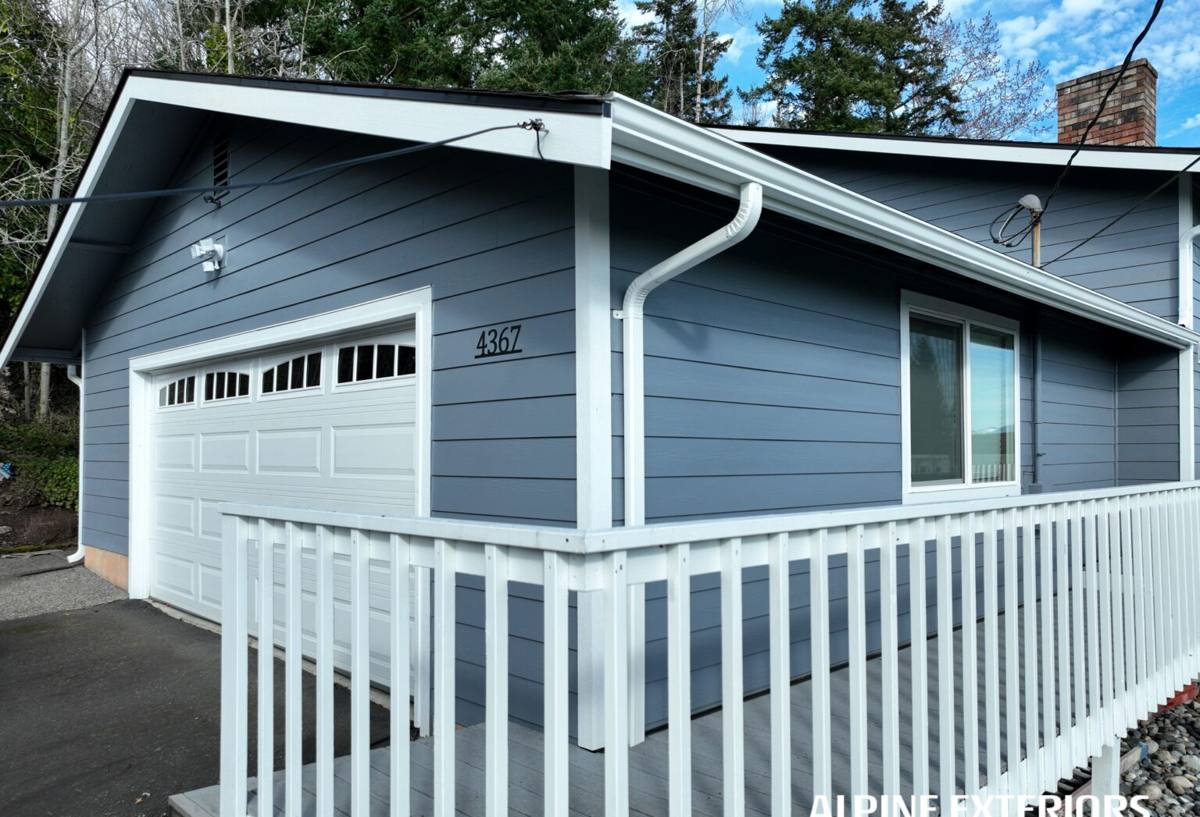
What Happy Valley's Climate Actually Does to a Roof
Salt Air and Corrosion
Coastal salt air is hard on unprotected or lower-grade metal. Standard electro-galvanized nails, cheap step flashing, and bargain vent boots corrode faster here than they would twenty miles inland. That corrosion isn't cosmetic — once fasteners start to weaken or flashing seams pit through, water finds a way in. We spec corrosion-resistant fasteners and flashing for coastal work as a matter of course, not as an upsell.
Driving Rain and Wind-Driven Water
Wind off the bay doesn't let rain fall straight down — it drives it sideways and up under laps, edges, and poorly sealed penetrations. A roof that would be fine with average rainfall inland can leak here if the underlayment, ice-and-water membrane placement, and flashing details aren't built for wind-driven exposure. This is one of the most common causes of "mystery leaks" we get called out to inspect on older Happy Valley roofs.
Moss and Extended Moisture Season
Whatcom County's wet season runs long, and shaded, north-facing roof sections in tree-heavy pockets of Happy Valley barely dry out between storms. Moss doesn't just look bad — its root structure lifts shingle tabs and holds water against the roof deck, which shortens the life of the roofing material and can lead to deck rot underneath. A roof replacement is the right time to address moss-prone areas properly, rather than continuing to scrape and treat a roof that's fighting a losing battle.
Signs a Happy Valley Roof Needs Replacing, Not Patching
- Granule loss showing as bald or shiny patches on asphalt shingles, especially on south- and west-facing slopes
- Moss buildup that returns within a season or two of cleaning, particularly on shaded roof planes
- Curling, cupping, or cracked shingles, most visible after a stretch of dry weather
- Rusted or corroded flashing around chimneys, skylights, and roof-wall intersections
- Soft spots or sagging when walked, which usually points to deck damage underneath
- Interior water stains on ceilings or in the attic that show up during or after wind-driven rain
- A roof that's simply reaching the end of its expected service life for its material type
Patching can buy time on a roof with an isolated problem, but once several of these signs show up together, patch-and-repair usually costs more over a few years than a properly done replacement — and it doesn't stop the underlying moisture cycle that's already damaging the deck.
What Goes Into a Correct Roof Replacement Here
Tear-Off and Deck Inspection
We remove the existing roofing down to the deck rather than layering over old material — layering hides deck damage and shortens the life of the new roof. With Fairhaven's moisture exposure, deck inspection matters more than in drier climates; any soft, delaminated, or rotted sheathing gets replaced before anything new goes down. Skipping this step is one of the most common shortcuts in the trade, and it's the one most likely to cause an early failure.
Underlayment and Ice-and-Water Protection
Synthetic underlayment gives better wind and water resistance than old-style felt, which matters directly for driving-rain exposure. We also run self-adhering ice-and-water membrane at eaves, valleys, and around penetrations — the areas most prone to wind-driven water intrusion — as standard practice for coastal Whatcom County homes, not as an optional add-on.
Flashing Built for Salt Air
Flashing is where most roof leaks actually start, and it's where coastal corrosion does the most damage over time. We use flashing and fastener materials chosen for durability in salt-air conditions at chimneys, skylights, sidewalls, and valleys, with proper step and counter-flashing techniques rather than reliance on sealant alone. Sealant fails; correctly lapped and integrated flashing doesn't depend on it to keep water out.
Ventilation
Proper intake and exhaust ventilation keeps the attic dry and temperature-balanced, which reduces moisture buildup on the underside of the deck — a real factor during Whatcom County's long wet season. Poor ventilation also shortens shingle life from the inside out by trapping heat and moisture against the underlayment.
Material Selection for Moss and Moisture Exposure
On roof sections with heavy tree cover or persistent shade, algae- and moss-resistant shingle products (typically copper- or zinc-impregnated granules) make a real difference in how long a roof stays clean between maintenance cycles. We'll walk through where that upgrade makes sense on your specific roof rather than applying it blanket-wide where it isn't needed.
Comparing Roofing Options for a Happy Valley Home
| Material | Typical Lifespan | Coastal/Moss Considerations |
|---|---|---|
| Architectural asphalt shingle | 25–30 years | Good value; moss-resistant granule options recommended for shaded slopes |
| Standing seam metal | 40–50+ years | Sheds moss and moisture well; requires corrosion-rated fasteners and coatings for salt air |
| Composite/synthetic shingle | 30–50 years | Resists moisture absorption; good option where moss pressure is high |
| 3-tab asphalt shingle | 15–20 years | Lower upfront cost, but shorter service life under coastal wind and moisture exposure |
There's no single "right" material for every home — roof pitch, tree cover, sun exposure, and budget all factor in. We'll go over these trade-offs specific to your roof during the estimate rather than pushing one product for every job.
Our Roof Replacement Process
- On-site inspection — we walk the roof (or use a drone where pitch or access requires it) and check attic ventilation and any visible interior signs of moisture
- Written estimate — a clear breakdown of material options, scope of work, and cost, with no pressure to decide on the spot
- Scheduling around weather — we plan tear-off and dry-in around Whatcom County's rain patterns to minimize the window your home is exposed
- Tear-off and deck repair — old material removed, deck inspected and repaired as needed before anything new goes on
- Underlayment, flashing, and ventilation installed — the details that determine whether the roof actually performs in coastal weather
- New roofing installed to manufacturer specifications, with attention to the wind and rain exposure specific to your roof's orientation
- Final walk-through and cleanup — including magnetic sweep for stray fasteners and a review of workmanship and material warranties
Why It Matters That We Already Work in Happy Valley
A crew that's replaced roofs throughout Fairhaven knows which slopes in this area tend to hold moss, which flashing details fail first under wind-driven rain off the bay, and how tree cover in different pockets of Happy Valley affects roof drying time. That's not something you get from a general contractor who occasionally does roofing outside their usual territory. It shows up in the details — where extra ice-and-water membrane goes, which fastener spec to use, how ventilation is balanced for a shaded roof plane — the things that separate a roof that lasts its full expected lifespan from one that starts leaking in year eight.
We're licensed and insured to work in Washington, and we stand behind our workmanship in addition to passing along the manufacturer's material warranty. Local reputation matters in a community like this one, and we don't take shortcuts we wouldn't want a neighbor to find out about.
Maintaining Your Roof After Replacement
- Have moss and debris cleared from shaded roof sections at least once a year, more often under heavy tree cover
- Keep gutters clear so water isn't backing up under the eave edge during heavy rain
- Trim back overhanging branches to reduce shade, debris buildup, and physical damage risk
- Check attic ventilation periodically, especially before and after the wettest months
- Have flashing and penetrations inspected every few years, since that's where coastal corrosion shows up first
A well-installed roof still benefits from basic upkeep — it's a far smaller time and cost commitment than dealing with a preventable leak later.
Get a Free, No-Pressure Estimate
If your Happy Valley roof is showing its age, holding moss it shouldn't, or you just want an honest read on how much life it has left, we're happy to take a look. The estimate is free, there's no obligation, and we'll give you a straight answer — even if that answer is "you've got a few more years in it." Reach out using the form below to get started.