 Fairhaven Siding
 Why Siding Takes a Beating in Puget
Homes in the Puget area near Fairhaven sit close enough to the water that salt air is a daily fact of life, not an occasional nuisance. Combine that with wind-driven rain off the Sound, long stretches of overcast damp weather, and shaded lots where moss and algae never really stop growing, and you have one of the harder climates in Whatcom County for exterior siding to survive long-term. Materials that hold up fine in a drier inland town start showing problems here in half the time.
Salt-laden air accelerates corrosion on fasteners and metal trim, and it degrades paint films faster than plain rain does. Driving rain finds every gap, seam, and poorly flashed penetration, pushing moisture behind the cladding instead of letting it run off the face. And because so many Puget-area lots have tree cover and limited afternoon sun, north- and west-facing walls stay damp long enough for moss and algae to take hold and spread across a season, not just a few weeks.
None of that means siding is doomed here — it means the product and the installation both have to be chosen for this specific exposure, not for a generic Pacific Northwest average.
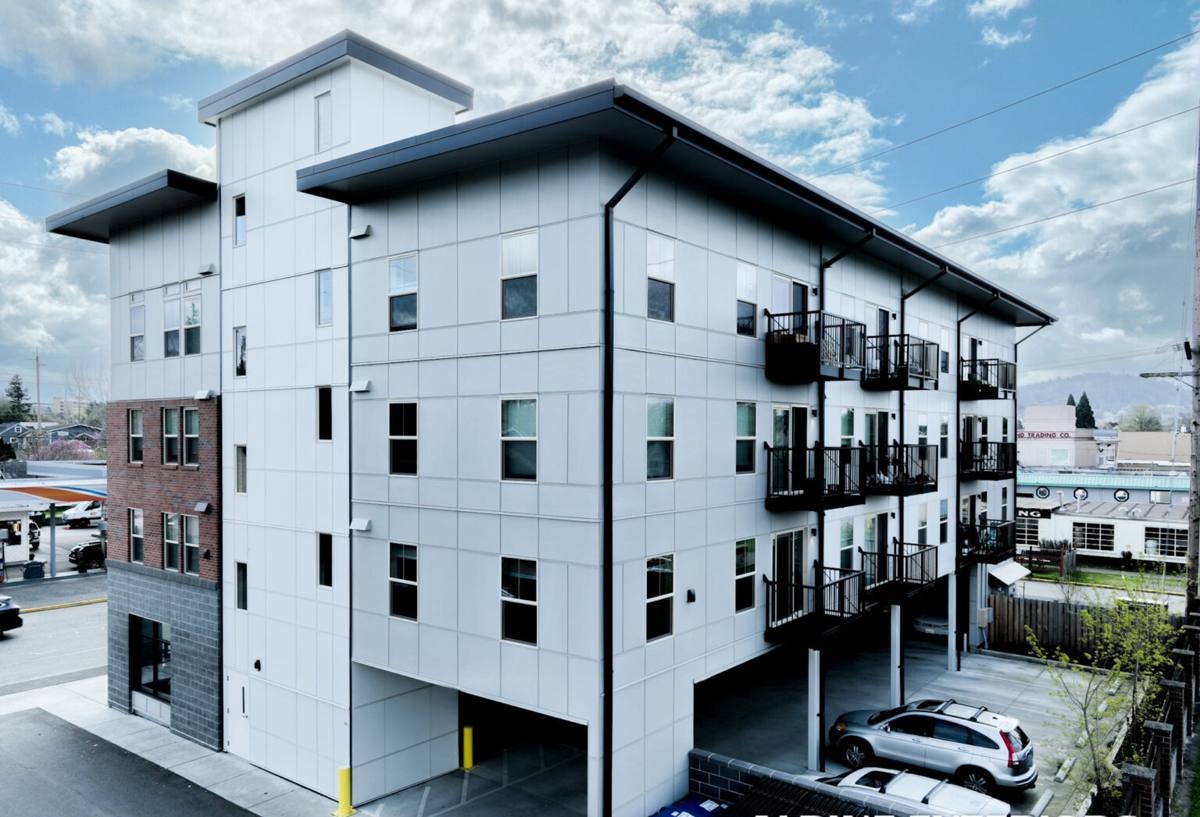
Why We Only Install James Hardie Fiber Cement
We made a deliberate decision to install James Hardie fiber cement siding exclusively, and we don't apologize for it. Vinyl, LP SmartSide, primed spruce, cedar, and other fiber cement brands each have real strengths, and we're not going to pretend otherwise. But every one of them asks a homeowner to accept a trade-off — expansion and contraction that stresses seams, wood-based substrates that are vulnerable to sustained moisture, or field-applied paint that has to be maintained on a schedule most people don't keep up with. In a climate like this one, those trade-offs show up faster and cost more to fix.
James Hardie fiber cement is non-combustible, doesn't support rot the way wood-based products can, and is engineered specifically for climate exposure through its HZ product designations. The Pacific Northwest falls under Hardie's HZ5 engineering, which accounts for the freeze-thaw cycling, sustained moisture, and damp-climate performance this region actually experiences. Add ColorPlus factory-applied finish — baked on in a controlled environment rather than brushed on-site — and you get a finish that resists fading and doesn't depend on catching a dry week to cure properly, which around here is not something you can count on.
What a Correct Installation Actually Involves
Fiber cement siding is only as good as the wall assembly behind it. Most of the siding failures we get called out to inspect in this region trace back to installation shortcuts, not the material itself.
Moisture Management Behind the Siding
Every Hardie installation needs a functioning drainage plane — a weather-resistant barrier plus a means for incidental moisture to drain and evaporate rather than sit against the sheathing. In a high-rainfall, salt-air environment, skipping or shortcutting this layer is where slow, hidden damage starts, often years before it's visible from the outside.
Flashing and Clearances
Windows, doors, deck ledgers, and roof-to-wall intersections are where water intrusion actually happens. Correct step flashing, kick-out flashing at roof lines, and proper head flashing above openings matter more than the siding profile itself. Hardie also specifies minimum clearances from grade, roof lines, and decks — clearances that get ignored more often than you'd expect, and that matter even more where driving rain is common.
Fastening and Fastener Selection
Near saltwater, fastener corrosion resistance isn't optional. We use fasteners rated for the exposure, set to Hardie's specified depth and spacing — overdriven or underdriven nails are a leading cause of premature siding problems, and it's a detail that's easy to rush and hard to catch after the fact.
Joints, Gaps, and Caulking
Hardie's installation instructions specify gap tolerances at butt joints and trim intersections, along with which joints should be caulked and which should be left to shed water naturally. Sealing the wrong joint can trap moisture instead of releasing it — a mistake that looks fine on installation day and causes problems two winters later.
Installation details worth confirming before work starts:
- Weather-resistant barrier and drainage plane installed per manufacturer spec, not just "wrapped and taped"
- Flashing at every window, door, and roof-to-wall intersection — not just caulk substituting for flashing
- Correct minimum clearances from grade, decks, patios, and roof surfaces
- Fasteners rated for coastal/salt-air exposure, set at proper depth and spacing
- Butt joints and trim gaps sized to Hardie's tolerances, with caulking only where specified
- Cut edges primed or sealed to protect against moisture wicking
Choosing the Right James Hardie Products for This Area
Not every Hardie product line is the right fit for every home, and part of doing this correctly is matching the product to the exposure and the architecture.
| Product | Best Use | Why It Fits Puget |
|---|---|---|
| HardiePlank Lap Siding | Most homes, traditional and modern styles | Widest range of profiles and ColorPlus colors; proven track record in wet coastal climates |
| HardiePanel Vertical Siding | Modern facades, accent walls, gable ends | Fewer horizontal joints for water to work into on exposed elevations |
| HardieShingle | Craftsman and cottage-style homes | Textured look without the moisture vulnerability of real cedar shingles |
| HardieTrim | Corners, window and door surrounds, fascia | Matches the siding's climate engineering instead of mixing in wood trim that ages differently |
ColorPlus finish is worth calling out on its own. In a climate where getting a dry, stable stretch of weather for field painting can mean waiting weeks, a factory-cured finish removes that variable entirely and gives a more even, longer-lasting result than site-applied paint typically achieves here.
Our Process, Start to Finish
- On-site inspection and estimate. We look at your current siding, wall assembly, and problem areas — not just square footage.
- Moisture and substrate assessment. Before quoting a number we care about, we check for hidden rot or water damage behind the existing siding, since that affects scope.
- Product and color selection. We help you choose the Hardie line and ColorPlus color that fits the home's style and this area's light and moisture conditions.
- Tear-off and sheathing repair. Old siding comes off, damaged sheathing gets replaced, and the drainage plane goes in correctly before anything new goes up.
- Installation to spec. Flashing, fastening, clearances, and joint gaps are done to Hardie's published instructions and local building code — not shortcuts.
- Final walkthrough. We go over the finished work with you before calling the job done.
Maintenance to Expect Living in Puget
James Hardie siding is low-maintenance, not no-maintenance, and being honest about that upfront saves homeowners frustration later. Shaded, north- and west-facing walls in this area will likely develop some moss or algae growth over a wet season — a soft wash on a low setting, without harsh pressure or abrasive scrubbing, is usually enough to keep it in check. Because of the salt air, an occasional rinse-down of the siding helps prevent salt residue buildup, especially on homes closer to the water. It's also worth periodically checking caulked joints around windows and trim, and keeping gutters and downspouts clear so runoff isn't splashing back onto the lower courses of siding.
What Influences the Cost of a Puget Hardie Siding Job
| Factor | Why It Matters |
|---|---|
| Home size and complexity | More wall area, dormers, and rooflines mean more material and labor |
| Condition of existing sheathing | Hidden rot or water damage found during tear-off adds repair scope |
| Product line and profile | Lap, panel, and shingle profiles vary in material and labor cost |
| Trim and detail work | Corner boards, window surrounds, and accent details take more time to do right |
| Site access | Steep lots, limited driveway access, or tight setbacks slow staging and installation |
We don't publish a flat per-square-foot number because these factors genuinely change the total, but we'll walk through them with you during the estimate so there are no surprises.
Why Hiring a Crew That Already Works This Area Matters
A crew that installs Hardie siding across different climates in the country will tell you the specification is the same everywhere — and technically it is. What differs is judgment: knowing which elevations in Puget need extra attention to flashing, understanding how quickly moss establishes on shaded walls here, and having already seen what happens when a wall assembly is exposed to a full wet season before the job is finished. That's the kind of thing you only learn by working this specific area, not by reading a spec sheet once.
- Ask how many Hardie installations they've completed in Whatcom County specifically, not just "the Pacific Northwest"
- Ask whether they're a certified James Hardie installer and what that certification actually covers
- Ask to see their approach to flashing and drainage planes before they quote a price
- Ask what fastener type they use and why, given the salt air exposure here
- Ask how they handle sheathing repair if it's found during tear-off, and how that affects the contract
If a contractor can't answer those questions specifically, that's worth knowing before they're on your roofline.
If you're weighing a siding replacement or new construction project in the Puget area near Fairhaven, we're happy to walk your home, look at what the current siding and wall assembly are dealing with, and put together a straightforward, no-pressure estimate. There's no obligation — just a clear look at what correct James Hardie installation would involve for your specific home.