 Fairhaven Siding
 Roofing in Sehome: A Different Set of Demands
Homes in Sehome sit in one of the more weather-tested parts of Whatcom County. Between the salt-laden air drifting in off the bay, wind-driven rain that comes at the roof sideways instead of straight down, and a moss season that seems to stretch longer every year, a roof here works harder than the manufacturer's warranty booklet usually accounts for. A new roof installation in this area isn't just about swapping old shingles for new ones — it's about building a roofing system that's matched to how this specific climate behaves over the next 20 to 40 years.
We install new roofs for homeowners throughout Fairhaven and the surrounding Sehome area, and the patterns repeat house after house: roofs that failed early usually weren't beaten by one big storm, they were worn down slowly by moisture that had nowhere to go and moss that was allowed to sit too long. Getting the installation right the first time is what prevents that.
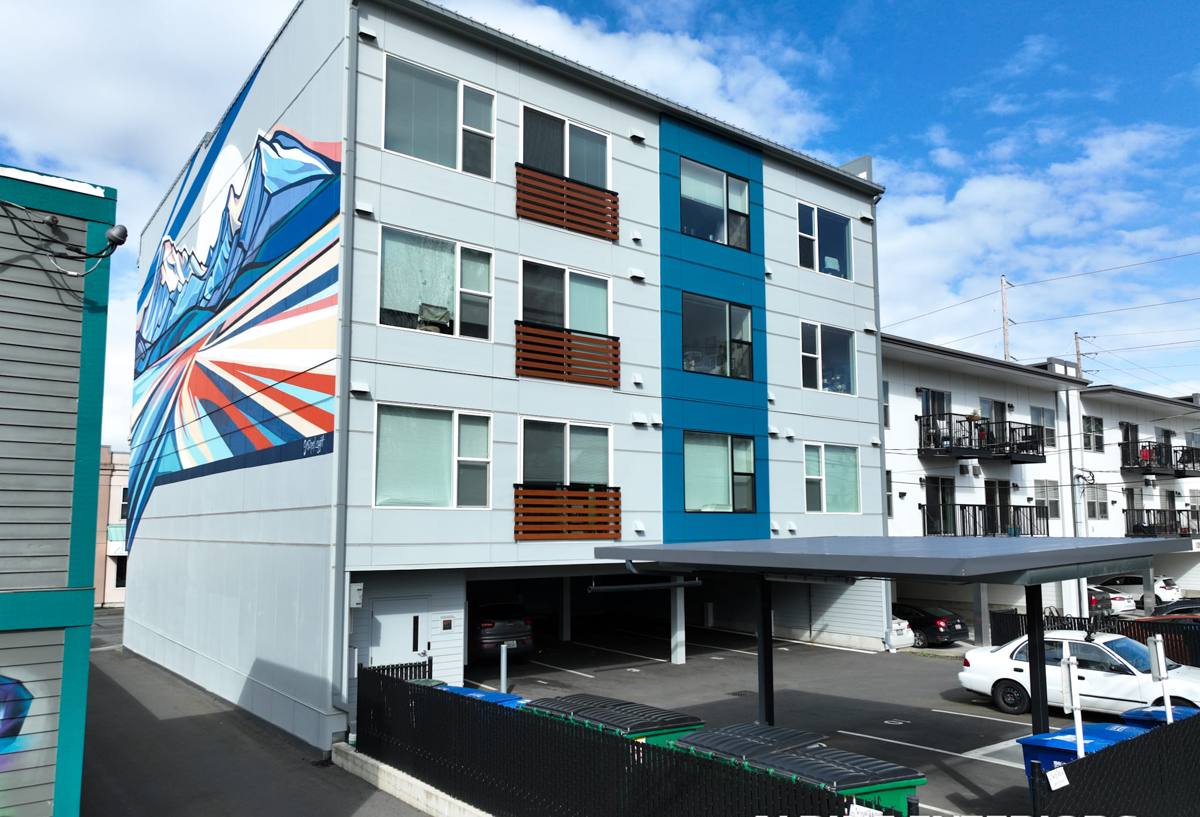
What Sehome's Climate Actually Does to a Roof
Three conditions define roofing performance in this part of Whatcom County, and each one shapes a different part of a correct installation.
Salt Air and Corrosion
Proximity to the water means airborne salt settles on exposed metal — flashing, fasteners, vents, and gutters — faster than it would further inland. Untreated or lower-grade metal components corrode years ahead of schedule, which is often the real reason a roof starts leaking around a chimney or vent pipe long before the shingles themselves are worn out.
Driving Rain
Storms here don't always drop rain straight down. Wind pushes it sideways and upward under eaves, into valleys, and behind poorly lapped flashing. A roof that would shed water fine in a calm rain can still leak in a Sehome windstorm if the underlayment and flashing details weren't built for wind-driven moisture in the first place.
Extended Moss Season
Shade, moisture, and mild temperatures are exactly what moss needs, and this area offers all three for a large part of the year. Moss doesn't just look bad — it holds water against the roof surface, lifts shingle edges as it grows, and accelerates granule loss. A roof installed without moss-resistant materials or proper airflow is fighting an uphill battle from day one.
Signs a Sehome Home May Need a New Roof
Not every roofing problem calls for full replacement, but certain signs mean patching is no longer the honest answer:
- Granules collecting in gutters or at the base of downspouts, indicating the shingle surface is breaking down
- Moss growth that returns within months of cleaning, especially on north-facing slopes
- Curling, cupping, or cracked shingles, particularly on slopes that get the most sun and wind exposure
- Soft spots in the decking, felt through foot traffic or visible sagging from the ground
- Daylight visible through the roof deck from inside the attic
- Interior water stains that appear or worsen after wind-driven storms specifically
- A roof approaching or past the 20-25 year mark for standard asphalt shingles in this climate
What a Correct Installation Actually Involves
A new roof is more than the shingles on top. In a climate like this one, the layers underneath matter as much as the surface.
Tear-Off and Deck Inspection
We remove the old roofing down to the deck rather than layering over it. This is the only way to find soft, rotted, or delaminated sheathing — problems that are common on older Sehome homes where past moisture intrusion went unnoticed under intact-looking shingles. Any damaged decking gets replaced before anything new goes down.
Underlayment and Moisture Barriers
Given how much wind-driven rain this area sees, we don't treat underlayment as an afterthought. Self-adhered ice-and-water shield goes at eaves, valleys, and around penetrations — the spots where wind can force water backward under the shingle line — with synthetic underlayment covering the rest of the deck for a consistent secondary water barrier.
Flashing and Metal Components
Given the salt exposure here, flashing quality is not a place to cut corners. We use corrosion-resistant metal at chimneys, sidewalls, valleys, and vent penetrations, installed with proper laps so wind can't drive water behind them.
Ventilation
Balanced intake and exhaust ventilation keeps the attic dry and temperatures even, which reduces the trapped moisture that feeds moss and premature shingle aging from underneath. It also protects the roof's warranty, since most manufacturers require adequate ventilation to honor their coverage.
Choosing the Right Material for This Climate
There's no single "best" roofing material — the right choice depends on budget, roof pitch, and how much moss and moisture resistance matters to the homeowner. Here's how the common options compare for a home in this area:
| Material | Typical Lifespan Here | Moss Resistance | Maintenance Needs |
|---|---|---|---|
| Standard architectural asphalt shingles | 20-25 years | Moderate; benefits from moss-resistant granules | Periodic cleaning, gutter checks |
| Algae/moss-resistant asphalt shingles | 25-30 years | Good, thanks to copper or zinc granules | Lower, but not maintenance-free |
| Standing seam metal roofing | 40-plus years | Very good; smooth surface sheds moss growth | Low; occasional fastener and sealant checks |
| Cedar shake | 20-30 years with upkeep | Poor without diligent maintenance | High; regular treatment and moss removal required |
We steer most Sehome homeowners toward moss-resistant asphalt or metal, not because other materials can't work, but because they hold up with less ongoing intervention in a climate that gives moss every advantage. Cedar can still be the right call for homeowners who value the look and are committed to the maintenance it requires — that's a trade-off we'll walk through honestly rather than push one direction.
Our Installation Process
- On-site inspection and estimate — we assess the existing roof, decking condition, ventilation, and any moss or moisture issues before quoting anything.
- Material selection — we go over the trade-offs for your roof's pitch, sun exposure, and budget, without pressure toward the most expensive option.
- Scheduling around weather — given how much rain this area sees, we plan installation windows carefully and protect the open deck if conditions shift.
- Tear-off and deck repair — full removal of old material and replacement of any compromised sheathing.
- Underlayment, flashing, and ventilation installation — the layers that determine how the roof performs in wind-driven rain, not just calm weather.
- Final installation and detail work — shingles or panels, ridge caps, and all edge and penetration details finished to manufacturer specification.
- Cleanup and walkthrough — site cleared of debris and nails, with a final walkthrough so you understand what was done and how to maintain it.
Why Local Experience in Sehome Matters
A roofing crew that regularly works in Fairhaven and the surrounding Sehome area already knows which slopes tend to hold moss the longest, which flashing details fail first under wind-driven rain, and what Whatcom County permitting and inspection expects for a reroof. That familiarity shows up in fewer surprises during the job and a roof that's built for how weather actually behaves here, not a generic installation spec written for a drier climate. It also means a faster, more informed response if storm damage needs urgent attention rather than a long wait for someone unfamiliar with the area to work you into their schedule.
Caring for a New Roof After Installation
A well-installed roof still needs basic upkeep to reach its full lifespan in this climate:
- Clean gutters and downspouts at least twice a year so water isn't backing up under the roof edge
- Have moss growth treated or removed before it spreads, rather than waiting for a heavy buildup
- Trim back overhanging branches to reduce shade and debris that keep the roof damp
- Schedule a visual inspection every year or two, especially after major windstorms
- Address small flashing or sealant issues promptly before they become deck-level leaks
What Affects the Cost of a New Roof
Every roof is priced based on its own specifics, but these are the factors that move the number most:
| Factor | Why It Matters |
|---|---|
| Roof size and pitch | More surface area and steeper slopes require more material and labor time |
| Number of existing layers | Tear-off of multiple old roofing layers adds disposal and labor cost |
| Decking condition | Rotted or soft sheathing found during tear-off requires replacement before installation continues |
| Material choice | Standard asphalt, moss-resistant asphalt, and metal carry different material and installation costs |
| Ventilation upgrades | Adding or correcting intake and exhaust ventilation protects the new roof and its warranty |
| Roof complexity | Valleys, dormers, chimneys, and multiple penetrations each add flashing detail and labor |
We don't publish a flat price list because these factors vary too much house to house to make one meaningful — but we'll walk you through exactly what's driving your number during the estimate, in plain terms.
If your roof in Sehome is showing signs of age, holding onto moss it shouldn't, or you're just planning ahead before the next major storm season, we're happy to take a look. Fill out the form below for a free, no-pressure estimate and a straight answer about what your roof actually needs.