 Fairhaven Siding
 Siding in York Has to Handle More Than the Average Whatcom County Home
York sits close enough to the water and the weather patterns that come off Bellingham Bay that its siding takes a different kind of beating than a house further inland. Salt-laden air works on fasteners and finishes year-round. Wind-driven rain doesn't just run down a wall the way it does in calmer weather — it gets pushed sideways and up under laps, trim, and butt joints. And the long stretch of grey, wet months that defines a Pacific Northwest coastal winter gives moss, algae, and mildew months of uninterrupted growing time on anything that holds moisture.
None of that is unusual for this part of Washington. But it does mean the siding on a York home isn't just a cosmetic choice — it's a weather system that either sheds water and resists organic growth, or slowly lets both in. We install James Hardie fiber cement siding exclusively, and on a job in York that decision matters more than it would somewhere drier and more sheltered.
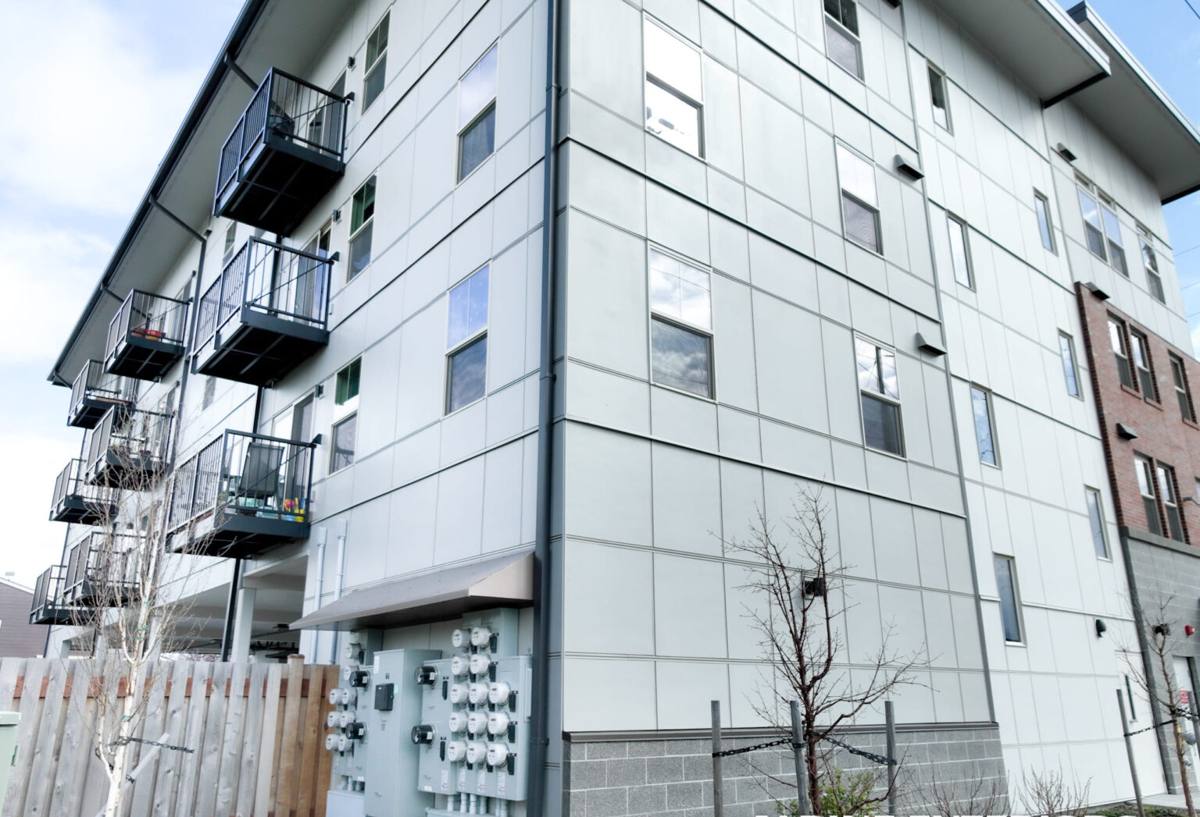
What Salt Air, Driving Rain, and Moss Actually Do to Siding
Salt Air and Coastal Exposure
Airborne salt is corrosive to metal fasteners and hardware, and it accelerates the breakdown of finishes that aren't formulated to resist it. Siding that relies on field-applied paint is especially exposed, since a coastal environment chews through a paint film faster than an inland one does, and a compromised finish is usually the first domino that leads to moisture getting into the material underneath.
Driving Rain and Water Management
Wind-driven rain is a water-management problem, not just a water-volume problem. It finds horizontal seams, exposed fastener heads, and any gap where flashing was skipped or shortcut. A siding system that isn't detailed correctly at those points doesn't fail all at once — it fails slowly, with water getting behind the cladding long before anything looks wrong from the street.
The Long Moss Season
Moss and algae need moisture, shade, and time, and this region hands them all three for months at a stretch. Wood-based and wood-composite sidings are especially vulnerable because the organic material itself is a food source once moisture gets a foothold. Even on non-organic materials, moss holds water against the surface and keeps a wall damp long after the rain has stopped, which is a problem for whatever is underneath the siding as much as the siding itself.
Why We Only Install James Hardie
We made the decision years ago to stop installing LP SmartSide, vinyl, cedar, primed spruce, and other fiber-cement alternatives like Cemplank or Allura, and to install James Hardie exclusively. That's not a marketing position — it's a standard we hold ourselves to because of what we've seen play out on real homes in this climate over time.
James Hardie fiber cement is non-combustible, which matters on its own merits. It's also engineered by climate zone — the HZ5 product line used in this region is formulated for the freeze-thaw and moisture cycles the Pacific Northwest sees, rather than a one-size-fits-all formula. The factory-applied ColorPlus finish is baked on under controlled conditions instead of brushed on in the field, which gives it far better resistance to fading, chipping, and the kind of coastal weathering that shortens the life of a field-applied paint job. And Hardie backs the product with a strong, transferable warranty structure, which matters to homeowners who plan to sell in the years ahead.
None of this means other products are without merit — vinyl is inexpensive, cedar has real appeal, LP SmartSide has its market. But for the specific combination of salt exposure, driving rain, and moss pressure that a York home deals with, we don't think those trade-offs make sense, and we'd rather install one product correctly than several products with reservations.
The Hardie Products We Use in York
Not every part of a home calls for the same profile. We match the product to the wall, the exposure, and the look the homeowner wants.
| Product | Best Use | Why It Fits This Climate |
|---|---|---|
| HardiePlank Lap Siding | Primary wall cladding | HZ5 formulation for freeze-thaw and moisture cycling; factory ColorPlus finish resists coastal fading |
| HardieShingle | Accent gables, dormers | Matches the Pacific Northwest cedar-shingle look without the moisture vulnerability of real wood |
| HardieTrim | Corners, window and door trim, fascia | Dense, water-resistant boards that hold paint and caulk lines longer than dimensional lumber |
| ColorPlus Technology | Factory finish across all lines | Baked-on finish stands up to salt air and UV far better than field-applied paint |
What a Correct Installation Involves
James Hardie siding performs the way it's rated to perform only when it's installed to the manufacturer's spec. In a climate that pushes water at a wall this often, the installation details matter as much as the product itself.
Weather-Resistive Barrier and Flashing
Everything starts with the water-resistive barrier and the flashing details around windows, doors, and any penetration through the wall. Flashing has to be layered so water always drains outward and down, never into a seam. Skipping or rushing this step is invisible on day one and expensive years later.
Fastening and Clearances
Hardie specifies fastener type, spacing, and placement, along with minimum clearances from grade, roof lines, and decks. In a salt-air environment, using the correct corrosion-resistant fasteners isn't optional — the wrong fastener can stain, corrode, and eventually compromise the board around it well before the siding itself would fail.
Joints, Caulking, and Touch-Up
Butt joints, corners, and trim intersections need to be detailed so they shed water rather than trap it, and any field-cut edges need to be sealed and touched up with the matching ColorPlus product so the factory finish's protection isn't compromised at every cut line.
Our Process, Start to Finish
- Assessment and estimate: We walk the home, look at current siding condition, water damage, trim, and exposure, and put together a clear scope and estimate — no pressure, no obligation.
- Prep and removal: Old siding comes off, the sheathing underneath gets inspected for rot or water damage, and any repairs are addressed before anything new goes up.
- Weather barrier and flashing: The water-resistive barrier and all flashing details go in first, since this is the layer that actually keeps water out over the long run.
- Installation: HardiePlank, HardieShingle, and HardieTrim go up to manufacturer spec — correct fasteners, correct clearances, correct joint detailing.
- Final walkthrough: We go over the finished job with the homeowner, touch up any field cuts, and make sure everything meets both Hardie's installation standard and our own.
What Affects the Cost of a James Hardie Job in York
Every home is different, and we don't quote a job without seeing it. But a few factors consistently move the price up or down, and it helps to know them before an estimate.
| Factor | Why It Matters |
|---|---|
| Removal and tear-off | Stripping old siding down to sheathing takes more labor than siding over an already-sound substrate, and hidden rot found during removal adds repair time |
| Home size and wall complexity | More square footage, more corners, dormers, and roof intersections all add installation time and material cuts |
| Product mix | Straight HardiePlank lap siding is more efficient to install than a mix of lap siding, shingle accents, and custom trim |
| Site access | Tight lots, slopes, and limited staging area near the water can slow down material handling and scaffolding |
| Underlying damage | Rotted sheathing or framing discovered once old siding comes off has to be repaired before new siding goes on |
Caring for James Hardie Siding After Installation
Correctly installed Hardie siding is low-maintenance, not zero-maintenance. A little attention keeps it performing the way it should for the long haul.
- Rinse the siding down once or twice a year to keep salt residue, pollen, and grime from building up on the surface
- Keep an eye on north- and shade-facing walls where moss and algae are most likely to take hold, and clean gently rather than pressure-washing directly at the surface
- Trim back plants and shrubs that hold moisture against the wall or block airflow
- Check caulking at trim joints and penetrations periodically, since caulk has a shorter service life than the siding itself
- Address any small dings or chips at the ColorPlus finish promptly with matching touch-up product before bare material is exposed
Why Hiring a Crew That Already Works in York Matters
A crew that installs siding across Fairhaven and the surrounding Bellingham area day in and day out has already seen how this specific stretch of coastline behaves — which walls take the worst of the wind-driven rain, which sides of a house stay shaded and damp long enough for moss to set up, and where salt exposure tends to hit hardware hardest. That's not something you get from a general contractor who does a siding job once a year alongside decks, roofs, and remodels.
It also means we're not learning Whatcom County's permitting requirements, inspection expectations, or typical construction details on your project. We show up already knowing what this climate demands of a fiber cement installation, and we install every job to the same standard because we only install one product, one way, done right.
If you're weighing your options for siding on a York home, we're glad to come take a look, walk you through what we see, and put together a straightforward, no-pressure estimate — no obligation, and no pressure to sign anything on the spot.