 Fairhaven Siding
 Chuckanut Roofs Work Harder Than Most
Chuckanut sits in one of the more punishing microclimates in Whatcom County for a roof. You've got salt-laden air drifting up off the bay, driving rain that comes in sideways during winter storms, and a tree canopy along the hillside that keeps large sections of many roofs shaded for most of the year. Any one of those on its own is manageable. Together, they shorten the life of a roof that wasn't built with this specific combination in mind.
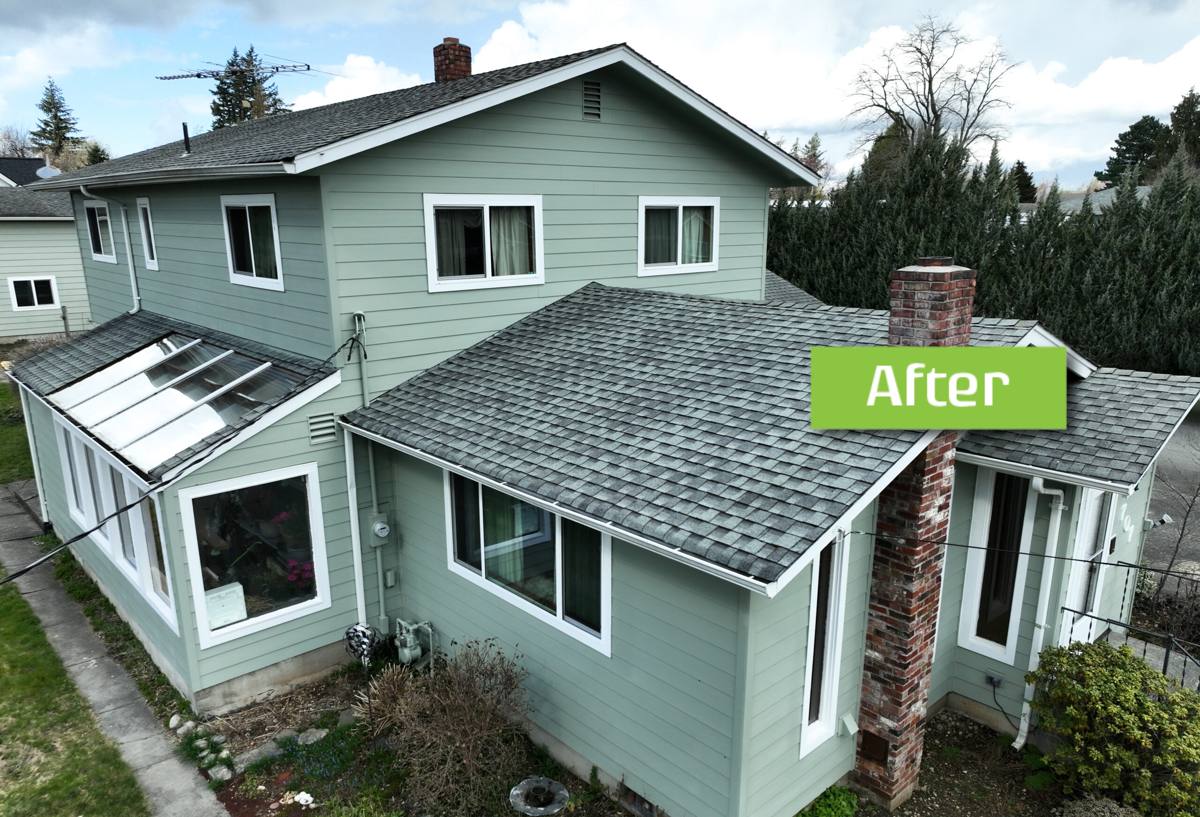
We install new roofs throughout Fairhaven and the surrounding Whatcom County area, and Chuckanut homes are some of the more interesting jobs we take on because the conditions actually change what "correct installation" looks like. A roof spec that works fine in a dry, open subdivision inland isn't automatically right for a wooded, coastal-adjacent property. This page covers what we actually do differently here, and what you should expect from a new roof installation on a Chuckanut home.
What Salt Air, Rain, and Moss Actually Do to a Roof
Salt Air
Airborne salt accelerates corrosion on anything metal — fasteners, flashing, drip edge, and exposed nail heads. On a lot of roofs the shingles themselves are still fine when the metal components start failing underneath them. Once flashing corrodes at a valley or a wall transition, water finds its way in long before there's a visible leak inside the house.
Driving Rain
Wind-driven rain doesn't behave like a straight downpour. It can push water up under shingle laps and sideways into vertical joints, which is why underlayment quality and flashing detail matter more here than in calmer inland areas. A roof that only has to shed water straight down can get away with a lighter-duty install. A roof that has to resist rain coming in at an angle cannot.
Moss and Shade
Tree cover keeps roof surfaces cool and damp for long stretches, which is exactly what moss needs to take hold. Moss isn't just cosmetic — it holds moisture against the shingle surface, works its way under tabs as it grows, and can lift shingles enough for wind and rain to get underneath. On a roof that never fully dries out between rain events, moss can establish itself within a couple of years if nothing was done to discourage it at installation.
What a Proper Installation Involves
Tear-Off and Deck Inspection
We remove the existing roofing down to the deck rather than layering over it. That's the only way to actually see what's underneath — soft spots, old water staining, rot around vents and chimneys, or deck boards that have delaminated from years of trapped moisture. Any damaged decking gets replaced before anything new goes down. Covering over a compromised deck just hides the problem for the next roof.
Underlayment and Water Barrier
Given how much of Chuckanut sees driving rain and prolonged damp shade, we don't treat underlayment as an afterthought. Self-adhered ice-and-water barrier goes in valleys, around penetrations, and along eaves — the spots where water concentrates and wind-driven rain is most likely to get pushed backward under the shingle line. The rest of the deck gets a synthetic underlayment rated for the exposure the roof will actually see.
Flashing and Fasteners
This is where salt air makes the biggest difference in material choice. We use corrosion-resistant flashing and fasteners rather than standard-grade galvanized components, particularly on roofs with any bay exposure. It costs a little more up front. It's a lot cheaper than re-flashing a valley in eight years because the metal rusted through while the shingles above it still had useful life left.
Ventilation
Balanced intake and exhaust ventilation keeps the underside of the deck dry and moderates temperature swings, which matters for shingle lifespan and helps reduce the moisture buildup that feeds moss growth from below as well as above. On shaded, tree-covered sections of roof, ventilation is doing real work — it's not a box we check to satisfy code.
Choosing the Right Material
There isn't one "best" roofing material for Chuckanut — there's a best fit for a given roof's shade exposure, slope, and how long the owner plans to stay in the home. Here's how the common options actually compare under these conditions:
| Material | Moss Resistance | Salt Air Durability | Maintenance |
|---|---|---|---|
| Architectural asphalt shingle (algae-resistant) | Good, with proper ventilation | Good with corrosion-resistant flashing/fasteners | Low to moderate |
| Standard 3-tab asphalt shingle | Fair — more prone to moss under shade | Fair | Moderate |
| Metal roofing (standing seam) | Very good | Very good with coated fasteners | Low |
| Cedar shake | Poor in shaded, damp conditions without diligent upkeep | Fair | High |
On cedar shake specifically: it's a good-looking product, but our professional standard is to steer shaded, tree-covered Chuckanut properties away from it unless the owner is committed to regular maintenance. Wood and prolonged dampness don't get along, and a shaded shake roof in this area will need more frequent attention to stay ahead of moss and moisture retention than most owners expect going in. That's a maintenance-burden conversation we have honestly, not a knock on the material itself.
Reducing Moss Before It Starts
You can't eliminate moss risk on a shaded roof entirely, but installation choices make a real difference in how fast it comes back:
- Algae-resistant shingles with embedded copper or zinc granules slow moss and algae growth at the surface
- Zinc or copper strips installed near the ridge let rain carry trace metal down the roof plane, which discourages regrowth
- Proper ventilation keeps the deck and shingle underside drier, removing one of moss's main footholds
- Correct slope and shingle exposure reduce standing moisture in low-slope sections
- Keeping overhanging branches trimmed back after the new roof goes in reduces shade and debris buildup — this part is on the homeowner, but we'll flag problem branches during the estimate
None of this makes a roof moss-proof. It buys years of extra life and keeps moss from becoming a structural issue rather than a cosmetic one.
Our Process, Start to Finish
- On-site inspection — we walk the roof, check the attic or crawlspace for existing moisture or ventilation issues, and note shade patterns and drainage paths specific to the property
- Written estimate — material options, scope, and a clear price, no vague allowances
- Tear-off and deck repair — old roofing removed, deck inspected and repaired as needed
- Underlayment and flashing installation — ice-and-water barrier at vulnerable points, corrosion-resistant metal throughout
- Roofing material installation — installed to manufacturer spec, with attention to nailing pattern and exposure since both affect wind and moss resistance
- Ventilation check — intake and exhaust balanced for the roof's actual size and slope
- Final walkthrough and cleanup — site cleared, debris hauled, and we go over care basics with you before we leave
Why Local Experience on This Specific Terrain Matters
Chuckanut's hillside lots come with real logistical constraints — steep driveways, limited staging area, tree cover that affects how material and equipment get positioned, and access that's different from a flat suburban lot. A crew that's worked this area before plans around that instead of discovering it mid-project. It also means we already understand which parts of a given roof are going to be shaded most of the year and which are going to take the brunt of weather off the bay, so the material and detailing choices aren't guesswork.
Permitting and inspection requirements are consistent across Whatcom County, but knowing how local building department turnaround typically runs, and being familiar with the older housing stock common in this area, keeps the project moving without avoidable delays.
Signs a Chuckanut Roof Needs Replacement, Not Another Repair
- Granule loss heavy enough that you can see it collecting in gutters
- Shingles curling, cupping, or lifting at the edges, especially on shaded slopes
- Moss established thickly enough that it's visibly raised sections of shingle
- Soft spots or sagging when walked on, or staining on the attic deck
- Corroded or rusted flashing around valleys, chimneys, or vents
- Roof is past 20–25 years old (asphalt) even without obvious visible damage
- Repeated leaks in different spots after previous patch repairs
What Affects Cost
| Factor | Why It Matters |
|---|---|
| Roof size and number of planes/valleys | More cuts and seams mean more labor and flashing detail |
| Material choice | Architectural asphalt, metal, and cedar carry different material and labor costs |
| Deck condition | Rotted or delaminated decking found during tear-off adds repair cost |
| Slope and access | Steep pitches and difficult hillside access affect labor and safety setup |
| Ventilation upgrades | Adding proper intake/exhaust where none existed is a worthwhile add, not a required one on every job |
Most full roof replacements on homes this size run into the mid five figures depending on material and scope, but the only way to get a number that means anything is an on-site look — too many of the variables above are specific to your particular roof.
If your roof is showing moss, granule loss, or you just want an honest read on how much life it has left, we're happy to come take a look. The estimate is free, there's no pressure attached to it, and you'll get a straight answer about what your Chuckanut home actually needs — just fill out the form below to get started.