 Fairhaven Siding
 Siding Repair Built for Birchwood's Climate
Birchwood homes sit in one of the more demanding stretches of Whatcom County when it comes to exterior wear. The combination of salt-laden air drifting in off the water, long stretches of driving rain, and a moss season that can run most of the year puts real, ongoing stress on siding. None of that is unique to any one house — it's a neighborhood-wide condition, and it shows up in predictable ways: soft spots at the bottom of siding boards, dark streaking on north-facing walls, caulk that's cracked and pulled away from trim, and paint that's failed years before it should have.
Siding repair in this environment isn't just about patching what's visible. It's about understanding why that section failed in the first place, and making sure the repair doesn't just fail again in two winters. That's the standard we hold every Birchwood repair to.
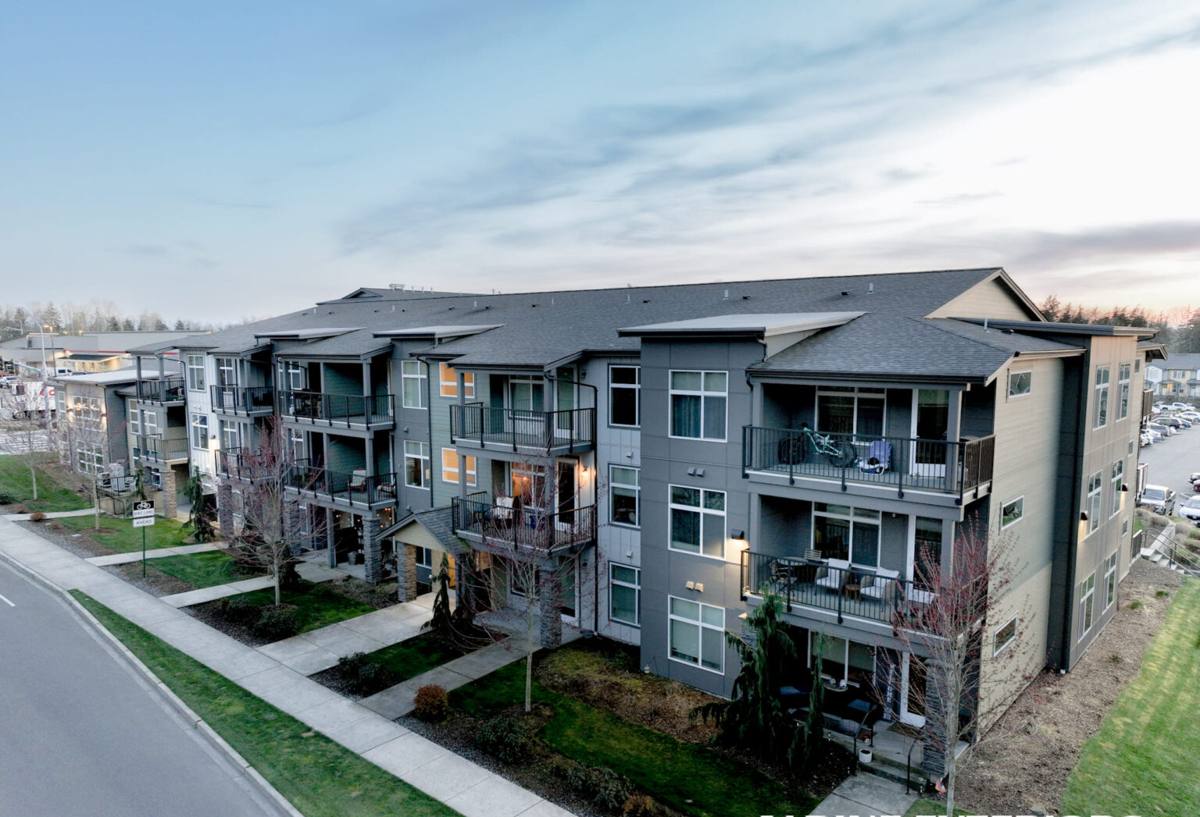
What Salt Air, Rain, and Moss Actually Do to Siding
Salt Air
Homes closer to Bellingham Bay and the surrounding waterways deal with airborne salt that settles on exterior surfaces year-round. Salt is hygroscopic — it pulls moisture out of the air and holds it against the siding surface longer than it would otherwise sit. On lower-quality or improperly finished siding, that constant low-grade dampness accelerates coating breakdown, corrodes fasteners, and works its way into any gap in the caulking or flashing.
Driving Rain
Whatcom County doesn't just get a lot of rain — a good portion of it comes in sideways during winter storms, driven by wind off the water. Wind-driven rain finds every seam, every under-caulked joint, and every spot where flashing was installed a little short. Siding that would perform fine in a calmer climate can fail here simply because it was never designed to shed water moving horizontally, not just falling straight down.
Moss and Algae
Between the moisture and the shade many Birchwood lots get from mature trees, moss and algae growth on siding, trim, and fascia is a near-constant battle for much of the year. Beyond the cosmetic issue, moss holds water directly against the siding surface and can work its way into seams and butt joints, keeping wood-based substrates damp for far longer than they should ever be.
How This Shows Up as Damage
When we're called out to a Birchwood home for a siding repair estimate, the damage almost always traces back to one of a few root causes:
- Failed caulking at butt joints and trim — the first line of defense against wind-driven rain, and the first thing to crack and shrink in this climate
- Missing or undersized flashing above windows, doors, and horizontal trim boards, letting water track behind the siding instead of over it
- Soft or delaminating siding at the bottom courses, where splashback and standing moisture do the most damage over time
- Nail pops and loose panels from moisture cycling — wood-based products swelling and shrinking, or fasteners corroding in salt-influenced air
- Persistent moss and algae staining on shaded elevations, which left untreated keeps the substrate damp long after a rain event has passed
- Impact damage from storm debris, ladders, or general wear, which becomes a moisture entry point if not sealed correctly
Any one of these, left alone, tends to compound. A small gap in caulking becomes a soft spot in the siding. A soft spot becomes rot in the sheathing behind it. Catching and correcting the damage early is almost always cheaper — and less disruptive — than waiting until it's a structural repair.
What a Correct Repair Actually Involves
A siding repair that's done right addresses both the visible damage and the condition that caused it. That means:
- Identifying the water path. We don't just replace the damaged board — we trace back to figure out how water got behind the siding in the first place, whether that's a caulk failure, missing flashing, or a grading issue pushing moisture up from below.
- Checking the substrate. Once siding is removed, we inspect the sheathing and weather-resistive barrier underneath. If there's hidden rot or moisture damage, that gets addressed before any new siding goes back on — patching over a wet wall just hides the problem.
- Matching the product correctly. Because we work exclusively in James Hardie fiber cement, repairs on an existing Hardie installation can be matched in profile, exposure, and ColorPlus finish so the repaired section doesn't stand out from the rest of the wall.
- Restoring flashing and drainage properly. Any flashing that's missing, undersized, or rusted gets replaced to current best practice, not just re-caulked over.
- Sealing and finishing to spec. Fastener patterns, joint treatment, and caulk selection follow manufacturer installation guidance — not shortcuts that look fine for a season and fail the next.
Our Process for Birchwood Repairs
We keep the process straightforward because most homeowners just want to know their siding is going to hold up through the next storm season without surprises.
- On-site inspection. We walk the affected elevations, check for soft spots by hand, look at flashing details, and assess how far the damage extends beyond what's visible from the ground.
- Honest scope and estimate. We tell you plainly whether this is a spot repair, a section replacement, or something larger — and why. No inflating small jobs, no downplaying real structural concerns.
- Repair work. Matched materials, correct flashing and moisture barrier detailing, and fastening to manufacturer spec.
- Cleanup and finish check. We confirm the repaired area sheds water correctly and blends with the surrounding siding before we consider the job done.
Repair or Replace? A Practical Way to Think About It
Not every damaged section needs a full re-side, and not every repair is worth doing in isolation. Here's how we generally advise Birchwood homeowners to think about it:
| Situation | Typical Approach |
|---|---|
| Isolated caulk failure or minor impact damage, substrate dry | Spot repair — replace affected boards, correct flashing/sealant |
| Rot found in one or two wall sections, siding elsewhere sound | Section repair — open the wall, dry it out, repair sheathing, re-side that area |
| Widespread soft spots, repeated moss staining, siding original and aging out | Full replacement — patchwork repairs won't keep pace with ongoing failures |
| Existing siding is a wood-based or lower-grade product with recurring moisture issues | Discuss replacement with James Hardie fiber cement as part of the repair conversation |
We'll always tell you honestly which category your home falls into. Repairing a wall that's one storm away from needing full replacement anyway isn't a good use of anyone's money.
Why James Hardie Matters for Repair Work Specifically
We install and repair James Hardie fiber cement exclusively, and that focus matters more for repair work than people usually expect. Fiber cement doesn't swell, rot, or delaminate the way wood-based siding can when it takes on moisture — which matters directly in a climate where moisture exposure is the norm rather than the exception. Hardie's ColorPlus factory finish is also engineered specifically to hold color and resist the kind of coastal weathering that fades and chalks field-applied paint faster. When we're repairing an existing Hardie installation, we can match that finish closely enough that the repair doesn't become a visible patch on the house.
We don't install LP SmartSide, vinyl, Cemplank, Allura, primed spruce, or cedar, and we're upfront about why: those products each carry maintenance demands, moisture sensitivities, or finish limitations that don't hold up as well against salt air, driving rain, and a long moss season. That's not a knock on any homeowner who has one of those products already — plenty of houses in Birchwood do, and we'll still repair what's there when it makes sense. But when the conversation turns to replacement, our recommendation is Hardie, because it's what we've seen perform best in exactly this environment.
What Drives the Cost of a Siding Repair
| Factor | Why It Matters |
|---|---|
| Extent of hidden damage | Rot found behind the siding once it's opened up adds scope beyond the visible repair |
| Accessibility | Second-story walls, tight side yards, or landscaping obstructions affect labor time |
| Color and profile matching | Matching an older ColorPlus finish or a discontinued profile may take more sourcing effort |
| Flashing and moisture barrier condition | Replacing failed flashing correctly adds material and labor but prevents repeat failures |
| Number of affected elevations | Damage isolated to one wall costs less than repairs spread across multiple sides of the house |
We walk through these factors on-site so the estimate reflects your actual house, not a generic per-square-foot guess.
Signs a Birchwood Homeowner Shouldn't Ignore
A quick self-check before calling for an estimate:
- Soft or spongy spots when you press on the bottom few courses of siding
- Cracked, shrunken, or missing caulk at joints, corners, and around windows
- Persistent dark streaking or moss growth that comes back soon after cleaning
- Visible nail pops or panels that look slightly loose or wavy
- Paint or finish that's peeling, chalking heavily, or noticeably faded compared to other walls
- Any interior signs — musty smell, staining, or soft drywall — near an exterior wall
Any one of these on its own may be minor. A few of them together, especially on the same elevation, usually means it's worth having someone take a closer look before the next wet season.
Working With a Crew That Knows This Neighborhood
Siding repair isn't a one-size-fits-all trade. A crew that repairs siding across a wide range of climates might not think twice about a detail that matters a great deal here — like how much flashing overlap you actually need against wind-driven rain off the bay, or how much shade tolerance a repair needs to hold up against moss regrowth. Working consistently in and around Fairhaven and Birchwood means we're not guessing at how this climate behaves; we're accounting for it as a matter of course, in every repair.
If you're seeing early signs of siding damage on a Birchwood home, or you've got a section that's clearly failed, we're happy to take a look and give you a straight answer on what it needs. Reach out for a free, no-pressure estimate using the form below.