 Fairhaven Siding
 Why Bellingham Homes Are Harder on Siding Than the Brochure Suggests
Bellingham sits close enough to the water that salt-laden air is a daily fact of life for exterior materials, not an occasional nuisance. Add Whatcom County's long wet season, wind-driven rain off the bay, and a moss and algae season that can run most of the year in shaded, north-facing spots, and you have a set of conditions that will find every weak point in a siding system within a few years. Homeowners who move here from drier climates are often surprised at how fast paint chalks, how quickly caulk lines fail, and how much moss builds up on siding that looked fine the year before.
None of this means siding is a lost cause here — it means the material and the installation both have to be matched to the actual conditions, not to a national average. That's the whole reason we're specific about what we install and how, rather than treating every siding job the same way regardless of where the house sits.
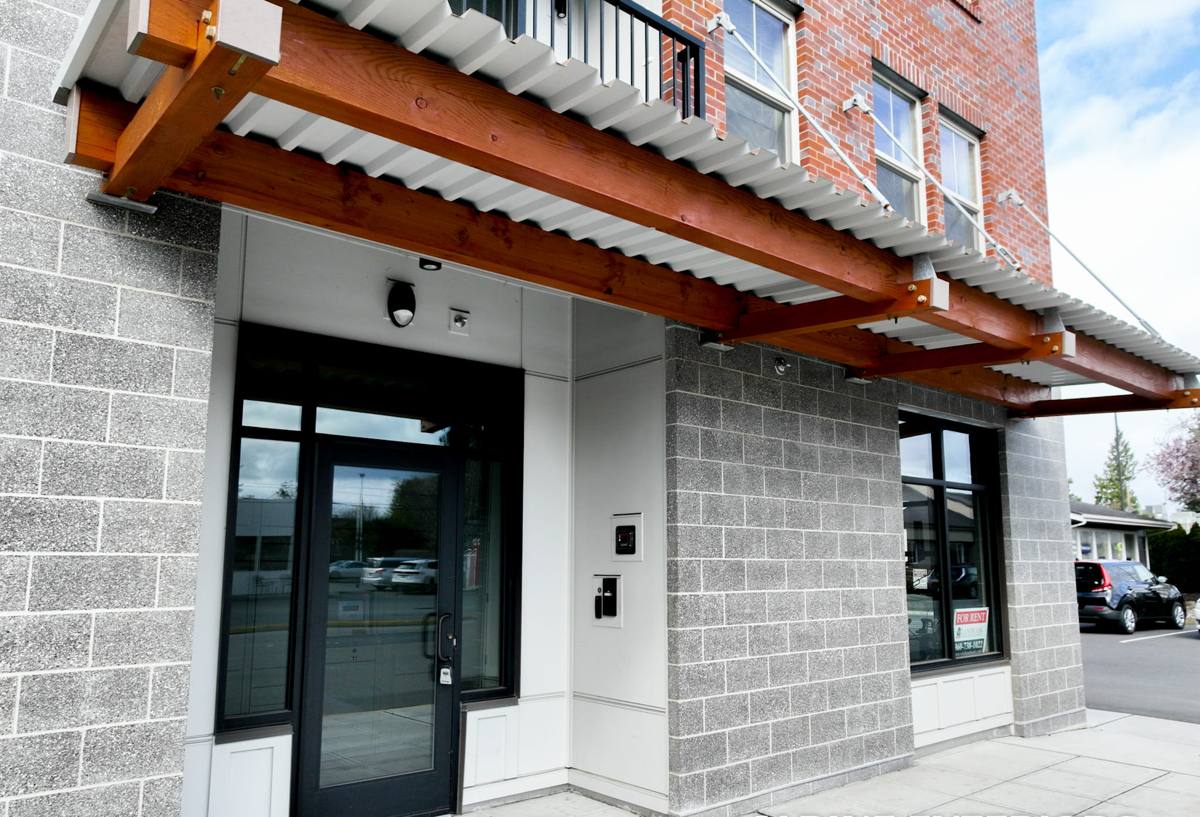
What Fiber Cement Actually Solves for a Bellingham Home
Fiber cement is a mix of cement, sand, and cellulose fiber, pressed and cured into planks or panels. For a coastal Whatcom County home, the properties that matter most are:
- It doesn't rot. Wood-based products (cedar, primed spruce, engineered wood) rely on paint and caulk to keep water out of the fiber itself. Once moisture gets past that barrier in a wet climate, rot can spread before it's visible from the ground.
- It's dimensionally stable. It doesn't swell and shrink with humidity swings the way wood does, so joints and caulk lines hold up longer under Bellingham's constant damp-to-dry cycling.
- It's non-combustible. Not a coastal-specific benefit, but a real one — fiber cement doesn't contribute fuel to a fire the way wood-based siding does.
- It holds a factory finish well. A baked-on finish resists the fading and chalking that salt air accelerates on field-applied paint.
Vinyl siding avoids the rot problem but has its own weak points in this climate: it can warp under strong afternoon sun reflecting off nearby structures, its seams and J-channels give moss and algae plenty of places to take hold, and it's a much thinner, more brittle material in cold snaps. Fiber cement, installed correctly, sidesteps most of these issues.
Why We Install James Hardie and Nothing Else
"Fiber cement" isn't one product — quality and engineering vary by manufacturer, and we've made the call to install James Hardie exclusively rather than mixing in other fiber cement brands, primed wood, or vinyl. A few reasons that matter specifically for this area:
- Climate-engineered product lines. Hardie's HZ5 formulation is engineered for regions with sustained moisture and moderate freeze-thaw cycling, which describes Bellingham's climate closely.
- ColorPlus factory finish. A baked-on, multi-coat finish holds color and sheen longer under salt air and UV exposure than field-painted siding, and it comes with its own finish warranty.
- Consistent product, consistent warranty. Sticking to one manufacturer means we know exactly how the product behaves, what its warranty covers, and how to install it to spec — instead of learning the quirks of a different product on every job.
We're not going to tell you every other product is unusable — plenty of homes in this region have other types of siding on them right now. But when we're the ones putting our name behind the installation, we've decided this is the one system we're willing to stand behind for the long haul in this climate.
What a Correct Installation Looks Like Here
Drainage and the Rainscreen Gap
In a climate this wet, the single biggest factor in how long siding lasts isn't the plank itself — it's what's behind it. A drainage gap (rainscreen) between the siding and the weather-resistant barrier lets any moisture that does get past the surface drain and dry out instead of sitting against the wall sheathing. Skipping this detail is one of the most common shortcuts on lower-bid jobs, and it's one of the hardest problems to spot from the ground once the siding is up.
Flashing and Trim Details
Window heads, deck ledgers, and any horizontal trim need flashing that actually sheds water outward rather than relying on caulk alone. Caulk is a maintenance item, not a waterproofing strategy — in a region with this much annual rainfall, any detail that depends on caulk staying perfect for years is a detail that will eventually leak.
Fastening and Clearance
Fiber cement needs the right fastener spacing and pattern to meet both the manufacturer's warranty terms and local code, plus proper clearance from grade, roof lines, and decks so the bottom edge of the siding isn't sitting in standing water or constant splash-back. This is a common failure point on older Bellingham homes where grading or landscaping has crept up over the years.
Cost Factors on a Typical Bellingham Job
Every home is different, but the factors that most often move the price on a fiber cement job in this area are fairly consistent:
| Factor | Why It Matters in Bellingham | Effect on the Job |
|---|---|---|
| Condition behind existing siding | Long wet seasons mean hidden moisture damage is common on older homes near the bay | May require sheathing repair before new siding goes on |
| Home height and access | Many Fairhaven-area lots are sloped, narrow, or tight to neighboring property lines | Affects staging, scaffolding, and labor time |
| Trim and architectural detail | Older homes often have more window trim, corner boards, and roofline detail to match | More cutting, fitting, and finish work |
| Moss and algae prep | Long moss season means old siding may need extra cleanup before tear-off | Added prep time, more debris to haul |
| Color and finish choice | Darker ColorPlus finishes can affect panel lead times | May shift scheduling, rarely changes install cost |
How We Approach a Bellingham Fiber Cement Project
- Walk-through and moisture check. We look at the existing siding, trim, and any visible signs of past water intrusion before we ever talk numbers.
- Tear-off and sheathing inspection. Once the old siding is off, we check the sheathing itself — this is where hidden rot from years of damp exposure actually shows up.
- Repair before cover. Any damaged sheathing or framing gets addressed before new siding goes on. Covering a known problem is not something we'll do.
- Rainscreen and flashing install. Drainage gap, window and door flashing, and trim details go in before the siding itself.
- Hardie installation to spec. Fastener pattern, clearances, and joint treatment follow James Hardie's published installation guidelines.
- Final walkthrough and warranty paperwork. We register the product warranty and walk the finished job with you.
What to Check Before Hiring Anyone for This Job
- Ask specifically what's happening behind the siding — drainage gap, flashing, and moisture barrier — not just what brand of plank is going on.
- Ask how they handle sheathing repair if it's found during tear-off, and how that's priced.
- Ask whether they're familiar with local permitting and typical construction in this part of Whatcom County.
- Ask for the manufacturer's installation instructions and whether the crew follows them, not a generalized approach used everywhere.
- Ask how they handle scheduling around the wet season, since siding shouldn't go over damp sheathing.
Why a Crew That Already Works This Area Matters
A siding crew that regularly works Fairhaven and greater Bellingham has already run into the local variables — the moisture patterns on north-facing walls shaded by mature trees, the wind-driven rain angle coming off the water on the exposed sides of a house, and the pace at which moss reestablishes itself on north- and west-facing exposures. That's not something a crew based somewhere drier picks up on the first job. It shows up in smaller things too: knowing which weeks of the year are realistic for tear-off without leaving sheathing exposed too long, and building in the extra drying time this climate sometimes demands before covering a wall back up.
Living With Fiber Cement Siding Through a Bellingham Moss Season
Correctly installed fiber cement is low-maintenance, but "low-maintenance" isn't "no-maintenance" in this climate. A yearly rinse-down (garden hose pressure, not a high-pressure washer aimed directly at joints) keeps moss and algae from building up on shaded sides of the house. Keeping gutters and downspouts clear matters more here than in drier regions, since a clogged gutter overflowing onto siding season after season is one of the more common causes of premature wear we see on older homes. Trimming back vegetation that keeps a wall shaded and damp also goes a long way toward keeping moss growth manageable between cleanings.
If you're weighing siding options for a home in the Bellingham area and want a straight answer about what your house actually needs, we're happy to take a look. The estimate is free, there's no pressure, and you'll get a plain explanation of what we'd do and why — just fill out the form below.