 Fairhaven Siding
 Window Installation Built for York's Coastal Climate
York sits close enough to the water that its homes take on a different kind of weather than houses just a few miles inland. Salt-laden air off the Salish Sea, wind-driven rain that hits window walls sideways instead of straight down, and a long, damp moss season all add up to conditions that punish poorly installed windows faster than almost anywhere else in Washington. A window that would last two decades in a dry inland climate can fail in half that time here if it wasn't installed with this specific environment in mind.
This page is about one job, done right, in one place: replacing or installing windows on homes in and around York, within Fairhaven and greater Whatcom County. It's not a generic overview of window types — it's what actually matters for a house that has to shed driving rain, resist salt corrosion, and stay dry through months of low sun and high humidity.
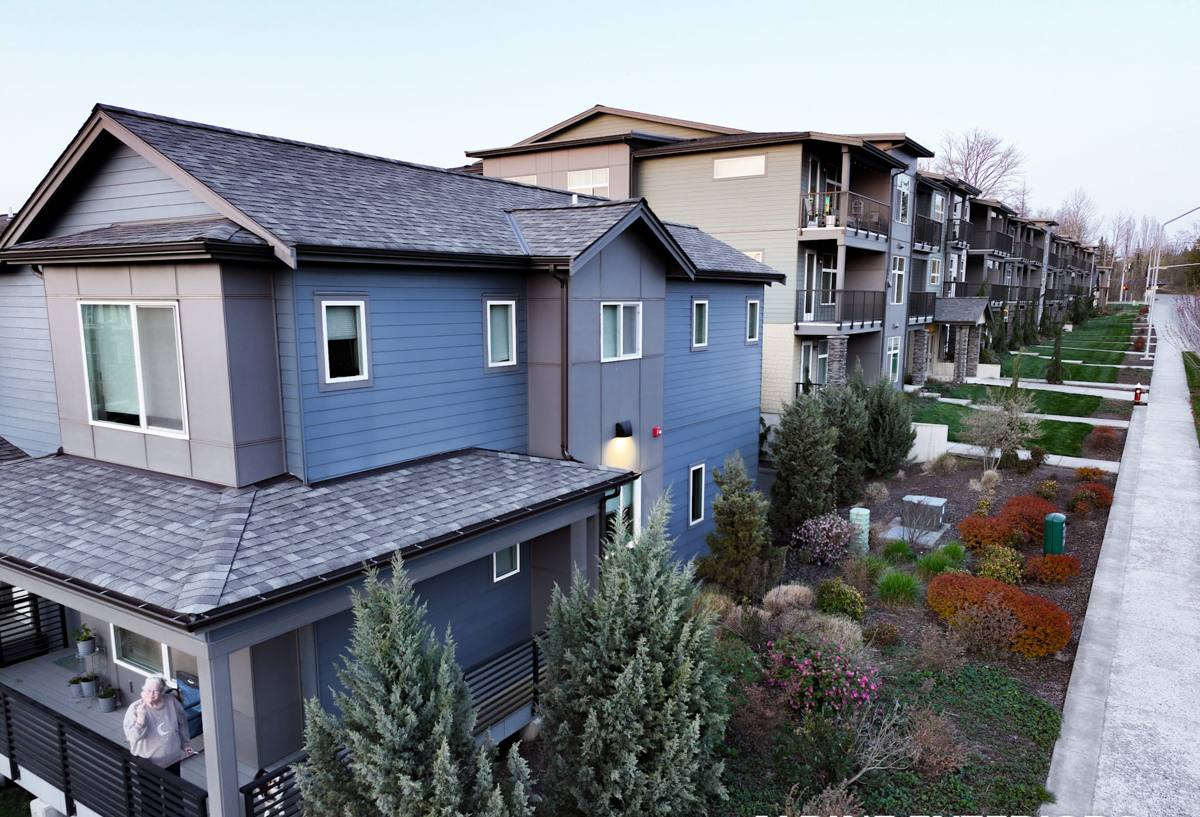
What Salt Air, Driving Rain, and Moss Season Do to Windows Over Time
Every coastal Whatcom County home is fighting the same three slow processes, whether the windows show it yet or not.
Salt Air and Corrosion
Airborne salt doesn't just affect homes right on the water — it travels on wind and settles on any exposed metal, including window hardware, screen frames, and fasteners. Left unaddressed, it accelerates corrosion on hinges, locks, and cranks, and it can degrade lower-grade aluminum components over the years. This is why fastener and hardware choice matters as much as the window unit itself.
Driving Rain and Wind-Driven Water
Rain in this part of Washington rarely falls straight down. Storms off the water push rain sideways into window walls, which means water is testing every seam, joint, and flashing detail far more aggressively than a light vertical rain would. A window that's watertight in a lab test can still leak here if the flashing and sill pan weren't built for wind-driven intrusion.
Moss, Algae, and Trapped Moisture
The long moss season isn't just a roof and gutter problem. Moss and algae take hold anywhere moisture sits and light is limited — shaded sills, north-facing trim, and any spot where water pools instead of draining. Once organic growth establishes itself against wood trim or sealant lines, it holds moisture against the building longer, which is exactly the condition that leads to rot and sealant failure.
Signs Your York Home's Windows Are Due for Replacement
Some of these are obvious; others show up as small annoyances long before there's visible damage. Worth checking each window against this list:
- Fogging or a permanent haze between the panes (failed seal on double- or triple-pane glass)
- Soft or spongy wood at the sill, corners, or surrounding trim
- Visible gaps between the window frame and siding or trim
- Drafts you can feel near the frame even with the window fully closed and locked
- Windows that are hard to open, close, or lock — often a sign the frame has shifted
- Paint or finish that keeps failing in the same spot no matter how often it's touched up
- Visible moss, algae, or dark streaking building up on the sill or lower trim
- A noticeable rise in heating costs with no other explanation
Any one of these on its own might be minor. Two or three on the same window usually means water has already gotten past the seal at some point.
What a Correct Window Installation Actually Involves
The window unit itself — vinyl, fiberglass, wood-clad — is only part of the job. Most window failures in this climate trace back to installation shortcuts, not product defects. A correct install has four parts, and skipping or rushing any one of them is where leaks start.
Removal and Opening Inspection
Before a new window goes in, the old one comes out and the rough opening gets inspected — sheathing, framing, and any existing flashing. This is the only point in the whole job where hidden rot or past water damage is visible and fixable. Installing a new window over a compromised opening just hides the problem for a few more years.
Flashing and the Weather-Resistive Barrier
This is the single most important step for a driving-rain climate. A proper sill pan directs any water that gets past the window straight back outside instead of into the wall cavity. Flashing tape has to integrate correctly with the house's weather-resistive barrier in the right shingled order — top piece overlapping the one below it — so water always drains down and out, never in.
Sealing, Insulation, and Air Sealing
Low-expansion foam or backer rod and sealant around the frame closes air gaps without bowing the frame out of square. Sealant is chosen and applied with an eye toward the coastal environment — the wrong sealant hardens and cracks faster with the humidity and temperature swings common here.
Trim, Finish, and Hardware
Exterior trim gets back-primed and sealed on all sides before it's reinstalled, not just on the face anyone can see. Fasteners and visible hardware are chosen with salt exposure in mind rather than whatever is cheapest, since replacing corroded hardware later means pulling trim that was never meant to come off again.
Choosing the Right Window Material and Glass for This Climate
There's no single "best" window — the right choice depends on the home, its exposure, and how much upkeep the owner wants to take on. Here's how the common options actually perform in a marine, salt-air climate:
| Material | Moisture & Salt Performance | Maintenance |
|---|---|---|
| Vinyl | Won't rust or corrode; performs consistently in humid, salty air | Low — occasional cleaning, no repainting |
| Fiberglass | Very stable through temperature and humidity swings; strong resistance to warping | Low — durable finish, minimal upkeep |
| Wood-clad | Exterior cladding protects the wood, but any breach in the cladding lets moisture reach bare wood | Higher — finish and seams need regular inspection |
| Bare aluminum | Prone to corrosion and pitting in salt air over time without a protective finish | Moderate to high, depending on coating quality |
For glass, a dual-pane unit with a low-E coating and argon fill is the practical standard for this region's cooler, wetter climate — it cuts heat loss and reduces the interior condensation that shows up on older single-pane windows during cold, damp stretches. Triple-pane is worth discussing for north-facing rooms or homes closer to the water where wind exposure is higher, but it's not a necessity for every opening.
Our Window Installation Process
The steps don't change from house to house — what changes is how carefully each one is done in a climate this unforgiving of shortcuts.
- On-site assessment. We look at existing windows, exposure to wind and rain, and any signs of past water intrusion before recommending anything.
- Product selection. We walk through material, glass, and hardware options based on that specific home's exposure — not a one-size answer for every window on the house.
- Opening prep and removal. Old windows come out, the opening is inspected, and any damaged framing or sheathing is addressed before anything new goes in.
- Flashing and installation. Sill pans, flashing tape, and weather-barrier integration are done in the correct order, then the window is set, leveled, and secured.
- Sealing, trim, and finish. Interior and exterior sealing, trim reinstallation or replacement, and a final check that everything operates and locks properly.
- Final walkthrough. We check each window with the homeowner before calling the job done.
Cost Factors for Window Installation
Every job is different, so exact numbers depend on your home, but the main variables that move the price are consistent:
| Factor | Why It Matters |
|---|---|
| Number and size of windows | More openings and larger units mean more material and labor |
| Material (vinyl, fiberglass, wood-clad) | Fiberglass and wood-clad typically cost more than vinyl |
| Glass package | Triple-pane and specialty coatings add cost over standard dual-pane low-E |
| Condition of the existing opening | Rot or past water damage found during removal adds repair scope |
| Trim and exterior finish work | Full trim replacement costs more than reusing sound existing trim |
| Access and site conditions | Second-story windows or tight access can affect labor time |
As a broad range, homeowners in this area typically see per-window installed costs running from the low thousands for standard vinyl replacements up into the higher end for larger openings, premium materials, or extensive trim and repair work. The only way to get an accurate number is a look at the actual windows and openings involved.
Why Hiring a Crew That Already Works in York Matters
A contractor who works this area regularly already knows what wind-driven rain off the water does to a poorly flashed window, has seen what moss buildup does to trim over a few damp seasons, and doesn't need to relearn salt-air hardware choices on your house. That local pattern recognition shows up in small decisions — which sealant holds up, how tight the flashing lap needs to be on a west-facing wall, which hardware is worth the upcharge — that a crew unfamiliar with Whatcom County's coastal conditions might not think to make.
It also means someone who'll actually be around if a question comes up after the job is finished, rather than a crew that installed windows here once and moved on to the next region.
Get a Free, No-Pressure Estimate
If your windows in York are showing any of the signs above, or you're planning ahead for a replacement, we're happy to take a look and give you an honest assessment — no pressure, no obligation. Use the form below to request a free estimate.