 Fairhaven Siding
 Roof Repair Built for York's Coastal Conditions
Homes in the York area near Fairhaven sit close enough to Bellingham Bay that salt air, driving rain off the water, and a moss season that runs most of the year all show up in the condition of a roof faster than they would inland. We've worked on enough roofs in this pocket of Whatcom County to know the failure patterns are consistent: moss lifting shingle edges, flashing that's corroded faster than the field material around it, and small leaks that started at a penetration or valley and got ignored until they showed up as a stain on a ceiling. Roof repair here isn't just patching a hole — it's understanding why that spot failed in this climate and making sure the fix outlasts the next few wet seasons.
This page is specifically about repair work for York-area roofs, not a general overview of roofing services. If your roof needs attention now — a leak, missing shingles, damaged flashing, or a section that's clearly failing — this is what a correct repair looks like and how we handle it.
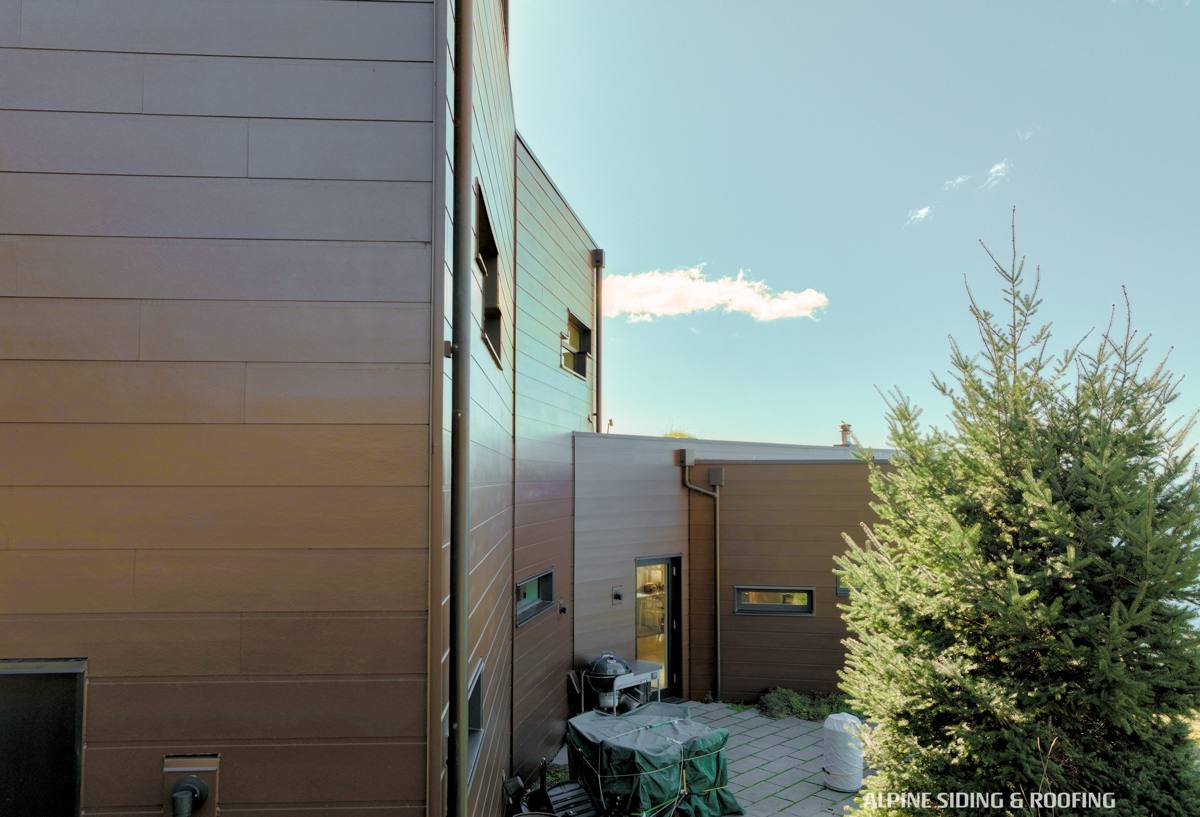
What Whatcom County Weather Does to a Roof
Three things drive most of the repair calls we get in this area, and they compound each other:
Moss and Organic Growth
Bellingham-area humidity and shade from mature trees mean moss and moss-adjacent growth (algae, lichen) get a long runway — often ten months a year instead of a short summer window. Moss doesn't just sit on top of shingles; it roots into the granule surface, holds moisture against the roofing material, and physically lifts shingle tabs as it grows. Once tabs are lifted, wind-driven rain gets underneath them instead of running over them.
Wind-Driven Rain
Rain that comes in sideways off the water finds every weak point in a roof system that vertical rain would never reach — poorly lapped flashing, under-sealed nail heads, and gaps at wall-to-roof transitions. A roof that's shed water fine for years can start leaking the first time a storm pushes rain at it from an unusual angle.
Salt Air Corrosion
Proximity to the bay accelerates corrosion on any exposed metal — flashing, fasteners, vent boots with metal collars, and gutter hardware. Galvanized components that would hold up for decades inland can start showing rust and pitting years earlier out here. When flashing corrodes, it doesn't fail all at once; it thins and develops pinholes that let water through gradually, which is why leaks in this area often show up as slow stains rather than sudden drips.
What a Correct Roof Repair Actually Involves
A repair that's just cosmetic — a dab of sealant, a shingle swapped in without checking what's underneath — tends to fail again within a season or two out here. A repair that holds involves a few non-negotiable steps:
- Find the actual entry point, not just the visible damage. Water travels along the underlayment and rafters before it shows up as a stain, so the leak's source is often several feet from where the damage appears.
- Check the decking underneath the damaged area for soft spots, rot, or delamination. Patching over compromised decking doesn't fix anything.
- Match materials correctly — shingle profile, color line, and weight — so the repair doesn't stand out or create a mismatched seam that becomes its own weak point.
- Re-flash properly at any valley, chimney, skylight, or wall transition involved, rather than just sealing over old flashing that's already corroding.
- Confirm ventilation isn't part of the problem — poor attic ventilation traps moisture that accelerates moss growth and decking rot from the inside.
How We Handle a Repair Call
1. Inspection First
We look at the whole roof, not just the spot you're worried about. A single visible leak is often one symptom of a broader moss, flashing, or ventilation issue, and we'll tell you honestly if that's the case rather than just patching the one spot and leaving the rest to fail next winter.
2. A Clear, Written Estimate
You get a straightforward explanation of what's actually wrong, what needs to be done to fix it correctly, and what it costs — before any work starts. No pressure to upgrade to a full replacement if a repair is the honest answer.
3. The Repair Itself
We remove and replace only what's damaged or compromised, matching materials where the existing roof is otherwise sound, and re-sealing or re-flashing to current best practice rather than just recreating what failed.
4. Cleanup and Debris Removal
Old shingle pieces, nails, and moss debris get cleared from the roof and the ground around the house — we don't leave a job site looking like we were never there.
5. A Straight Answer on Warranty
We'll tell you what's covered on the workmanship side and point you to the manufacturer's documentation for material coverage, rather than making vague promises.
Repair or Replace? How We Help You Decide
Not every roof problem in York needs a full replacement, but some do. Here's the honest breakdown of how we think about it:
| Factor | Leans Toward Repair | Leans Toward Replacement |
|---|---|---|
| Age of roof | Under 15 years, or repair matches manufacturer expected lifespan remaining | Near or past the material's expected service life |
| Extent of damage | Isolated to one section, valley, or penetration | Multiple areas failing independently across the roof |
| Decking condition | Solid decking under the damaged area | Widespread soft spots or rot found during inspection |
| Moss/growth history | First significant growth, caught early | Chronic moss damage that's degraded granules broadly |
| Material availability | Matching shingles/material still available | Discontinued product, mismatched repair would be obvious |
When a roof is borderline, we'd rather tell you a repair will buy you a few honest years than sell you a replacement you don't need yet — and we'll tell you just as plainly when a repair would be throwing money at a roof that's already past the point of cost-effective patching.
Cost Factors for Roof Repair
Every repair is different, so we won't quote a number without seeing the roof, but the main things that move the price are worth knowing up front:
| Factor | Why It Matters |
|---|---|
| Roof pitch and access | Steeper roofs and difficult access add labor time and safety setup |
| Extent of decking damage | Rotted decking has to be cut out and replaced before any shingle work |
| Flashing scope | Full re-flashing at a valley or chimney costs more than a simple shingle swap |
| Material match | Discontinued or specialty shingle profiles can require sourcing time |
| Number of separate problem areas | Multiple isolated leaks cost more in aggregate than one concentrated repair |
Moss and Seasonal Maintenance: What Actually Helps
A lot of moss damage in this area is preventable with basic seasonal upkeep, done before it becomes a repair call:
- Keep gutters clear so water isn't sitting against the roof edge, which is where moss often gets its start
- Trim back overhanging branches to reduce the shade and moisture that moss needs to establish
- Have moss physically removed rather than just treated — chemical treatments alone don't undo the granule and shingle damage already done
- Check flashing and sealant at penetrations (vents, chimneys, skylights) once a year, since these are the first places salt-air corrosion shows up
- Look at the attic after a hard storm for any sign of moisture, even if nothing is visibly dripping
Signs You Need a Repair Now, Not Later
- A ceiling stain that's new or has grown since you last noticed it
- Shingle tabs that are curling, cracked, or missing after a windstorm
- Visible moss buildup, especially on north-facing slopes that stay shaded and damp
- Rust streaks running down from flashing or vent boots
- Daylight visible through the roof deck from inside the attic
- Granules collecting in gutters or at downspout outlets, a sign shingles are wearing thin
Any one of these is worth a call before the next big storm off the water finds the weak spot for you.
Why a Crew That Already Works in York Matters
Roof repair in this specific pocket of Whatcom County benefits from knowing the housing stock and the conditions firsthand. Older homes here often have roofing details — valley configurations, chimney flashing, transitions to additions — that a crew unfamiliar with the area's building patterns might not diagnose correctly on the first visit. A local crew also knows which materials hold up against salt air and moss in practice, not just on a spec sheet, and can respond faster when a storm causes damage that needs attention before the next round of rain gets in. We're not driving in from across the county to look at your roof once and disappear — we're already working on roofs like yours nearby.
Materials We Use and Why
For repair work, matching the existing roof correctly matters more than picking the flashiest product. We use shingle lines and flashing materials chosen for how they perform against sustained moisture and salt exposure — not just for looks — and we're upfront if a product would be a poor match for this climate, whether that's a maintenance burden, a moisture-trapping installation detail, or a warranty structure that doesn't hold up to how this area actually weathers a roof. Our standard is picking what will still be doing its job in ten years of Whatcom County winters, not what looks best on day one.
If you've got a leak, storm damage, or a moss problem on a York-area roof, we're happy to take a look and give you a straightforward, no-pressure estimate — just fill out the form below and we'll get back to you.