 Fairhaven Siding
 Metal Roofing in Sudden Valley: Built for What This Area Actually Does to a Roof
Sudden Valley sits in a part of Whatcom County that puts real demands on a roof year-round. Between the salt-carrying air moving in off the water, long stretches of driving rain, and a moss season that seems to start earlier every fall, a roof here has to do more than just shed water. Metal roofing can be an excellent fit for these conditions, but only when it's specified and installed with this specific environment in mind. A metal roof detailed for a dry inland climate will not hold up the same way here, and the difference shows up in the first few wet winters.
This page is about one thing: metal roofing on Sudden Valley homes, done correctly, by a crew that already understands what this neighborhood's weather does to a roofline over time.
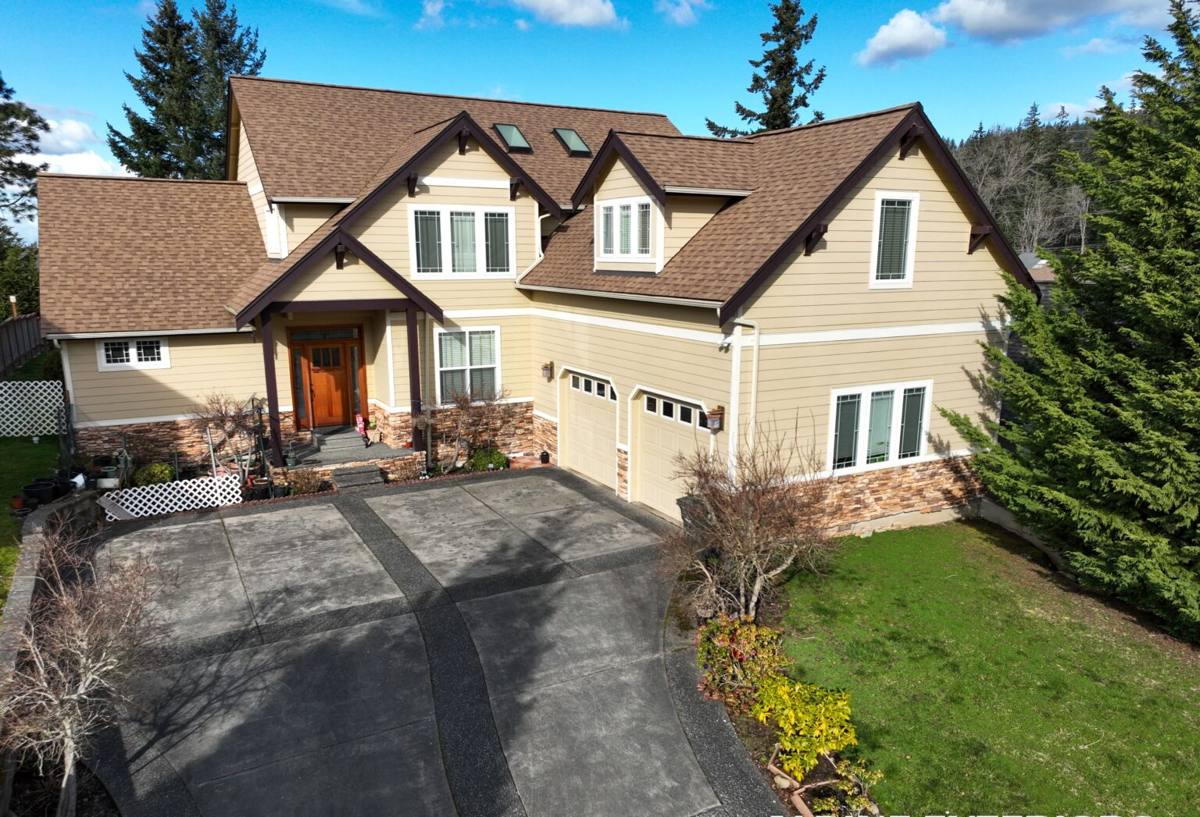
What the Local Climate Actually Demands From a Metal Roof
Salt Air and Corrosion
Coastal and near-coastal air carries salt content that accelerates corrosion on unprotected or poorly coated metal. This doesn't mean metal roofing is a bad choice here — it means the coating system, fastener material, and cut-edge treatment all matter more than they would further inland. Bare cut edges, mismatched fasteners, and lower-grade coatings are where corrosion gets started, usually years before a homeowner notices anything from the ground.
Driving Rain and Wind-Driven Water
Rain here rarely falls straight down. Wind-driven rain pushes water sideways and upward under laps, around penetrations, and into any seam that wasn't detailed to handle it. A metal roof's water resistance depends almost entirely on how the seams, laps, and flashing details were executed — the panel material itself is only part of the system.
Moss and Prolonged Moisture
Long, cool, wet stretches of the year are ideal conditions for moss growth, especially on north-facing slopes and anywhere shade keeps a roof from drying out between rain events. Moss on a metal roof behaves differently than moss on asphalt shingles — it doesn't root into the material, but it does hold moisture against seams and fasteners, and it can interfere with proper water flow at laps and valleys if left unaddressed.
What a Correct Metal Roof Installation Involves
A metal roof is only as good as the details underneath and around it. On Sudden Valley homes, we pay particular attention to a handful of things that generic installations often skip past.
Underlayment and Moisture Barrier
Given the amount of wind-driven rain this area sees, we install a high-temp, self-adhering underlayment at eaves, valleys, and penetrations, with synthetic underlayment across the rest of the field. This gives the roof a real second line of defense if wind ever forces water past the panel laps.
Fastener and Flashing Compatibility
Mixing incompatible metals — the wrong fastener alloy against the wrong panel coating — sets up galvanic corrosion, which shows up as pitting and staining well before any actual leak. We match fasteners, flashing, and panel coatings so the whole system ages together instead of one component failing early and taking the rest down with it.
Seam and Lap Detailing
Standing seam systems rely on mechanically formed or snap-lock seams that stay tight under wind and thermal movement. Exposed-fastener panels rely on gasketed fasteners installed at the correct torque and spacing. Either system can perform well here — but only if the laps run the right direction relative to prevailing wind and roof pitch, and only if valley and ridge details are built to shed water fast rather than let it pool.
Ventilation
Metal roofs move heat and moisture differently than shingles. Proper ridge and intake venting keeps condensation from forming on the underside of the deck, which matters in a climate where the attic space can stay damp for weeks at a stretch during the rainy season.
Choosing the Right Metal Roofing System for This Area
Not every metal roofing system is the right fit for every home. The table below breaks down the common options we discuss with Sudden Valley homeowners.
| System | Best Fit For | Key Consideration in This Climate |
|---|---|---|
| Standing seam (concealed fastener) | Most roof pitches, homes wanting the longest maintenance interval | Best resistance to wind-driven rain due to no exposed fastener penetrations |
| Exposed-fastener panel | Budget-conscious projects, outbuildings, simpler rooflines | Requires gasket inspection and occasional fastener maintenance over the roof's life |
| Metal shingle / shake profile | Homes wanting a traditional look with metal's durability | More seams and laps than standing seam, so installation precision matters even more |
We don't push one system on every home. The right choice depends on roof pitch, how much shade and moss exposure a given slope gets, and what the homeowner wants to maintain over time.
Our Process, Start to Finish
- On-site assessment — we walk the roof and attic, not just the ground, and look specifically at moss patterns, shaded slopes, and existing corrosion or staining.
- System recommendation — based on pitch, exposure, and the homeowner's priorities, we recommend a panel type and coating rather than defaulting to one product for every job.
- Tear-off and deck inspection — any rot, soft decking, or trapped moisture from moss or old leaks gets addressed before a single panel goes down.
- Underlayment and flashing install — this is where most long-term performance is decided, and it's the step we spend the most time on.
- Panel installation — laid out and fastened to handle prevailing wind direction and the rainfall patterns typical of this area.
- Final walkthrough — we go over moss-prevention basics and what normal wear looks like versus what warrants a call.
Moss Management on a Metal Roof
Moss won't damage metal the way it can damage asphalt, but it will hold water against seams, fasteners, and flashing longer than the roof would otherwise stay wet. On Sudden Valley homes with mature tree cover or north-facing slopes, we typically recommend:
- Periodic gentle rinsing or brushing of shaded slopes, avoiding pressure washers that can force water under laps
- Keeping overhanging branches trimmed back to let a slope dry between rain events
- Zinc or copper strip options at the ridge on moss-prone slopes, discussed case by case
- An annual visual check of valleys and low-slope transitions where debris and moss tend to collect
Cost Factors Homeowners Should Understand
Metal roofing costs vary by system, roof complexity, and current roof condition. Rather than quote a number that won't hold up across different homes, here's what actually moves the price on a Sudden Valley project.
| Factor | Why It Matters Here |
|---|---|
| Panel system chosen | Standing seam generally costs more upfront than exposed-fastener panel, but requires less long-term maintenance |
| Roof complexity | More valleys, dormers, and penetrations mean more flashing work — and flashing work is what determines wind-driven rain performance |
| Deck condition | Moisture-damaged decking from long-term moss coverage or old leaks adds repair cost that's only visible after tear-off |
| Coating and fastener grade | Higher-grade coatings and compatible fasteners cost more but matter more given the salt-air exposure in this area |
| Access and pitch | Steeper or harder-to-access rooflines add labor time regardless of panel type |
Why Hiring a Crew That Already Works Sudden Valley Matters
A crew that mostly installs roofs in drier, inland conditions will default to details that work fine there and fall short here. Knowing which slopes on a Sudden Valley home tend to hold moss, how far wind-driven rain actually travels under a poorly lapped seam, and which flashing details have held up through repeated wet seasons isn't something you get from a spec sheet — it comes from doing this work in this specific climate, repeatedly. That local pattern recognition is what separates a roof that performs for decades from one that needs attention within the first few years.
Before hiring anyone for a metal roof in this area, it's worth confirming a few basics:
- They can explain specifically how their flashing and underlayment details handle wind-driven rain, not just recite a general installation process
- They match fastener and flashing materials to the panel coating rather than using whatever is on hand
- They've worked on roofs in this same general area and climate, not just metal roofing somewhere drier
- They inspect and discuss deck condition before quoting a final price, rather than assuming what's underneath
- Their warranty covers workmanship separately from manufacturer material warranty, and they explain the difference clearly
Let's Take a Look at Your Roof
If you're weighing metal roofing for a home in Sudden Valley, we're happy to come take a look, walk the roof and attic, and give you an honest read on what your specific roofline needs — no pressure, no generic sales pitch. Use the form below to request a free estimate.