 Fairhaven Siding
 When Storms Hit Silver Beach, the Roof Takes the First Punch
Silver Beach homes sit through the same fall-through-spring storm stretch as the rest of Whatcom County, but a few local conditions make the damage add up faster than homeowners expect. Wind off the water pushes rain sideways under shingle edges instead of letting it run off naturally. Older roofs in the area often already carry a layer of moss and organic debris that traps moisture against the decking. When a storm rolls through and lifts a few shingles or drives water past a weak flashing joint, that pre-existing dampness gives the leak a head start. By the time a stain shows up on a ceiling inside the house, the roof has usually been letting water in for longer than the storm itself lasted.
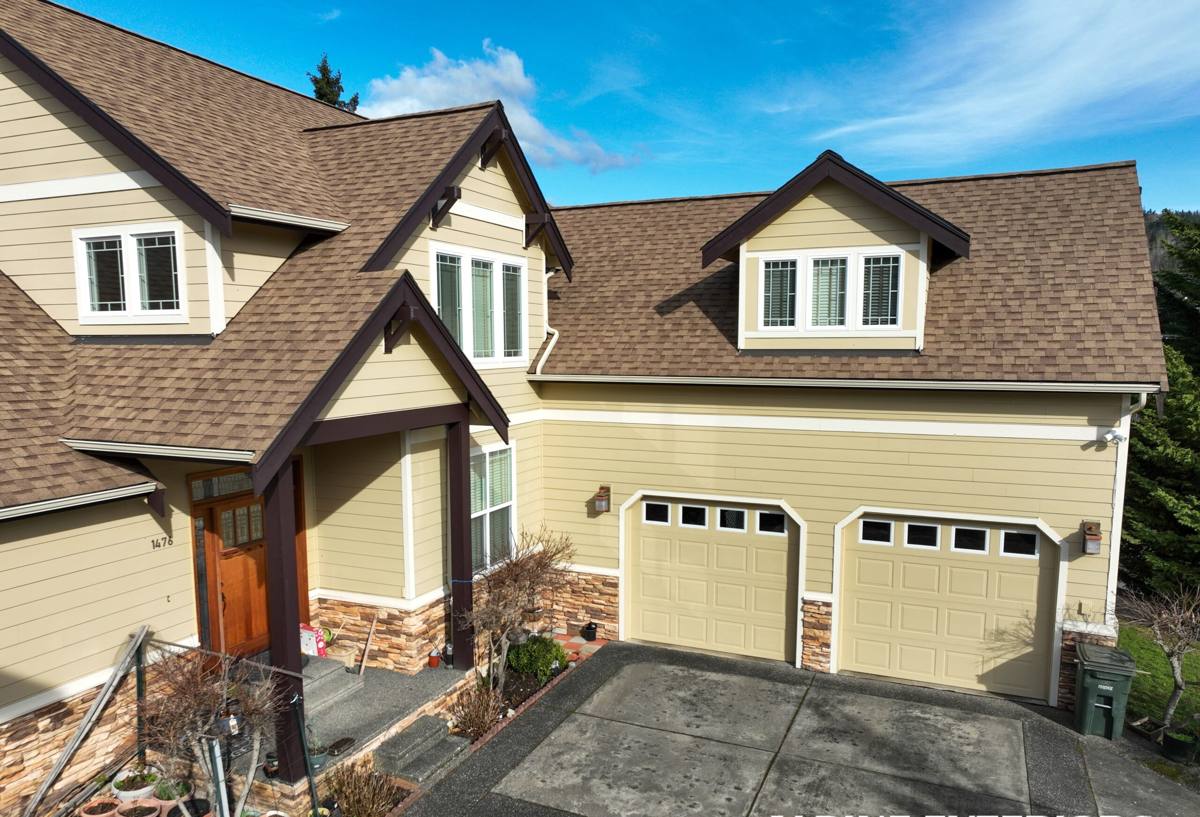
This page is about one specific job: repairing storm-damaged roofs on Silver Beach homes, done right the first time, by a crew that treats the repair as a system — decking, flashing, underlayment, and covering — rather than just a patch over the spot that's leaking.
Three Things Working Against Roofs in This Area
Salt-Tinged Marine Air
Whatcom County's marine climate means the air carries moisture and salt further inland than homeowners moving from drier regions tend to expect. That moist air accelerates corrosion on exposed nails, flashing, and any metal fasteners that weren't properly capped or coated. A roof that looks fine from the ground can have fastener heads rusting through underneath the shingle line, which is exactly the kind of weak point a storm exploits.
Driving, Wind-Blown Rain
Pacific storms here don't always drop the most rain — they drive it. Wind-blown rain finds gaps that vertical rain never would: under shingle tabs lifted by gusts, around vent boots that have started to crack, and at any flashing seam where sealant has aged past its useful life. A repair that only addresses the visibly torn or missing shingles without checking these entry points tends to fail again in the next storm.
A Moss Season That Runs Long
Shade, moisture, and mild temperatures give moss a long growing window here — often most of the year on north-facing slopes and anywhere tree cover keeps a roof from drying out between storms. Moss doesn't just look bad; it holds water against the shingle surface, lifts shingle edges as it grows, and breaks down the granule coating that protects asphalt shingles from UV and weather. A storm-damaged roof with an existing moss problem is repairing two issues, not one, and skipping the moss treatment means the same soft spots will be back within a season or two.
Signs Your Roof Took Storm Damage
Not all storm damage announces itself with an obvious hole. Walk the exterior and check the following after any significant wind or rain event:
- Shingles that are cracked, curled, creased, or missing entirely, especially on the side of the roof that faced the wind
- Granules collecting in gutters or at downspout outlets — a sign of shingle surface wear or impact damage
- Bent, lifted, or separated flashing around chimneys, vent pipes, skylights, or roof-to-wall junctions
- Soft or spongy spots when the roof is walked, which can indicate saturated decking underneath
- Water stains, discoloration, or a musty smell in the attic or on interior ceilings near exterior walls
- Gutters pulling away from the fascia or downspouts overflowing during rain, which points to blocked or damaged drainage
- Visible daylight through the roof deck when viewed from inside the attic
- Debris — branches, needles, moss clumps — built up in valleys where water is supposed to move freely
Any one of these on its own might be minor. Two or three together, especially after a named storm or a stretch of high wind, are worth a proper inspection before the next rain event finds the weak spot for you.
What a Correct Storm Repair Actually Involves
Emergency Tarping and Temporary Protection
If a storm has left an active leak or exposed decking, the first job is stopping water intrusion — not scheduling a full repair three weeks out. A proper temporary cover is fastened so it won't blow off in the next round of wind, and it's sized to protect the full damaged area plus a margin, not just the hole itself.
A Real Inspection, Not a Drive-By
A storm repair inspection should include getting on the roof (weather permitting) and into the attic, not just a look from the ground with binoculars. That means checking the decking for soft spots, tracing water stains back to their actual entry point (which is often several feet from where the stain appears), and assessing flashing, vent boots, and gutter attachment — not only the shingles that are obviously torn.
Flashing, Decking, and the Parts You Can't See
Shingles get the attention, but flashing and decking are where storm repairs succeed or fail. Rusted or bent flashing needs to be replaced, not resealed over. Any decking that's gone soft from sustained moisture has to be cut out and replaced — covering a rotten deck with new shingles just delays the next leak. This is also the point where a competent crew checks that ventilation is adequate, since poor attic ventilation keeps decking damp longer after any leak and speeds up moss and moisture problems generally.
Matching Materials the Right Way
For a partial repair on an older roof, the honest answer is that a perfect color match on aged shingles is rarely possible — sun exposure and moss staining change shingle color over years, and new shingles will stand out somewhat no matter what. A good crew will tell you that upfront, use the closest available match, and place repairs where they're least visible when a full match isn't realistic, rather than overselling a seamless result that isn't achievable.
Repair or Replace? What Actually Decides It
Storm damage doesn't always mean a full roof replacement, but it doesn't always mean a small patch either. The right call depends on a handful of factors:
| Factor | Leans Toward Repair | Leans Toward Replacement |
|---|---|---|
| Age of existing roof | Under 10-12 years, shingles still flexible | Nearing or past typical shingle lifespan |
| Extent of damage | Isolated to one section or slope | Spread across multiple slopes or the ridge |
| Decking condition | Solid, dry decking under damaged area | Widespread soft spots or rot found during inspection |
| Moss/organic buildup | Light, treatable buildup | Heavy, long-term buildup with granule loss |
| Prior repair history | First significant repair on this roof | Multiple past patches in different areas |
| Insurance scope | Adjuster scopes a defined repair area | Adjuster or inspection finds damage beyond original claim area |
The most useful thing a homeowner can do is get an inspection that reports honestly on all six of these, rather than a quote that only addresses the visible damage. A roof that's repaired without checking decking condition or moss extent can end up costing more over two or three repairs than a single, correctly scoped job would have.
Working With Your Insurance Claim
Most storm damage repairs on Silver Beach homes involve a homeowner's insurance claim, and the process goes smoother when the contractor and the adjuster are looking at the same information. A few things help:
- Document damage with photos as soon as it's safe to do so, before any temporary repairs change what's visible
- Get a written inspection report that itemizes damage separately from repair recommendations, so it can be shared directly with the adjuster
- Ask whether the contractor will meet the adjuster on-site — a second set of trained eyes during the adjuster's visit often catches damage that gets missed from the ground
- Keep records of any temporary repairs (tarping, board-up) since most policies cover reasonable steps taken to prevent further damage
- Get the final repair scope in writing before work begins, so there's no ambiguity about what's covered versus what's an out-of-pocket upgrade
We're not a public adjuster and we don't negotiate your claim for you, but a clear, itemized inspection report makes that conversation with your insurance company go a lot faster.
Our Process, Start to Finish
- Initial call and scheduling — we get basic details about the damage and, if there's an active leak, prioritize a temporary fix
- On-site inspection — roof and attic assessment, photos, and a written report covering shingles, flashing, decking, and ventilation
- Written estimate — a clear scope of what needs repair, what materials will be used, and an honest note on any limitations like color matching
- Repair work — decking replaced where needed, flashing corrected (not just resealed), and shingles installed to match the surrounding roof as closely as available materials allow
- Final walkthrough — we go over the completed work with you before calling the job done
Why a Crew That Already Works Silver Beach Matters
Storm damage repair isn't a generic skill applied the same way everywhere. A crew that regularly works Silver Beach and the surrounding Fairhaven area already has a feel for how this climate ages a roof — which flashing details tend to fail first in this kind of weather, how much moss buildup is typical versus a sign of a bigger problem, and how local wind patterns during storms tend to concentrate damage on certain roof orientations. That local pattern recognition means fewer surprises during the inspection and a repair scope that accounts for problems before they become a second service call.
It also means accountability. A contractor working the same neighborhoods repeatedly has a reputation to maintain with the people living there, which is a different incentive than a crew that shows up after a storm from out of the area, does a quick patch, and moves on. If a repair doesn't hold, we're not hard to find.
Get a Free, No-Pressure Estimate
If your roof took damage in a recent storm, or you're not sure whether what you're seeing is storm damage or ordinary wear, we're glad to take a look. Fill out the form below for a free inspection and a written, honest estimate — no pressure, no obligation.