 Fairhaven Siding
 Siding Replacement Built for South Hill's Climate
South Hill sits close enough to the water that salt-laden air is a daily fact of life, and far enough into Whatcom County's marine weather pattern that driving rain and long, damp winters are the norm rather than the exception. Add in the tree cover and shade that many South Hill lots enjoy, and you get a near-perfect environment for moss, algae, and slow-building moisture problems on the outside of a house. Siding here doesn't just need to look good — it needs to survive a specific combination of salt, water, and shade that a lot of exterior products simply weren't engineered for.
When we talk about siding replacement in South Hill, we're not describing a generic service that happens to be offered in this neighborhood. The pitch of the roof, the amount of tree canopy over a lot, the age of the housing stock, and the exposure a home has to wind-driven rain off the water all change how siding fails and what a correct replacement needs to address. A crew that treats every job the same way, regardless of where the house sits, is going to miss things that matter here.
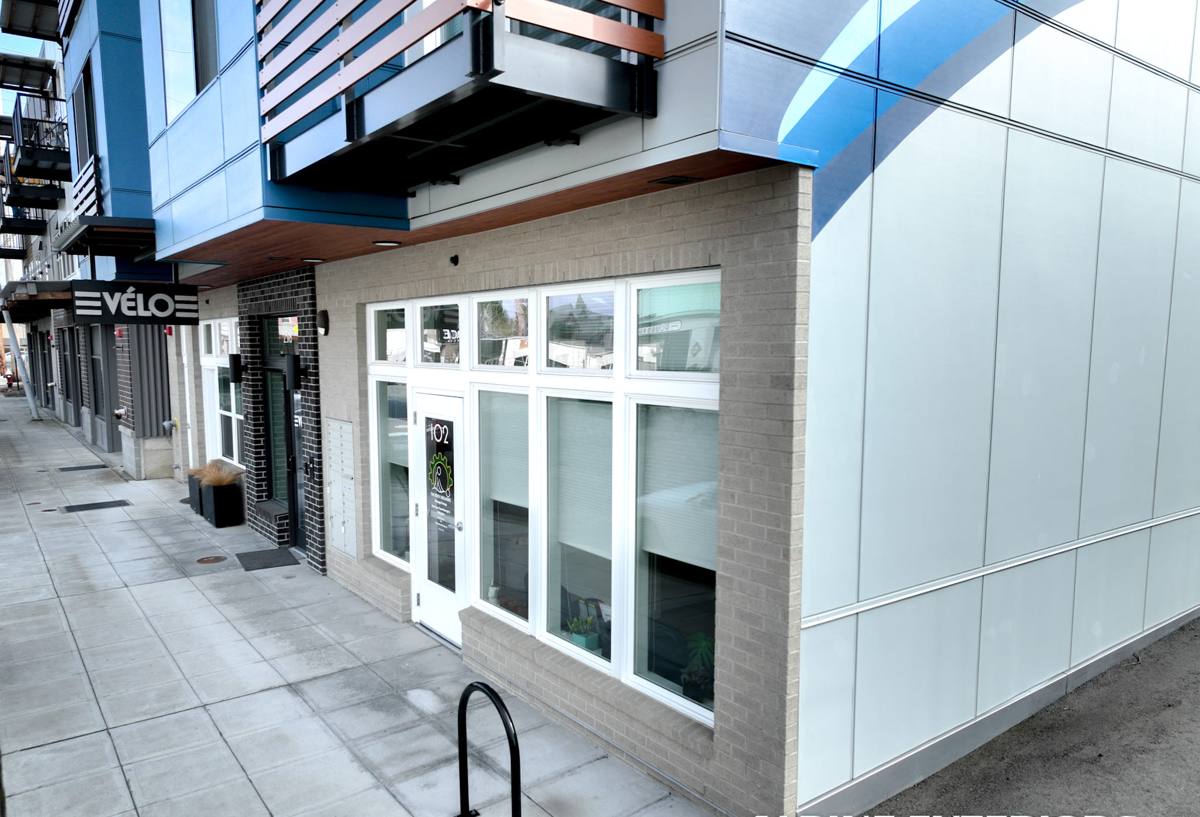
What This Climate Actually Does to Siding
Three forces do most of the damage on South Hill homes, and understanding them is the difference between a replacement that lasts and one that repeats the same failure in a decade.
Salt Air
Airborne salt is corrosive to metal fasteners, flashing, and trim, and it accelerates the breakdown of paint films and lower-grade siding materials. Over years, salt exposure works its way into seams and joints that weren't fully sealed, slowly degrading whatever is underneath.
Driving Rain
Rain in this area rarely falls straight down. Wind pushes it sideways and up under laps, around trim, and into any gap in the water-resistive barrier. Siding systems that rely on paint or caulk alone to keep water out — rather than a properly built drainage plane — tend to fail from the inside, long before the surface shows any obvious problem.
Moss and Sustained Moisture
Shaded, tree-covered lots stay damp longer after every rain event. That extended moisture window is exactly what moss, algae, and mildew need to establish themselves on siding, trim, and the gaps between them. Once organic growth takes hold, it holds moisture against the wall assembly even longer, which speeds up rot in anything wood-based underneath.
Signs a South Hill Home Needs Siding Replacement
Some of these signs are obvious from the ground; others take a closer inspection to catch. If a home is showing more than one or two of these, it's worth having someone look before small problems become structural ones.
- Soft, spongy, or crumbling spots when you press on the siding, especially near the bottom courses and around windows
- Paint that keeps failing in the same spots within a year or two of repainting
- Persistent moss or algae streaking that comes back quickly after cleaning
- Visible cupping, warping, or buckling in individual boards or panels
- Gaps opening up at butt joints, corners, or around trim and window casings
- A musty smell or visible staining on interior walls that back up to exterior siding
- Siding that's original to a home built more than 20-25 years ago, particularly wood-based products
What a Correct Siding Replacement Actually Involves
Replacing siding is not a cosmetic swap — the siding itself is only the visible layer of a system that has to manage water, air, and moisture together. Skipping steps here is how homes end up with the same rot problem five years after a "new" siding job.
Full Tear-Off, Not Overlay
We remove the old siding down to the sheathing rather than installing new siding over it. Overlaying traps whatever moisture or damage is already there and makes it impossible to inspect the wall assembly underneath — which matters a lot in a climate that's this good at hiding rot behind a dry-looking surface.
Sheathing and Framing Inspection
Once the old siding is off, we check the sheathing and framing for soft spots, delamination, or rot, especially around windows, doors, and any area with a history of water intrusion. Damaged material gets replaced before anything new goes back on — there's no point installing quality siding over a compromised substrate.
Water-Resistive Barrier and Flashing
A correctly lapped weather-resistive barrier, properly integrated window and door flashing, and a drainage gap behind the siding are what actually keep wind-driven rain out of the wall. This layer does more long-term work than the siding material itself, and it's the layer that's easiest to shortcut if a crew is moving too fast.
Fastening and Joint Detailing
Fiber cement siding has specific fastening patterns, gapping requirements, and joint treatment that James Hardie specifies for a reason — get it wrong and you introduce the exact stress cracking and water paths you were trying to avoid. Corners, butt joints, and penetrations get detailed to shed water, not just to look clean.
Factory-Finished Color, Not Field Paint
We install ColorPlus factory-finished Hardie products rather than field-painting siding after installation. A factory finish is baked on under controlled conditions and holds up to UV and salt air far longer than a field-applied coat, and it means no repaint cycle every few years to keep the color from chalking or fading.
Why We Install Only James Hardie Fiber Cement
We get asked regularly why we don't offer vinyl, LP SmartSide, or cedar as options. It's a fair question, and the honest answer is that we've standardized on one product because of how this specific climate treats siding over time.
| Material | How It Handles This Climate | Where It Falls Short |
|---|---|---|
| James Hardie fiber cement | Non-combustible, dimensionally stable, engineered HZ product lines for wet coastal climates, factory-applied ColorPlus finish resists fading and moisture damage | Heavier material, requires correct fastening and installation to perform to spec |
| Vinyl siding | Low upfront cost, no painting required | Can warp or crack in temperature swings, seams and J-channels give wind-driven rain a path inward, doesn't stop moss and algae from taking hold |
| LP SmartSide (engineered wood) | Lighter weight, easier to install than fiber cement | Wood-based core is more vulnerable to sustained moisture and rot if any seam or cut edge is left exposed, which is a real risk in a high-rain, high-shade climate |
| Cedar or primed spruce | Traditional look, natural material | Requires ongoing sealing, staining, or painting; most susceptible of the group to moss, rot, and insect damage in damp, shaded conditions |
Fiber cement isn't magic, and it isn't maintenance-free. What it offers is a material that doesn't feed moss, doesn't rot, doesn't warp with humidity swings, and holds a factory finish for decades when it's installed to spec. That combination is why it's the only product we put on homes, and why we think it's worth the added weight and installation care it demands.
Our South Hill Siding Replacement Process
- On-site assessment. We walk the exterior, check for the signs of failure described above, and look at exposure — sun, shade, wind direction, and proximity to water — since that shapes the recommendation.
- Written estimate and product selection. You get a clear scope of work, the Hardie product line and profile that fits the home, and a color selection from the ColorPlus palette.
- Tear-off and substrate inspection. Old siding comes off, sheathing and framing get inspected, and any repairs needed are flagged before installation starts, not discovered halfway through.
- Weather barrier and flashing installation. The water-resistive barrier and flashing details go in first, since this layer does the real work of keeping water out.
- Hardie siding installation. Installed to manufacturer fastening and gapping specs, with attention to corners, joints, and trim details that matter most in wind-driven rain.
- Final walkthrough. We go over the finished job with you, including how to care for the new siding through Whatcom County's wet season.
Cost Factors for South Hill Siding Replacement
Every home is different, so we don't publish flat prices, but these are the factors that actually move a siding replacement estimate up or down.
| Factor | Why It Matters |
|---|---|
| Home size and wall complexity | More square footage and more corners, dormers, and trim details mean more material and labor time |
| Substrate condition | Rot or moisture damage found during tear-off adds repair work that can't be quoted sight-unseen |
| Access and lot conditions | Sloped lots, mature trees, and tight setbacks common on South Hill properties can affect staging and equipment access |
| Siding profile and accessories | Lap width, trim style, and accent details all affect material cost and installation time |
| Existing siding removal | Multiple layers of old siding or extensive prep work adds to tear-off time |
What to Check Before Hiring a Siding Contractor Here
A siding job is only as good as the crew installing it, and fiber cement in particular punishes shortcuts. Before hiring anyone for a South Hill siding replacement, it's worth confirming the basics.
- Manufacturer training or certification on the specific product they're installing
- A written scope that includes tear-off, substrate inspection, and weather barrier work — not just "new siding installed"
- Proper licensing and insurance for exterior work in Washington
- A clear explanation of how they'll handle any rot or damage found once old siding comes off
- Familiarity with wind-driven rain detailing, not just a standard installation pattern
Why Local Experience on South Hill Matters
A crew that already works in and around Fairhaven and South Hill has seen how this exposure — the combination of salt air, driving rain, and shaded, moss-prone lots — actually plays out on real homes over years, not just in a manufacturer's install manual. That means fewer surprises during tear-off, better judgment about where extra flashing attention is worth it, and a realistic sense of how a home in this specific setting will hold up over the next 30 years. It's a different starting point than a crew driving in from outside the area with no track record in this climate.
Caring for New Siding Through Whatcom County's Wet Season
Correctly installed Hardie siding needs far less upkeep than the alternatives, but a little routine care goes a long way in this climate. A yearly rinse to knock down moss and grime before it establishes, keeping gutters and downspouts clear so water isn't dumping directly onto siding runs, and trimming back vegetation that keeps a wall shaded and damp all help the siding — and the ColorPlus finish — hold up for the long haul.
If your South Hill home is showing signs of siding failure, or you're simply planning ahead before the next wet season sets in, we're happy to take a look and give you a straightforward, no-pressure estimate — no obligation, just an honest read on what your home needs.