 Fairhaven Siding
 Roofs in Puget Work Harder Than Most
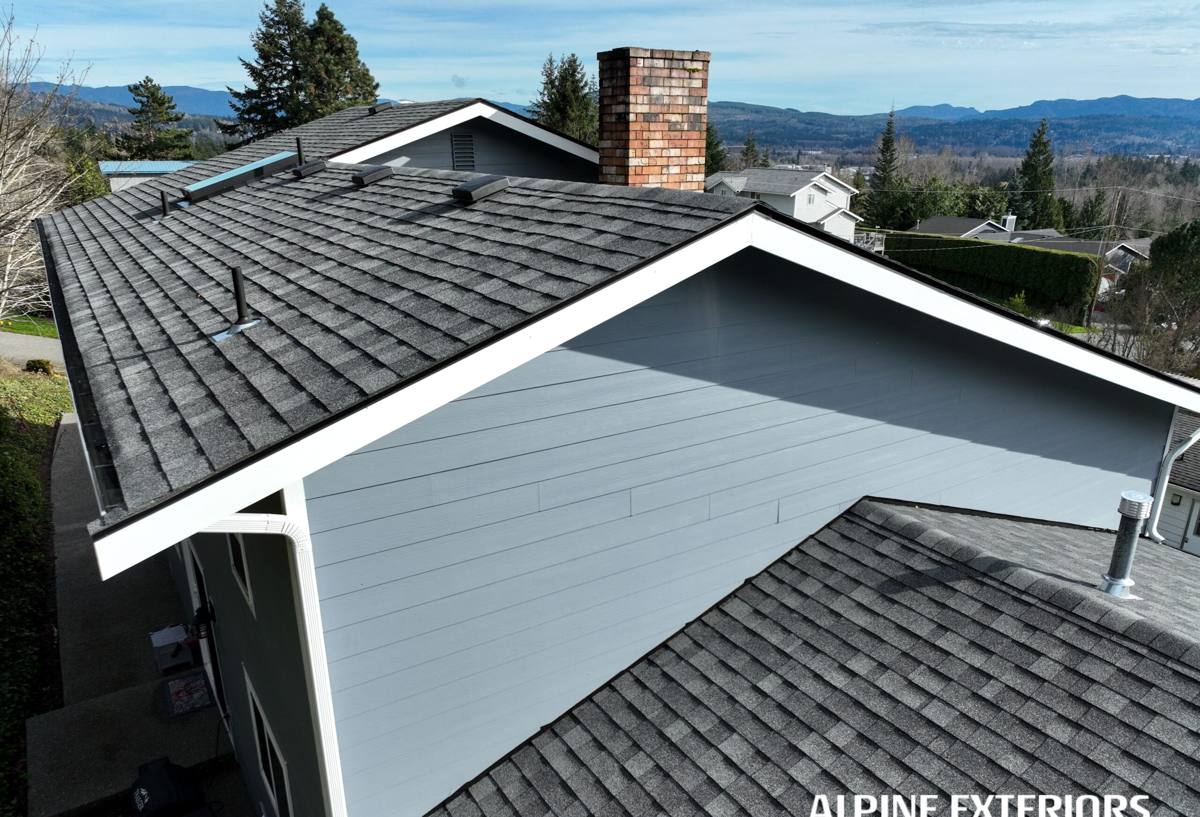
Homes in the Puget area of Fairhaven sit close enough to the water and under enough tree cover that their roofs face a combination most inland homes never deal with: salt-laden air, wind-driven rain coming off the Sound, and a moss season that can run most of the year. Any one of those factors will shorten a roof's life if it's ignored. Together, they're the reason a roof that looks fine from the driveway can be failing underneath, and why a replacement done without this climate in mind often needs redoing sooner than it should.
This page is about roof replacement specifically for homes in Puget — what the local conditions demand, what a correct job actually involves, and why it matters that the crew doing the work already knows this neighborhood.
What the Climate Actually Does to a Roof
Salt Air and Metal Fatigue
Proximity to the water means airborne salt settles on every exterior surface, including the roof. Over years, that salt accelerates corrosion on exposed fasteners, flashing, and any unprotected metal components. It's not dramatic — nothing rusts through in a season — but it steadily weakens the metal details that keep water out at valleys, chimneys, and roof-to-wall transitions. A roof built for a drier, inland climate often uses lighter-gauge or uncoated fasteners that simply weren't specified with salt exposure in mind.
Wind-Driven Rain and Hidden Leaks
Rain in this part of Whatcom County rarely just falls straight down. Storms off the Sound push rain sideways and upward under shingle tabs, around vents, and into any gap in the flashing that a calmer climate could get away with. This is why so many leaks in this area don't show up as an obvious drip — they show up as a stain that appears a few feet from where the actual entry point is, because wind-driven water travels along the underlayment before it finds a way through the deck.
Moss, Algae, and Shaded Slopes
Long, damp winters and shaded north-facing slopes give moss and algae a long growing season here. Moss does more than look bad — it holds moisture against the roofing material, works its way under shingle edges as it grows, and lifts tabs enough to let wind-driven rain in underneath. Left unchecked for a few seasons, moss growth alone can take years off a roof's life, especially on the shadier sections of a property.
Signs a Puget Home Is Due for Replacement, Not Another Repair
Repair makes sense when the damage is isolated. Replacement makes sense once the roof's underlying protection — the deck, the underlayment, the flashing system as a whole — is compromised broadly enough that patching one spot just shifts the problem to the next. Signs worth taking seriously include:
- Granule loss heavy enough that you're finding grit in gutters every season, not just after a storm
- Shingles that are curling, cupping, or losing their tab seal, especially on south- and west-facing slopes
- Moss or algae growth that keeps returning within a season or two of cleaning
- Soft spots or sag visible when walking the attic or viewing the roof deck from inside
- Rust staining or visible corrosion at flashing, vents, or exposed fasteners
- Daylight visible through the roof deck from inside the attic
- A roof approaching or past the manufacturer's expected service life for this climate, even without obvious leaks yet
- Multiple past repairs in different areas within just a few years
If you're seeing two or more of these, a replacement estimate is worth getting before the next problem shows up as interior water damage.
What a Correct Roof Replacement Involves
Tear-Off and Deck Inspection
A proper replacement starts with a full tear-off, not a layover. That's the only way to actually inspect the deck underneath for soft spots, rot, or damage from long-term moisture intrusion — problems that are invisible from above and that a layover would simply bury. Any damaged decking gets replaced before anything new goes down; installing new roofing over a compromised deck just guarantees an early failure.
Underlayment and Ice/Water Barrier
Given how much wind-driven rain this area sees, underlayment choice matters more here than in drier climates. We use synthetic underlayment across the field for its water resistance and tear strength, with self-adhering ice-and-water barrier at the eaves, valleys, and any roof-to-wall intersection — the spots where wind-driven rain is most likely to find a way in.
Flashing Details
Flashing is where most roof leaks actually start, not in the field of the roofing material itself. Every penetration — chimneys, vents, skylights, roof-to-wall junctions — gets new, properly lapped flashing as part of a replacement. Given the salt-air exposure in Puget, we use corrosion-resistant flashing and fastener materials rather than the standard-grade hardware that's fine in less exposed inland areas.
Ventilation
A roof deck that can't breathe traps moisture, and trapped moisture is what accelerates rot and gives moss a head start. Balanced intake and exhaust ventilation is part of a correct replacement, not an optional upgrade — it protects the new roofing system from the inside as much as good flashing protects it from the outside.
Material Options for This Climate
There's no single "best" roofing material for every home — it depends on budget, roof pitch, shading, and how much long-term maintenance an owner wants to take on. Here's how the common options compare for a home in this kind of environment:
| Material | Typical Lifespan | Moss / Algae Resistance | Salt-Air Durability | Relative Cost |
|---|---|---|---|---|
| Architectural asphalt shingle | 25-30 years | Good with algae-resistant granules; needs occasional cleaning on shaded slopes | Good, with corrosion-resistant flashing and fasteners | Moderate |
| Standing seam metal | 40-50+ years | Excellent — sheds moss and debris well due to smooth, steep-shedding surface | Requires coated or marine-grade fasteners near the water; otherwise very durable | Higher upfront |
| Synthetic/composite shingle | 30-40 years | Good, resists moisture absorption better than organic-based materials | Good | Moderate to higher |
| 3-tab asphalt shingle | 15-20 years | Fair — thinner profile holds less resistant granule coating over time | Fair | Lowest |
For heavily shaded Puget roofs specifically, we lean toward architectural shingles with algae-resistant granules or metal on the shadiest sections, since both hold up better against sustained moss pressure than a basic 3-tab product.
Our Process, Start to Finish
- On-site inspection. We walk the roof and attic, document current condition, and identify any deck or ventilation issues up front rather than discovering them mid-job.
- Written estimate. A clear, itemized quote covering material, tear-off, deck repair allowance, flashing, ventilation, and cleanup — no vague lump sums.
- Material selection. We walk through the trade-offs above based on your home's exposure, shading, and budget, so the choice fits the house, not just the price point.
- Scheduling around the weather. Given how much rain this area gets, we plan tear-off and dry-in around forecast windows so your home isn't left exposed longer than necessary.
- Tear-off and deck repair. Full removal of old roofing, deck inspection, and replacement of any damaged sheathing before new materials go down.
- Underlayment, flashing, and ventilation installed. The parts that determine whether the roof actually performs in this climate, done to spec rather than shortcut.
- Final walkthrough. We review the completed roof with you, confirm cleanup is thorough — including a magnetic sweep for stray fasteners — and go over basic care going forward.
Why a Crew That Already Works in Puget Matters
A roofing crew that mostly works drier, inland areas doesn't think about salt-air fastener corrosion or moss-driven tab lift by default — because it doesn't come up often where they usually work. A crew that regularly handles roofs in Fairhaven and along the Whatcom County shoreline builds those details into the job automatically: the right flashing hardware, the right underlayment strategy, the right approach to shaded, moss-prone slopes. That local pattern recognition is the difference between a roof that's technically installed correctly and one that's actually built for what this specific area throws at it year after year.
Local experience also means fewer surprises with permitting and scheduling. We know the typical lead times and inspection expectations in this part of Whatcom County, and we build that into your timeline rather than guessing.
What Roof Replacement Costs Depend On
Every home is different, so exact numbers require an on-site look. But the main cost drivers are consistent, and understanding them helps you evaluate any quote you receive, including ours:
| Factor | Why It Affects Cost |
|---|---|
| Roof size and pitch | More square footage and steeper pitches mean more material and more labor time and safety setup |
| Number of layers to remove | Tearing off multiple existing layers takes longer and generates more disposal cost than a single layer |
| Deck condition | Rot or soft decking found during tear-off requires sheathing replacement, which is priced separately from the roofing itself |
| Material choice | Asphalt, synthetic, and metal roofing carry different material and installation costs, as shown in the comparison above |
| Roof complexity | Valleys, dormers, skylights, and multiple penetrations all add flashing work and installation time |
| Access and staging | Tight lots, steep driveways, or limited equipment access can add setup time and cost |
We break all of this out in the written estimate so you can see exactly what you're paying for, rather than one flat number with no explanation behind it.
Protecting the Roof After Replacement
A correctly installed roof still needs some basic upkeep in this climate to reach its full expected life. Keep gutters clear so water isn't backing up under the eave edge, especially during the fall when trees are dropping debris. Have moss growth treated or removed before it has a chance to establish on shaded slopes rather than after it's already lifted shingle tabs. A brief visual check after major windstorms — looking for lifted shingles or displaced flashing — catches small issues before they become interior leaks. None of this requires a maintenance contract; it just means paying attention a couple of times a year.
If your roof is showing any of the signs above, or you'd simply like an honest read on how much life it has left, we're happy to take a look. Estimates are free, with no pressure and no obligation — just a straight answer about what your roof in Puget actually needs.