 Fairhaven Siding
 Metal Roofing Built for the Puget Stretch of Fairhaven
Homes in the Puget area near Fairhaven sit close enough to the water to catch salt-laden air off the Sound, and close enough to the hills to get pounded by driving, wind-driven rain for months at a time. That combination is hard on roofing. It's also exactly the environment metal roofing was designed to handle, provided it's specified and installed correctly for this specific microclimate. A metal roof installed the same way you'd install one in a dry inland town won't hold up the same way here — the fastener choices, the underlayment, the flashing detail, and even the panel finish all need to account for salt exposure and near-constant moisture.
We work this part of Whatcom County regularly, which means we're not guessing at what Puget-area roofs are up against. We see the same moss lines, the same corrosion patterns on old flashing, and the same failure points on roofs that were installed by crews unfamiliar with coastal Pacific Northwest conditions. This page covers what a metal roof needs to get right here, what our process looks like, and what to weigh before you commit.
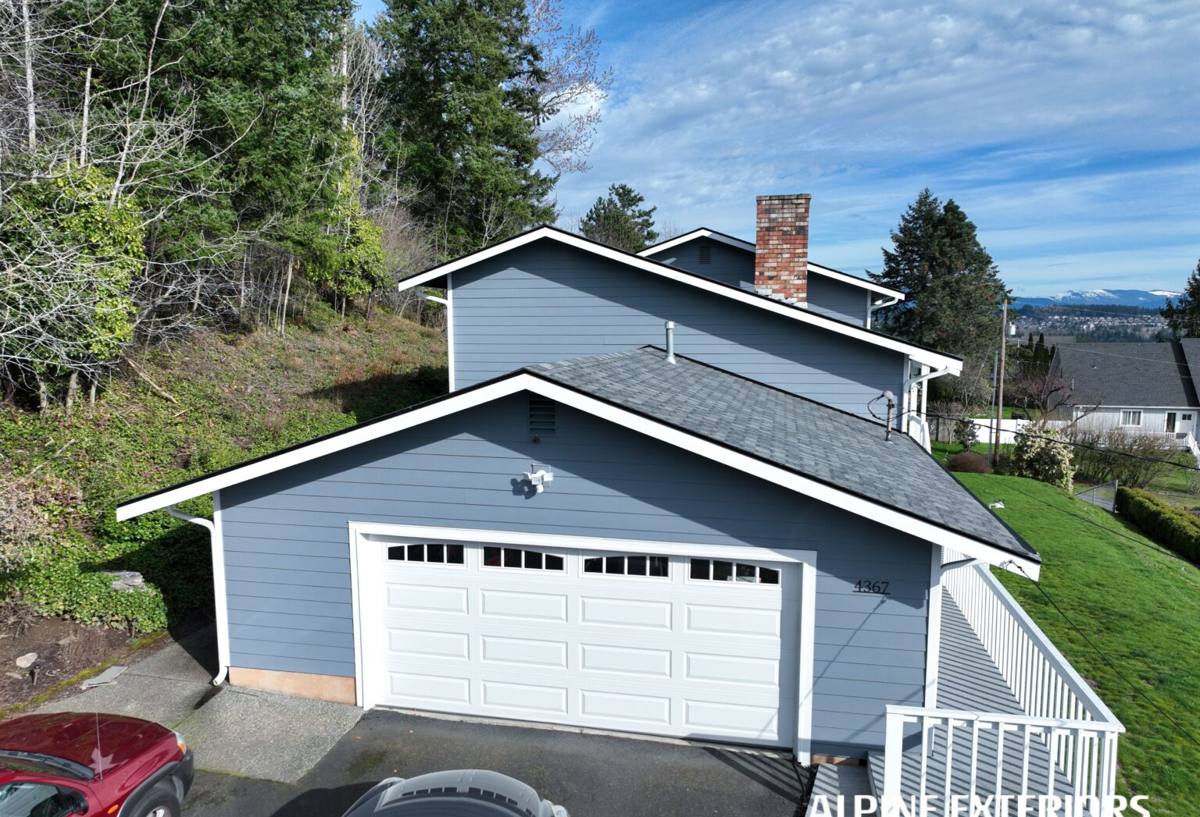
What Puget's Climate Actually Does to a Roof
Salt Air and Corrosion
Proximity to Puget Sound means airborne salt settles on every exterior surface, including the roof. Salt accelerates corrosion on fasteners, flashing, and any metal component that isn't rated for coastal exposure. This isn't a dramatic, fast process — it's slow and cumulative, which is why it's often ignored until fasteners start bleeding rust streaks down a panel or flashing seams start failing from the inside out.
Driving Rain and Wind-Driven Moisture
Fairhaven's weather doesn't just rain straight down — storms off the Sound push rain sideways, which forces water into laps, seams, and penetrations that would stay dry in a calmer climate. A roof detail that's "good enough" in a low-wind area can leak here within a few seasons if the laps and flashing aren't sized and sealed for wind-driven water.
Moss and Shade
Whatcom County's long, wet moss season is real, and it's not just cosmetic. Moss holds moisture against roofing material, works into seams, and on some materials creates a foothold for granule loss or surface degradation. Metal roofing resists moss far better than asphalt shingles because there's no rough, absorbent surface for spores to colonize, but valleys, low-slope sections, and shaded north faces still need attention.
Why Metal Roofing Fits This Environment
Metal roofing has a real advantage in a climate like this one: it sheds water fast, it doesn't absorb moisture into a mat the way asphalt shingles do, and a properly coated panel resists moss and algae growth far longer than most alternatives. It also holds up under wind-driven rain better than lapped shingle products, provided the panel system and fastening pattern are rated for it.
That said, "metal roofing" isn't one product — panel type, coating, and fastening method all matter, and the wrong combination can underperform in salt air just as easily as any other material. This is where the details of the job matter more than the marketing on the panel itself.
Panel and Fastener Choices That Matter Here
- Corrosion-resistant fasteners rated for coastal exposure, not standard interior-grade hardware
- Panel coatings and finishes suited to salt air, with attention to any cut edges exposed during install
- Concealed-fastener panel systems where uplift and wind-driven rain resistance matter most
- Dissimilar-metal separation so flashing, fasteners, and panels don't set up galvanic corrosion against each other
- Ice-and-water or high-quality synthetic underlayment at eaves, valleys, and penetrations, not just field felt
What a Correct Metal Roof Installation Involves
A metal roof is only as good as the details underneath it. The panels get the attention because they're visible, but the parts that actually determine whether the roof leaks are the underlayment, the flashing, and the fastening pattern — all things you won't see once the job is done.
Underlayment and Deck Prep
Before any panel goes down, the deck gets inspected for rot, soft spots, and prior water damage — common on older Fairhaven homes that have had one or more roofs over the years. A synthetic or ice-and-water underlayment goes down as a secondary water barrier, which matters more here than in drier climates because it's the backup plan when wind-driven rain gets past the panel laps.
Flashing at Valleys, Walls, and Penetrations
Valleys, chimney and wall transitions, vent penetrations, and skylight curbs are where most roof leaks actually start, metal or otherwise. Flashing here needs to be sized generously for wind-driven rain, not just cut to the minimum code requirement, and sealed with materials rated for long-term UV and moisture exposure.
Panel Seams and Fastening Pattern
Panel overlap and fastening spacing both need to account for wind exposure specific to the site — a home on an open, exposed lot near the water needs a tighter fastening pattern than one tucked into a sheltered spot. This is a judgment call that comes from experience with the specific area, not a one-size-fits-all spec sheet.
Ventilation
Metal roofing performs best with proper attic or roof-deck ventilation. Without it, trapped moisture can condense against the underside of metal panels, which defeats a lot of the material's natural corrosion resistance. We check existing ventilation as part of every metal roof estimate, because retrofitting it after the fact is far more expensive than addressing it during install.
Comparing Roofing Options for a Puget-Area Home
| Factor | Metal Roofing | Asphalt Shingle | Wood Shake |
|---|---|---|---|
| Moss/algae resistance | Strong, especially with a resistant finish | Moderate; granules trap moisture | Weak without regular treatment |
| Wind-driven rain performance | Strong with proper laps and flashing | Moderate; depends on nail pattern and wind rating | Weak; gaps between shakes are vulnerable |
| Salt air corrosion risk | Low with coastal-rated fasteners/coatings | Not a corrosion concern, but granule wear increases near salt spray | Not a corrosion concern; wood decay risk instead |
| Typical lifespan here | 40–60+ years with correct install | 15–25 years depending on exposure | 15–25 years with maintenance |
| Maintenance burden | Low; periodic inspection and gutter/valley clearing | Moderate; moss treatment, granule loss over time | High; treatment, moss removal, replacement of individual shakes |
None of these numbers are guarantees — actual performance depends heavily on installation quality, site exposure, and upkeep. The table reflects general trade-offs, not a promise for any specific roof.
Our Process for a Puget-Area Metal Roof
- On-site assessment. We look at slope, exposure to wind and salt air, existing ventilation, deck condition, and any moss or moisture history specific to the property.
- Panel and system recommendation. We recommend a panel type, coating, and fastening approach based on that specific site's exposure — not a default package.
- Written estimate. You get a clear scope covering underlayment, flashing detail, fastener spec, ventilation work if needed, and disposal of the old roofing.
- Tear-off and deck repair. Old roofing comes off, the deck gets inspected, and any rot or soft spots get repaired before anything new goes down.
- Underlayment and flashing installation. This is the step that determines whether the roof actually keeps water out — done carefully, not rushed.
- Panel installation. Panels go down to the fastening spec set during the assessment, with attention to seams, laps, and penetrations.
- Final walkthrough. We go over the completed roof with you, including care and inspection points specific to a metal roof in this climate.
Cost Factors Specific to Puget-Area Metal Roofing
Every roof is different, and giving a fixed price without seeing the property wouldn't be honest. But the factors that typically move the price on a metal roof in this area are consistent:
- Roof size, pitch, and complexity — more valleys and penetrations mean more flashing labor
- Panel type and coating grade, especially if you're upgrading to a coastal-rated finish
- Condition of the existing deck once old roofing is removed
- Whether ventilation upgrades are needed alongside the roof
- Site access — tight lots or steep pitches affect labor time and equipment needs
As a general range, metal roofing costs more upfront than asphalt shingles, but the gap narrows over the life of the roof once you account for shingle replacement cycles and moss maintenance in a climate like this one. We'll walk through actual numbers for your specific roof during the estimate rather than quoting a number that doesn't mean much without seeing the property.
Signs Your Current Roof Needs Attention
Homeowners in the Puget area often call us after noticing one of these signs, which are worth checking before they turn into interior damage:
- Rust streaking below fasteners or flashing seams on an existing metal roof
- Moss buildup concentrated in valleys or on shaded north-facing slopes
- Granule loss or bald patches on an aging asphalt roof, especially near the water
- Water stains on interior ceilings after a wind-driven rain event
- Soft or spongy spots noticed during gutter cleaning or exterior maintenance
None of these automatically mean a full replacement is needed, but they're worth a professional look before the next wet season.
Why a Crew That Already Works Puget Matters
Metal roofing is unforgiving of installation shortcuts in a climate like this one. A crew that mostly works drier, calmer regions may not default to coastal-rated fasteners, generous flashing details, or wind-appropriate fastening patterns, because those aren't things they have to think about most of the time. We work Fairhaven and the surrounding Whatcom County coastline regularly, so accounting for salt air, wind-driven rain, and moss exposure isn't a special adjustment for us — it's the standard we build to on every metal roof we install here.
That local familiarity also means we can tell you honestly whether a full metal roof, a repair, or a different approach makes the most sense for your specific home and budget, rather than pushing the most expensive option by default.
Get a Free, No-Pressure Estimate
If you're weighing a metal roof for a Puget-area home near Fairhaven, we're glad to come take a look, walk you through what your roof specifically needs, and give you a straightforward written estimate — no pressure, no obligation. Use the form below to get started.