 Fairhaven Siding
 Roofing in a Coastal Climate: What Sunnyland Homes Are Up Against
A roof in Sunnyland doesn't fail the way a roof in a dry inland climate fails. Out here, close to Bellingham Bay and the broader Whatcom County coastline, the damage is slower and less obvious — fasteners corrode from salt-laden air, water finds its way under flashing during wind-driven storms, and moss quietly works its roots into shingle mat during the long wet stretch that runs from fall through spring. A new roof installation in this area has to be built for that reality from the first course of underlayment, not patched for it later.
This page covers what that actually means for a Sunnyland home: what the climate does to different roofing systems, what a correctly installed roof includes, how our process works, and what to weigh before you hire anyone to do the job.
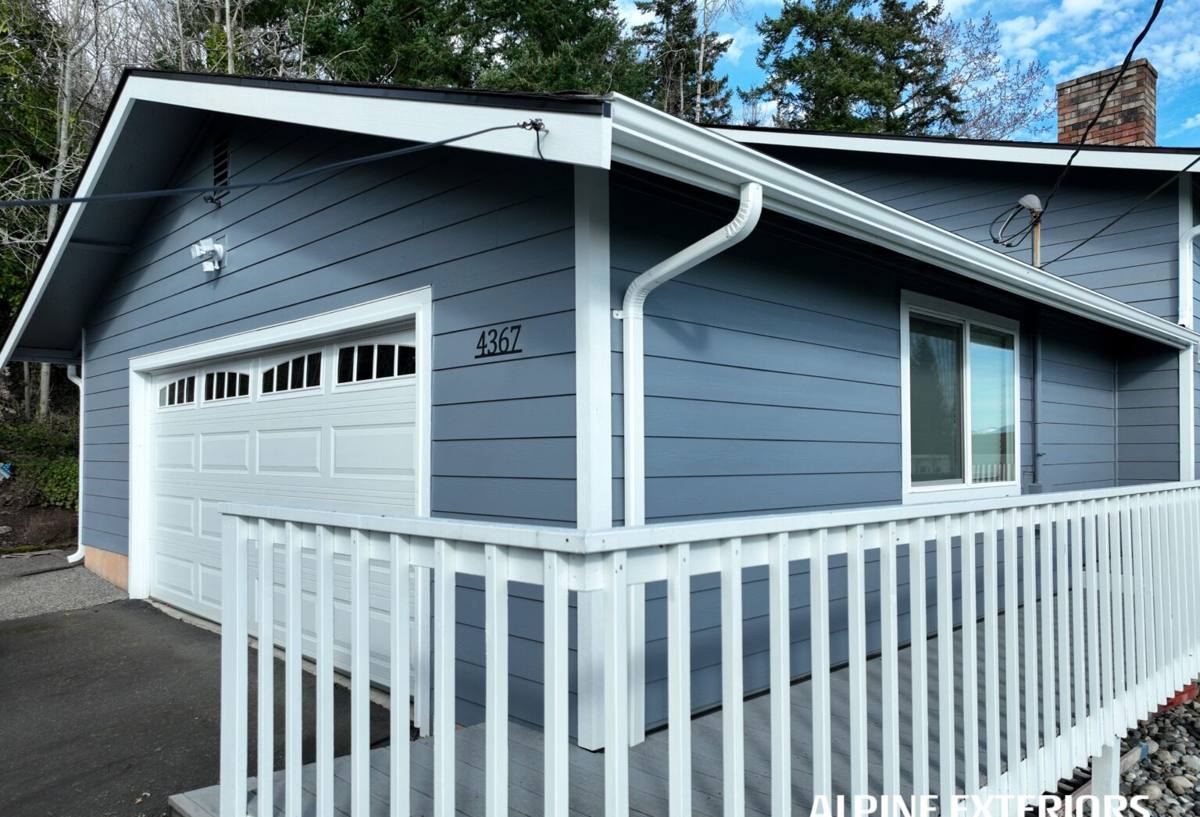
What Salt Air, Driving Rain, and Moss Actually Do to a Roof
Salt Air and Metal Fatigue
Homes within a few miles of Bellingham Bay live in a mild salt-air environment. It's not as aggressive as a direct oceanfront property, but it's enough to accelerate corrosion on exposed metal — nail heads, flashing seams, gutter fasteners, and any exposed metal roofing panels. Standard electro-galvanized fasteners lose their coating faster here than they would inland, which is why fastener and flashing metal selection matters more in Sunnyland than it does thirty miles east.
Wind-Driven Rain and Water Intrusion
Whatcom County storms often push rain sideways, not straight down. That matters because a roof only has to shed water that falls on it vertically to look fine most of the year — it takes a real storm to expose weak flashing, short underlayment laps, or a poorly sealed valley. Driving rain finds the gaps that gravity alone would never reach, which is why the flashing and underlayment details matter as much as the shingle or panel on top.
Moss, Shade, and Trapped Moisture
Sunnyland, like much of Bellingham, gets a long moss season. Moss needs shade, moisture, and something to grip — and an asphalt shingle roof with any north-facing exposure or tree cover gives it all three. Moss itself isn't just cosmetic: as it grows, it lifts shingle edges, holds water against the roof surface longer than the material was designed for, and works its rhizoids down into the shingle mat. Left unaddressed for a few seasons, moss growth can shorten a roof's usable life by years.
What a Correct New Roof Installation Actually Involves
Tear-Off and Deck Inspection
A proper install starts with a full tear-off, not a layover. That's the only way to actually inspect the roof deck — plywood or plank sheathing that's been holding moisture under old shingles is common on older Whatcom County homes, and any soft, delaminated, or rotted sections need to be cut out and replaced before anything new goes down. Skipping this step is the single most common shortcut that leads to problems years later.
Underlayment and Flashing Details
Given the wind-driven rain this area sees, underlayment coverage and lap direction matter. Self-adhered ice-and-water membrane belongs at eaves, valleys, and around every roof penetration — not just where code minimums require it. Flashing at walls, chimneys, and skylights should be step-flashed and counter-flashed correctly, not caulked as a substitute for proper metal work. Caulk is a maintenance item, not a flashing system.
Ventilation
A roof deck that can't breathe traps moisture from both directions — humid indoor air pushing up through the attic, and condensation forming under a cold roof deck on damp coastal nights. Balanced intake and exhaust ventilation keeps the deck dry from underneath, which matters just as much here as keeping rain out from above.
Choosing a Roofing Material for a Whatcom County Home
There's no single "best" roofing material — the right choice depends on the home's roof pitch, tree exposure, budget, and how much upkeep the owner wants to take on. Here's an honest comparison for a coastal Whatcom County setting:
| Material | How It Handles This Climate | Maintenance | Typical Lifespan |
|---|---|---|---|
| Architectural asphalt shingle | Good performance with proper underlayment; needs moss treatment in shaded areas | Periodic moss/debris removal, especially under tree cover | 25–30 years |
| Standing seam metal | Sheds driving rain well; needs corrosion-resistant fasteners near the bay | Low; occasional fastener and sealant check | 40–50+ years |
| Cedar shake | Traditional PNW look, but retains moisture and is highly moss-prone in shade | High; regular treatment or replacement of worn shakes | 20–30 years with upkeep |
| Synthetic/composite shingle | Resists moisture absorption better than wood; good in wet, shaded lots | Low to moderate | 30–50 years depending on product |
For most Sunnyland homes with mixed sun and shade exposure, a quality architectural shingle system with proper ventilation and moss-resistant granules covers the climate well at a reasonable cost. Homes with heavy tree shade or steep, hard-to-maintain pitches sometimes do better with metal or a synthetic product, simply because they demand less ongoing moss management.
Our New Roof Installation Process in Sunnyland
- On-site inspection and estimate. We walk the roof, check the attic for ventilation and moisture signs, and give you a written scope and price — no pressure, no inflated "today only" offer.
- Material selection. We go over the tradeoffs above based on your roof's pitch, shade exposure, and budget, and help you land on a system that fits.
- Full tear-off. Old roofing comes off completely so the deck can be inspected properly.
- Deck repair. Any soft or damaged sheathing is replaced before underlayment goes down — this is quoted up front where visible, and confirmed once the deck is exposed.
- Underlayment, flashing, and ventilation. Ice-and-water membrane at vulnerable areas, correctly lapped synthetic underlayment elsewhere, new flashing at all penetrations, and balanced ventilation.
- Roofing material installation. Installed to manufacturer specification, which is also what keeps the material warranty valid.
- Cleanup and final walkthrough. Site cleared, magnetic sweep for nails, and a walkthrough so you know exactly what was done.
What a New Roof Costs: The Real Factors
Every roof is different, so we won't quote a number without seeing it — but these are the factors that actually move the price, in rough order of impact:
| Factor | Why It Matters |
|---|---|
| Roof size and number of planes | More area and more valleys/hips means more material and labor |
| Deck condition | Rotted or delaminated sheathing found during tear-off adds repair cost |
| Material choice | Asphalt, metal, cedar, and synthetic options span a wide cost range |
| Roof pitch and access | Steep or hard-to-access roofs take longer and require more safety setup |
| Ventilation and flashing upgrades | Bringing an older roof's ventilation up to standard adds some cost but protects the investment |
Broadly, a straightforward asphalt shingle replacement on an average Sunnyland home runs in the mid-thousands to around ten thousand dollars range depending on size and condition; metal or premium synthetic systems run higher. We'll give you exact numbers after seeing the roof — not a phone estimate.
Before You Hire: A Sunnyland Homeowner's Checklist
- Confirm the contractor is licensed and insured in Washington, and ask to see current proof.
- Ask whether the quote includes a full tear-off or if a layover is being proposed.
- Get the underlayment and flashing details in writing, not just "shingle brand and color."
- Ask how attic ventilation will be handled, not just the roof surface.
- Ask about their experience with moss-prone, tree-shaded roofs specifically — it's a different install than a dry, open roof.
- Get the manufacturer warranty terms in writing, and understand what installation errors would void it.
- Avoid any contractor pushing a same-day signature or a price that only holds "today."
Why Local Experience in Sunnyland Matters
A roofer who only occasionally works this far into the coastal Pacific Northwest will default to generic underlayment coverage and standard fasteners because that's what works in most of the country. A crew that regularly works Bellingham and greater Whatcom County roofs already knows where the driving rain hits hardest on a given roof orientation, which fastener grade holds up near the bay, and which shaded slopes need moss-resistant materials from day one instead of a callback two years later. That local pattern recognition is the difference between a roof that just meets code and one that's actually built for where it sits.
Keeping Your New Roof Performing After Install
A correctly installed roof still benefits from basic seasonal attention in this climate. Clear debris from valleys and gutters before the fall rains build up, keep an eye on shaded or north-facing slopes for early moss growth, and have gutters checked so water isn't backing up under the eave edge. None of this is heavy maintenance — it's the kind of upkeep that lets a well-installed roof reach the full end of its expected lifespan instead of falling short of it.
If you're weighing a new roof for a Sunnyland property, we're happy to take a look and walk you through what your specific roof needs — no pressure, no obligation. Use the form below to request a free estimate.