 Fairhaven Siding
 Building New in Ferndale? Get the Windows Right the First Time
New construction gives you one real chance to get window installation right. Once the siding, trim, and interior finishes go on, correcting a bad flashing detail or an undersized rough opening means tearing into finished work. For homes going up in Ferndale and the surrounding Whatcom County area, that first chance matters more than in drier climates. Between salt-laden air off the bay, driving rain that comes in sideways during winter storms, and a moss season that stretches longer here than almost anywhere else in the state, a window installed with even a small gap in the water management plan will show it within a few years, not decades.
We install new-construction windows on homes throughout Ferndale and the Fairhaven area, working directly with builders, general contractors, and owner-builders. This page covers what that work actually involves, what the local climate demands from a window assembly, and why the installation details matter as much as the window brand itself.
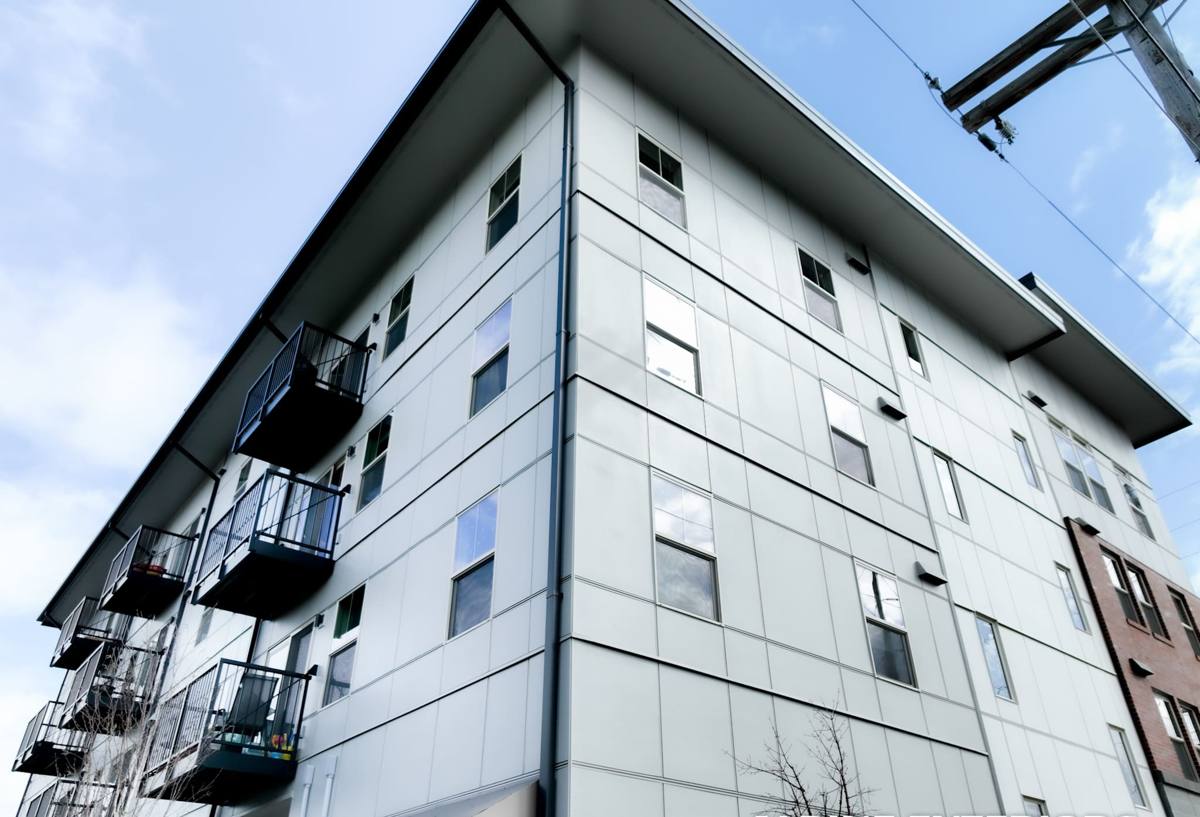
New-Construction vs. Replacement Windows: Why the Distinction Matters
"New-construction" isn't a marketing term — it describes a specific window design and a specific installation method, and confusing it with replacement work is one of the more common (and costly) mistakes on a build.
New-Construction Windows
These units have a nailing fin (also called a nail flange) around the perimeter of the frame. The fin gets integrated directly into the wall's water-resistive barrier (WRB) and flashing system before siding goes on. Because the fin is fastened to the sheathing and then flashed over, the window becomes part of the building's drainage plane — water that gets behind the siding is directed out and away from the window, not into the wall cavity.
Replacement (Pocket) Windows
These are built without a nailing fin and are designed to slide into an existing frame from the interior or exterior, relying on the old frame and existing exterior finish for weather protection. They're the right tool for a remodel where siding isn't coming off. They are not the right tool for new construction, and installing one in a new rough opening skips the flashing integration a new build needs.
On every new build or addition we work on in Ferndale, we install true nail-fin, new-construction windows and integrate them into the WRB before the siding crew ever shows up.
What Ferndale's Climate Actually Demands From a Window Installation
Ferndale sits close enough to Bellingham Bay and the Salish Sea that salt-laden marine air is a real factor on hardware, fasteners, and finishes — not just a coastal talking point. Combine that with Whatcom County's wet season, where driving rain regularly comes in at an angle instead of straight down, and you have two separate problems a window installation has to solve at once: keeping bulk water out, and keeping corrosive, moisture-heavy air from degrading materials over time.
Salt Air
Salt air accelerates corrosion on exposed fasteners, hinges, and lower-grade hardware. It also breaks down cheap sealants faster than a dry climate would. We spec corrosion-resistant fasteners and hardware and avoid sealants that chalk or crack early in salt-exposed conditions.
Driving, Wind-Driven Rain
A window that would perform fine in a calmer climate can still leak here if the flashing details aren't built to shed water under wind pressure, not just gravity. Sill pan flashing, proper head flashing with a drip cap, and correctly lapped WRB integration all matter more when rain is being pushed sideways into the wall.
Moss and Prolonged Dampness
Ferndale's moss season is long because the conditions that grow moss — shade, moisture, mild temperatures — persist for much of the year. Moss and algae growth around window trim and sills isn't just cosmetic; sustained dampness at a poorly flashed sill is exactly where rot starts. Good drainage details and the right trim material choices reduce how much moisture sits against wood long-term.
Window Materials: What Holds Up in This Climate
| Material | Salt Air / Moisture Performance | Maintenance | Typical Fit |
|---|---|---|---|
| Vinyl | Good — won't corrode or rot; UV can fade darker colors over many years | Low | Cost-conscious builds, rentals, spec homes |
| Fiberglass | Very good — dimensionally stable, resists moisture and corrosion well | Low | Higher-end new construction, larger openings |
| Aluminum-clad wood | Good exterior protection if cladding is intact; interior wood needs upkeep | Moderate | Custom homes wanting a wood interior look |
| Bare wood | Requires diligent maintenance in this climate; higher rot risk if finish fails | High | Historic-style builds where owner accepts upkeep |
| Aluminum (non-clad) | Prone to condensation and thermal transfer; less common in residential new builds here | Moderate | Commercial or specific architectural styles |
We don't push one material on every job. What we do insist on is matching the material to how much upkeep the homeowner or builder actually wants to commit to, and being honest about the trade-offs rather than overselling any one product.
Glass Packages Worth Considering
For Whatcom County's climate, we generally recommend double-pane, low-E glass with argon fill as a baseline for new construction — it balances energy performance with cost. On homes with more exposure to wind and driving rain, or where the owner wants better sound dampening from road or wind noise, triple-pane is worth pricing out as an upgrade. We'll walk through both options with actual numbers for your specific window schedule rather than quoting generic figures.
How We Install New-Construction Windows
The window itself is only part of the system. The installation sequence is what actually determines whether the wall stays dry for the next 20-plus years. Here's the process we follow on every new-construction opening:
- Rough opening check. We verify the opening is square, plumb, and sized correctly before the window ever arrives on site — catching framing errors now is far cheaper than after siding is on.
- Sill pan flashing. A sloped, sealed sill pan goes in first, so any water that does get past the window has a built-in path back out instead of pooling on the sill.
- WRB integration at the sill. The water-resistive barrier is lapped over the sill pan flashing following a shingle-style sequence, so water always drains down and out, never into a seam that traps it.
- Setting the window. The unit is set into the opening, checked for level, plumb, and square, and shimmed correctly so the frame isn't racked — a racked frame stresses the seals and can cause operable windows to bind.
- Fastening the nailing fin. The fin is fastened per the manufacturer's schedule, which matters for both structural performance and warranty coverage.
- Jamb and head flashing. Side flashing laps over the sill flashing, and head flashing with a drip cap laps over the side flashing and the WRB above it — again, always shingled so water sheds outward.
- Sealant at appropriate points only. We use sealant strategically, not as a substitute for correct flashing sequencing. Sealant fails eventually; proper lapping doesn't depend on it staying intact.
- Interior air sealing and insulation. The gap between the frame and rough opening gets air-sealed and insulated properly, which affects both energy performance and condensation risk at the frame.
Mistakes We See on New-Construction Window Installs
Most of the water intrusion problems we get called to diagnose in new-ish builds trace back to a handful of repeated errors, not a bad window:
- Sealant used in place of proper flashing laps, instead of alongside them
- WRB and flashing lapped in the wrong order, directing water into the wall instead of out
- No sill pan, leaving the raw sill exposed to any water that gets past the window
- Fastening the nailing fin inconsistently or skipping fasteners the manufacturer's schedule requires
- Racked or out-of-square installation that stresses seals and binds operable sashes
- Trim and cladding installed too tight to the frame, trapping moisture with nowhere to drain
Every one of these is avoidable with a correct sequence and someone on site who's done this enough times to catch it before the siding goes on and hides the problem.
A Practical Checklist for Your Ferndale Build
If you're a builder, GC, or owner-builder managing a new home in Ferndale, here's what to confirm with whoever is installing your windows:
- Are true new-construction, nail-fin windows being used — not pocket/replacement units?
- Is a sloped sill pan being installed at every opening before the window goes in?
- Is the WRB being lapped in the correct shingle sequence around each window?
- Are fasteners and hardware rated for coastal/marine exposure?
- Is head flashing with a drip cap included above every window, not just some?
- Will the installer walk you through the flashing details before siding covers them up?
- Does the manufacturer's warranty require a specific installation method, and is that method being followed?
Cost Factors on New-Construction Window Projects
| Factor | How It Affects the Job |
|---|---|
| Window count and size | Larger openings and more units mean more material and flashing labor |
| Material choice | Vinyl is typically the most cost-effective; fiberglass and clad-wood cost more upfront |
| Glass package | Triple-pane and specialty coatings add cost over standard double-pane low-E |
| Opening complexity | Bay windows, odd angles, and tall openings take more time to flash correctly |
| Site access and timing | Coordinating with framing and siding schedules affects labor efficiency |
| Exposure | Openings facing prevailing wind and rain may warrant upgraded flashing or hardware |
We won't quote a per-window price without seeing your window schedule and plans, but we're happy to walk through where your budget is going and where it makes sense to spend more versus where standard materials perform just as well.
Why It Matters That We Already Work in Ferndale
Window installation standards on paper look the same everywhere. What changes from place to place is which failure points actually show up in practice — and that only becomes obvious after seeing enough local homes a few years after they're built. Working regularly in Ferndale and the wider Fairhaven area means we've seen which flashing shortcuts hold up here and which ones don't, which hardware corrodes faster near the water, and where moss and sustained dampness tend to concentrate on a typical local elevation. That local pattern recognition doesn't replace following manufacturer instructions and code — it's what tells us where to be extra careful on top of the baseline.
We also know the local building department's expectations for new-construction window installs, which keeps inspections moving instead of stalling your framing-to-siding schedule.
Get a Free, No-Pressure Estimate
If you're planning a new build or addition in Ferndale and want windows installed with a real flashing and drainage plan behind them, reach out through the form below for a free estimate. We'll look at your plans, talk through material and glass options for your specific site, and give you a straight answer on timeline and cost — no pressure, no hard sell.