 Fairhaven Siding
 Why Windows Work Harder in a Place Like Marietta
Homes in and around Marietta sit close enough to the water that salt-laden air, near-constant humidity, and driving rain off Bellingham Bay are just part of daily life. Add in Whatcom County's long, low-sun winters and the moss season that comes with all that moisture, and window assemblies here take on a different kind of stress than they would inland. Wood swells and shrinks with the damp-dry cycle, seals get tested by wind-driven rain hitting the glass at an angle instead of straight on, and any gap in the weather barrier becomes an invitation for condensation, drafts, and eventually rot in the framing around the opening.
Energy-efficient windows are marketed everywhere as a way to cut heating bills, and that's true, but in a marine climate like this one the bigger win is often moisture control. A window that's properly rated and properly installed keeps the wet Pacific Northwest air outside the wall cavity, not just outside the glass. That distinction matters more here than in drier parts of the state.
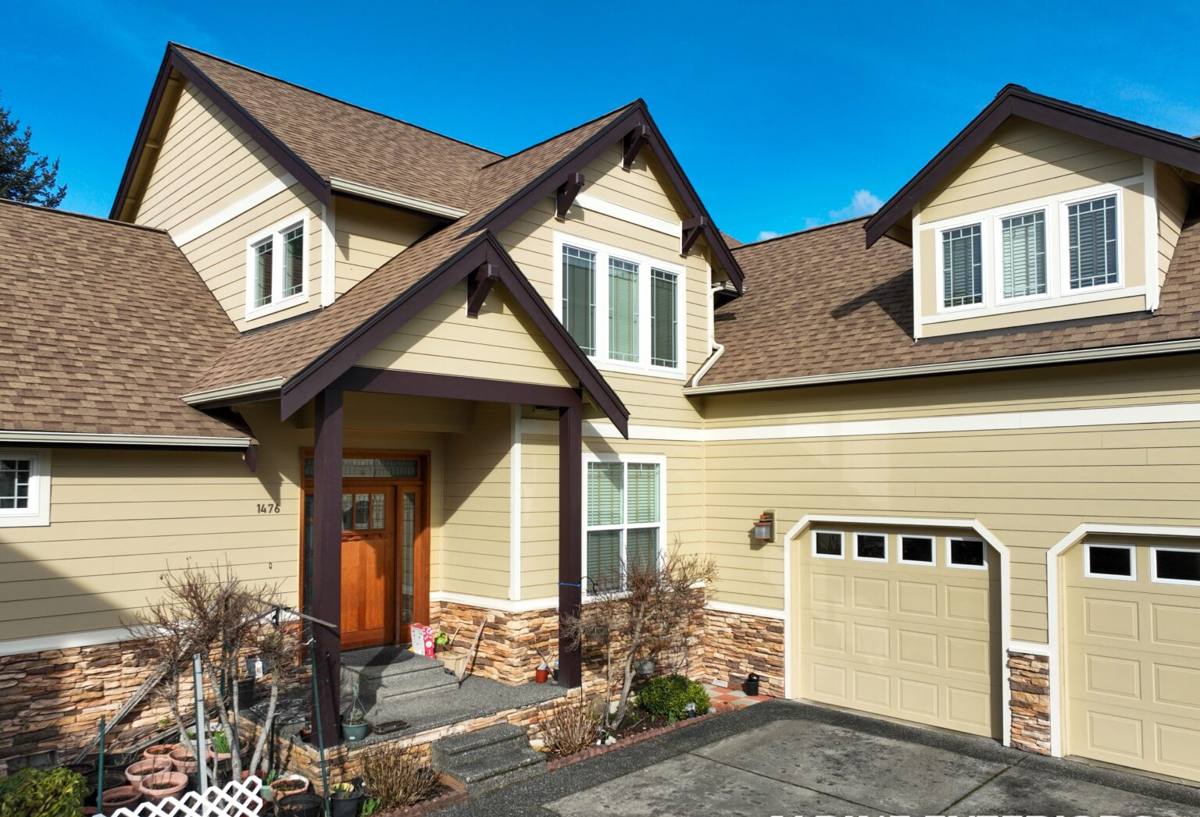
What "Energy-Efficient" Should Mean for a Marietta Home
Efficiency ratings are usually built around two numbers: U-factor, which measures how well a window resists heat loss, and Solar Heat Gain Coefficient (SHGC), which measures how much solar heat passes through the glass. For this part of Washington, where winters are mild but overcast and gray skies are the norm for months at a time, a low U-factor matters more than blocking solar gain — you're not fighting off intense summer sun the way a homeowner in eastern Washington might be. What you are fighting is heat loss through the glass and frame during long, damp, windy stretches, plus condensation forming on interior glass when warm indoor air meets a cold pane.
The Three Things That Actually Determine Performance
- Frame material and how well it resists moisture absorption and thermal transfer
- Glass package — number of panes, gas fill, and any low-E coatings
- Installation quality — flashing, sealant, and how the window ties into the existing wall assembly
All three matter. A high-end window installed poorly will underperform a mid-range window installed correctly, especially in a climate that punishes small gaps and shortcuts.
Signs Your Windows Are Already Costing You Money
Most homeowners don't think about window replacement until something is visibly wrong, but by the time you see obvious damage, the underlying problem has usually been developing for a while. In this climate, a few patterns show up again and again:
- Condensation or fogging between panes — a sign the seal has failed and the insulating gas fill is gone
- Soft or discolored trim and sills, especially on walls that face prevailing wind and rain
- Visible moss or dark streaking on frames and nearby siding, a sign moisture is lingering rather than shedding
- Noticeable drafts near the frame edges during windy weather
- Difficulty opening, closing, or locking — often a sign the frame has swollen or shifted
Any one of these on its own isn't necessarily an emergency, but a home with several of them at once is usually losing more heat — and taking on more moisture risk — than the owner realizes.
Frame and Glass Options That Actually Hold Up Here
There's no single "best" window for every home, but some materials and configurations are a better match for a marine, high-moisture climate than others. The table below is a general guide, not a hard rule — the right choice depends on your home's exposure, existing siding, and budget.
| Option | How It Handles This Climate | Trade-Offs |
|---|---|---|
| Vinyl frames | Doesn't absorb moisture or rot; handles the wet-dry cycle well | Can expand/contract with temperature swings; quality varies a lot by manufacturer |
| Fiberglass frames | Very stable dimensionally, strong moisture resistance, holds paint well | Higher upfront cost than vinyl |
| Aluminum-clad wood | Attractive interior wood look with a weather-resistant exterior shell | Any breach in the cladding can trap moisture against the wood core |
| Solid wood | Classic look, works well under deep overhangs with less direct rain exposure | Needs regular maintenance and repainting to resist rot in this climate |
| Double-pane, low-E, argon-filled glass | Solid baseline performance for our mild-winter, overcast climate | Triple-pane offers marginally better insulation but at real added cost |
As a general standard, we lean toward frame materials that don't depend on a perfect paint job to keep water out, simply because repainting on a strict schedule is easy to fall behind on, and this climate doesn't forgive that the way a drier one would.
What a Correct Installation Actually Involves
The window unit itself is only part of the job. In a high-moisture area, how the window is tied into the wall is just as important as what window you buy. A correct installation includes:
Removing and Inspecting the Opening
Before a new window goes in, we pull the old one and check the sheathing, framing, and sill for hidden rot or soft spots. Salt air and driving rain tend to find the same vulnerable corners of a house — sills and the bottom corners of an opening are the most common trouble spots we find.
Flashing and Water Management
Every opening gets flashed so that any water that does get behind the siding is directed back out, not trapped against the frame. This is the step that gets skipped most often on rush jobs, and it's the one that matters most for long-term durability in a wet climate.
Sealing and Insulating the Gap
The gap between the window frame and the rough opening needs to be insulated and air-sealed without over-packing it, which can bow the frame and affect operation. Exterior sealant beads need to be continuous, not just applied at the visible seams.
Final Adjustment and Testing
Every window gets checked for square, smooth operation, and a tight seal before we consider the job finished. A window that looks fine but doesn't latch true will leak eventually.
How Our Process Works
We keep the process straightforward and don't push products a home doesn't need:
- Free on-site assessment — we look at your current windows, note problem areas, and talk through what your home actually needs given its exposure and age
- Honest recommendation — options at a few price and performance points, with the trade-offs explained plainly
- Written estimate — clear on scope, materials, and timeline, no surprise add-ons later
- Installation — including flashing, sealing, and disposal of the old units
- Final walkthrough — we test every window with you before we consider the job done
We don't rush multi-window jobs just to get to the next appointment. Rain-prone weeks mean we sometimes have to sequence work carefully so openings aren't left exposed longer than necessary — that's a scheduling reality of working in this climate, not an excuse for delay.
What Affects the Cost
Every home is different, but the main cost drivers for a window project in this area tend to be the same few factors:
| Factor | Why It Matters |
|---|---|
| Frame material | Vinyl, fiberglass, and clad-wood options sit at different price points before labor |
| Number and size of openings | Larger or custom-sized windows cost more to source and install |
| Condition of the existing opening | Hidden rot or framing repair adds labor beyond a standard swap |
| Access and wall exposure | Upper-floor or hard-to-reach windows, and walls facing prevailing wind and rain, take more care and time |
| Glass package | Double-pane low-E is standard; triple-pane or specialty coatings add cost |
We give a broad range up front during the assessment and firm numbers once we've actually looked at your openings — not before.
Maintenance That Actually Extends Window Life Here
Even a well-installed, high-quality window benefits from a little seasonal attention in a climate this wet. A short checklist we give homeowners:
- Clear debris and moss from sills and tracks before it holds moisture against the frame
- Check exterior sealant beads once a year for cracking or gaps, especially after a hard winter
- Wipe down and inspect weatherstripping for compression or wear
- Watch for condensation between panes — it's a seal failure, not a cleaning problem
- Keep gutters and downspouts clear so runoff isn't sheeting directly down over window openings
None of this is complicated, but skipping it is exactly how small issues turn into frame or sill repairs a few years down the line.
Why It Matters That We Already Work in This Area
A crew that installs windows across a range of climates has to relearn the local conditions every time. A crew that works Fairhaven and the surrounding Whatcom County waterfront regularly already knows which wall orientations take the worst weather, which older homes tend to have hidden sill damage, and how to sequence a job around the area's rain patterns without leaving an opening exposed longer than it should be. That familiarity shows up in fewer surprises during the job and in installation choices — flashing details, sealant selection, frame material — that are suited to this specific climate rather than a generic install method.
If your Marietta home has drafty, foggy, or hard-to-operate windows, or you're planning ahead for a remodel, we're glad to take a look. The estimate is free, there's no pressure, and you'll get a straight answer about what your home actually needs — just fill out the form below to get started.