 Fairhaven Siding
 Window Replacement Built for Lummi Island's Marine Climate
Lummi Island sits out in the salt water of Whatcom County, and that changes what a window replacement job actually needs to accomplish. A window that performs fine in an inland neighborhood can fail early out here — not because it's a bad product, but because it was never matched to the conditions. Salt-laden air, wind-driven rain off the water, and a long, damp moss season put steady stress on frames, seals, and flashing that most manufacturers don't design around by default.
Fairhaven Siding Company works throughout Whatcom County, including Lummi Island, and we treat island homes as their own category of job. The goal isn't just to install a window — it's to install one that's going to hold up to this specific environment for decades, not just pass inspection on day one.
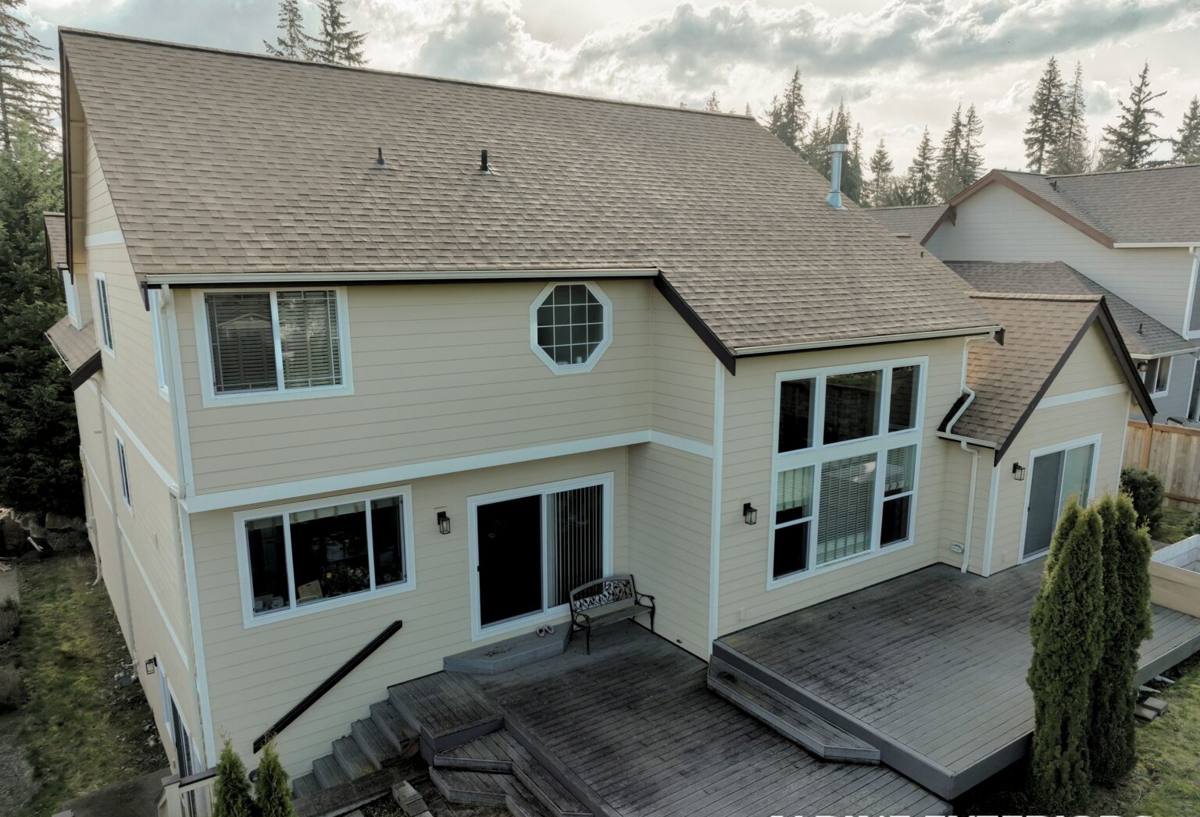
What the Marine Climate Actually Does to Windows
Understanding the failure modes out here helps explain why the details matter so much on this job.
Salt Air and Corrosion
Airborne salt settles on everything exposed to the outdoors, including window hardware, fasteners, and metal cladding. Over years, that salt exposure accelerates corrosion on lower-grade hardware, pits aluminum finishes, and can work its way into weep systems and locking mechanisms. Homes closer to the shoreline see this faster, but even properties set back from the water get a steady dose of salt-bearing air whenever the wind kicks up.
Driving Rain and Wind Pressure
Rain on Lummi Island rarely falls straight down. Wind off the water drives it sideways and forces it up under trim, into gaps, and against seals that were never tested for that kind of pressure. This is the number one reason windows leak — not because the glass unit failed, but because water found a path around the frame that a calmer, more sheltered site would never expose.
Moss, Mildew, and Trapped Moisture
Whatcom County's long wet season means moss and mildew get a genuine foothold anywhere moisture lingers — window sills, sashes, and the wood trim around older frames. On its own, surface growth is mostly cosmetic. The real problem is what it signals: moisture sitting somewhere it shouldn't, slowly breaking down wood, caulk, and the building paper behind the trim.
Signs a Lummi Island Home Is Ready for Replacement
- Fogging or a permanent haze between the panes — the sealed glass unit has failed and lost its gas fill
- Soft, discolored, or spongy wood trim or sill, especially on window walls facing the water
- Persistent moss or black staining on the sill or lower sash that comes back within weeks of cleaning
- Drafts or a cold line you can feel near the frame even when the window is fully latched
- Hardware that's corroded, stiff, or difficult to lock — a common early sign of salt exposure
- Visible daylight, gaps, or paint cracking along the frame-to-siding joint
- Noticeably higher heating bills without any other explanation
Any one of these can be a minor fix. Several at once, especially on a home more than 15–20 years old, usually means the windows are past the point where patching makes sense.
Choosing the Right Window for This Environment
Frame material and glass package matter more here than in a typical inland job. We walk every homeowner through the real trade-offs rather than pushing one product line.
| Frame Material | Performance in Salt Air / Driving Rain | Maintenance |
|---|---|---|
| Vinyl (quality, marine-rated) | Doesn't corrode; performs well if seals and reinforcement are properly specified | Low — occasional cleaning |
| Fiberglass | Very stable in temperature swings and moisture; strong long-term option near water | Low |
| Aluminum (uncoated or lower-grade) | Prone to pitting and corrosion from salt exposure over time | Higher — needs monitoring and refinishing |
| Wood (unclad) | Attractive but vulnerable to rot and moss growth without diligent upkeep | High — regular sealing and paint maintenance |
| Wood, clad exterior | Combines interior wood look with a protected exterior face; a common compromise choice | Moderate |
We generally steer homeowners toward vinyl or fiberglass systems with marine-grade hardware and a warranty structure that actually accounts for coastal exposure. That's a matter of our professional standard for this specific site condition, not a knock on any brand — every material has a place, and unclad wood or bare aluminum still make sense for some interior applications or sheltered locations. Out on the island, though, we'd rather steer you toward what holds up with the least maintenance burden.
Glass Packages Worth Considering
Double-pane, low-E, argon-filled units are the practical baseline for this climate — they cut heat loss and reduce condensation risk on cold, damp days. Homes with a strong western or water-facing exposure sometimes benefit from an upgraded low-E coating tuned for solar control, since afternoon glare off the water can be intense in summer.
What a Correct Installation Actually Involves
The window unit itself is only part of the job. Most leaks and premature failures trace back to installation details, not the product. On a driving-rain, salt-air site, we pay particular attention to:
Flashing and Water Management
Proper flashing — installed in the right order, lapped correctly with the weather-resistive barrier — is what actually keeps wind-driven rain out. Skipping or shortcutting this step is the single most common cause of hidden water damage behind a "new" window.
Sealants Rated for the Conditions
Not all caulks and sealants are built for constant salt and moisture exposure. We use products rated for exterior marine-adjacent conditions, applied at every joint that could otherwise let water track behind the frame.
Fastener and Hardware Selection
Standard fasteners can corrode faster than the window itself out here. We use hardware rated to resist salt-air corrosion so the weak point isn't a screw.
Sill and Framing Condition
Before a new window goes in, we check the rough opening and sill for hidden rot or moisture damage from the old unit. Installing a good window into a compromised opening just hides the problem for a while — it doesn't solve it.
How Our Process Works on Lummi Island
Getting materials and crews to and from the island takes real planning, and we build that into the schedule rather than treating it as an afterthought.
- On-site assessment: We walk the exterior, check existing window condition, sill and trim health, and note the home's specific wind and rain exposure.
- Honest recommendation: You get a clear read on which windows genuinely need replacing now versus which can wait, plus material options suited to your home's exposure.
- Measured, written estimate: Precise measurements and a straightforward proposal — no vague allowances.
- Coordinated scheduling: We plan crew time and material delivery around the ferry schedule so the job runs efficiently once we start, rather than losing days to logistics mid-project.
- Installation with proper flashing and sealing: Every unit goes in with the water-management details this climate demands.
- Final walkthrough: We check operation, sealing, and cleanup before calling the job done.
Cost Factors for Island Window Projects
Every home is different, but these are the main variables that move the price on a Lummi Island job:
| Factor | Why It Matters |
|---|---|
| Number and size of windows | Larger openings and multi-window projects affect both material and labor cost |
| Frame material chosen | Fiberglass and premium vinyl cost more upfront than basic vinyl or standard aluminum |
| Condition of the existing opening | Rot repair or reframing adds time and material beyond a straightforward swap |
| Access and logistics | Ferry scheduling and site access can affect crew time and delivery planning |
| Trim and exterior finish work | Matching existing trim or siding around the new window adds scope |
| Glass package | Upgraded low-E coatings or solar-control glass raise material cost modestly |
We give straightforward, itemized estimates so you can see exactly what's driving the number — not a flat per-window figure that hides what you're actually paying for.
Why a Crew That Already Works the Island Matters
Window replacement on Lummi Island isn't just a smaller version of a mainland job. A contractor who hasn't worked the island before is learning the logistics, the exposure conditions, and the material trade-offs on your project's dime. We've already done that homework — we know to plan around ferry timing, we know which frame materials and hardware hold up to this specific salt-air, driving-rain, moss-season combination, and we know what a rushed or shortcut flashing job looks like five years later.
That experience shows up in fewer surprises during the project and windows that are still performing well long after installation, instead of needing attention again in a handful of years.
A Practical Checklist Before You Call
- Note which windows are drafty, foggy, hard to operate, or showing wood damage
- Check sills and lower sashes for recurring moss or dark staining
- Look at your last winter's heating bills for any unexplained spikes
- Decide whether you're replacing a few problem windows or planning a full-home update
- Think about which exposures (water-facing, west-facing) matter most for glare and rain
- Have your home's approximate age and any past window work handy for the estimate
If your windows are showing their age, or you'd simply like an honest read on what condition they're in, we're happy to take a look. Fairhaven Siding Company offers free, no-pressure estimates for Lummi Island homeowners — just fill out the form below to get started.