 Fairhaven Siding
 Window Replacement in Ferndale Built for This Climate, Not Just Any Climate
Ferndale sits close enough to the water and open farmland that its homes take a steady beating from moisture, wind, and salt-laden air most of the year. Windows here don't fail the way they do in drier parts of the state. They fail from the outside in — through frames that never fully dry out, seals that give up a little every winter, and sills that quietly rot behind paint that still looks fine. Replacing windows in Ferndale isn't just a cosmetic upgrade or an energy-bill fix. Done right, it's a moisture-management job first and a comfort upgrade second.
We work throughout Whatcom County, and Ferndale's mix of older single-family homes, newer developments, and properties with direct exposure to wind off the water means we see the full range of window problems the marine climate causes. This page covers what that climate actually does to windows, what a correct replacement job involves, and how we handle it.
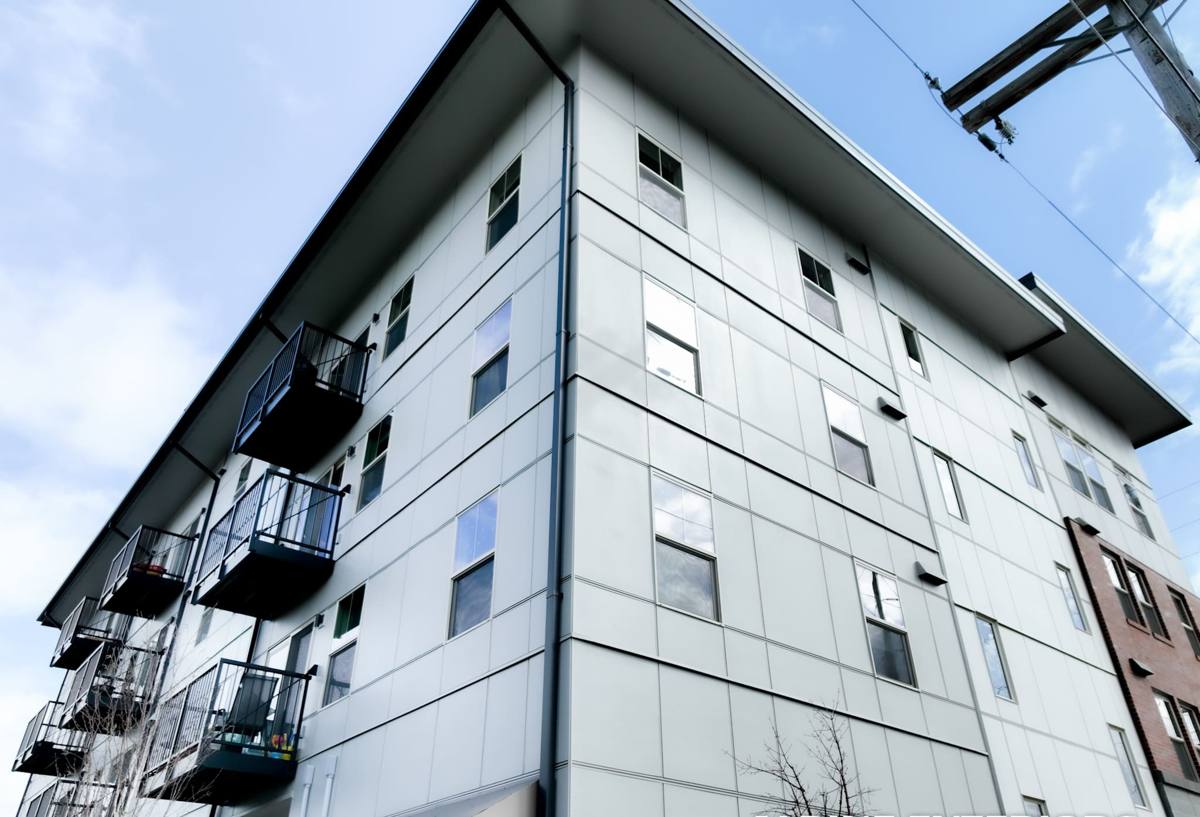
What Salt Air, Driving Rain, and Moss Season Do to Aging Windows
Three things wear out windows faster in Ferndale than in most inland areas, and they compound each other over time.
Salt Air
Even a few miles inland, airborne salt corrodes exposed metal hardware — hinges, cranks, balance springs, and screws — well before the glass or frame shows obvious wear. Aluminum-clad and lower-grade vinyl hardware is especially vulnerable. Once hardware starts binding or corroding, homeowners often force windows open and closed, which stresses the frame and breaks weatherstripping seals faster.
Driving Rain
Wind-driven rain doesn't just fall straight down — it gets pushed sideways and upward into any gap in flashing, trim, or sealant. Older windows installed without a proper sill pan or with sealant as the only line of defense are the ones we find with rot at the bottom corners, even when the glass and sash look perfectly fine. Water finds the weakest seam and works there, invisibly, for years before it shows up as a soft spot or a stain on an interior wall.
Moss and Algae Season
Whatcom County's long damp season means moss and algae get a foothold anywhere moisture sits without drying — window sills, the tops of trim boards, and any horizontal ledge. Beyond the appearance issue, moss holds moisture against wood and painted surfaces far longer than rain alone would, accelerating rot in exactly the areas already weakened by water intrusion. A window that looks a little green around the edges is usually staying wet longer than it should.
Signs a Ferndale Home Needs Window Replacement, Not Just Repair
Not every problem window needs full replacement — sometimes new weatherstripping or a resealing job buys real time. These signs, though, usually mean the window itself has reached the end of its service life:
- Fogging or a permanent haze between panes of double-glazed glass (the seal has failed and the gas fill is gone)
- Soft, spongy, or discolored wood at the sill or bottom corners of the frame
- Windows that are difficult to open, close, or lock, especially after damp weather
- Visible daylight or a draft you can feel with your hand around the frame edge
- Moss, algae, or persistent black staining on the sill that comes back shortly after cleaning
- Paint that bubbles or peels specifically around the window opening rather than the wall generally
- A noticeable jump in heating costs with no other explanation
- Condensation forming on the inside of the glass regularly during cold months
If you're seeing two or more of these on the same window, replacement is almost always the more cost-effective call than continued patching.
What a Correct Window Replacement Job Actually Involves
The window unit itself is only part of the job. In this climate, how it's installed matters as much as what's installed. A correct replacement includes:
Removing the Old Window Without Hiding Problems
We pull the old unit out fully rather than doing a quick "insert" replacement over existing framing whenever the opening shows signs of water damage. Covering up soft wood or compromised flashing just relocates the problem to behind a brand-new window, where it's harder to catch next time.
Inspecting and Repairing the Opening
Once the old window is out, we check the sill, jambs, and header for rot or moisture damage. Any compromised framing gets repaired before anything new goes in — installing a quality window into a damaged opening just wastes the upgrade.
Sill Pan Flashing and Proper Water Management
A sill pan creates a sloped, waterproof pathway that directs any water that gets past the window back outside instead of into the wall cavity. This is one of the details that separates a job that holds up through Whatcom County winters from one that leaks again in three years.
Integrating with the Existing Siding and Trim
Flashing, house wrap, and trim need to layer correctly — each material lapping over the one below it — so water sheds outward rather than getting trapped. This tie-in point between window and siding is where a large share of moisture problems start on homes that weren't originally built or previously repaired with this detail in mind.
Sealing That's Built to Move
We use sealants rated for exterior exposure and designed to stay flexible through temperature swings and constant damp-dry cycling, applied at the joints where movement and water intrusion are most likely — not as a substitute for proper flashing, but as a backup to it.
Choosing the Right Window Material and Glass for This Climate
Every frame material handles Ferndale's salt air, rain, and damp season a little differently. There's no universally "best" option — it depends on your budget, the home's style, and how much upkeep you want to take on.
| Frame Material | How It Handles This Climate | Upkeep |
|---|---|---|
| Vinyl | Doesn't rot or corrode; handles moisture well; can expand/contract with temperature swings if lower quality | Low — occasional cleaning |
| Fiberglass | Very stable in wet, salty air; minimal expansion/contraction; strong long-term seal performance | Low |
| Wood-Clad | Good insulation and appearance; the exterior cladding protects the wood, but any breach in the cladding lets moisture reach wood underneath | Moderate — monitor cladding seams |
| Aluminum | Prone to corrosion in salt air over time and conducts cold, leading to condensation | Moderate to high |
For most Ferndale homes, we steer customers toward vinyl or fiberglass frames specifically because they don't give salt air and constant moisture anything to work with. We're upfront about this as our professional standard, not a knock on every wood or aluminum window ever made — it's a trade-off between appearance, cost, and how much long-term maintenance a homeowner wants to sign up for in this particular climate.
Glass Packages Worth Considering Here
Low-E coatings and argon or krypton gas fills help with energy performance year-round, but in a marine climate the bigger day-to-day benefit is often reduced interior condensation, since better-insulated glass stays closer to room temperature. Double-pane glass is standard and adequate for most homes; triple-pane adds extra insulation and sound dampening, which some homeowners near busier roads or with west-facing exposure to weather find worthwhile, at added cost.
Our Window Replacement Process
- On-site assessment — we look at each window's condition, the surrounding trim and siding, and any signs of past moisture problems
- Product selection — we walk through frame material, glass package, and style options that fit your home and budget
- Accurate measurement and ordering — correct sizing avoids gaps that create future leak points
- Removal and opening inspection — old windows come out, and framing is repaired if needed before anything new goes in
- Flashing and waterproofing — sill pans and proper flashing layering, tied into the existing siding
- Installation and sealing — the new window is set, shimmed level and plumb, and sealed at all the right points
- Interior and exterior finish work — trim, caulking, and touch-ups so the job looks finished, not patched
- Final walkthrough — we check operation, seals, and finish with you before calling the job done
What Affects the Cost of Window Replacement in Ferndale
| Factor | Why It Matters |
|---|---|
| Window size and quantity | Larger openings and whole-house projects scale material and labor cost |
| Frame material | Vinyl is typically the most budget-friendly; fiberglass and wood-clad cost more upfront |
| Glass package | Triple-pane and specialty coatings add cost over standard double-pane Low-E |
| Condition of the opening | Rot repair or reframing adds labor beyond a straightforward swap |
| Siding and trim tie-in | Matching or repairing surrounding siding and trim affects both material and time |
| Access and window height | Second-story or hard-to-access windows take more time to install safely |
Whole-home window replacement is a meaningful investment, and per-window costs vary widely based on the factors above — we'd rather walk your home and give you real numbers than throw out a broad range that doesn't reflect your actual project.
Why a Crew That Already Works in Ferndale Makes a Difference
A window replacement crew that regularly works Whatcom County properties already knows what to expect before they pull the first old window: where moisture tends to hide, how local siding and trim details typically go together, and which frame materials hold up honestly in salt air and a long wet season rather than just on paper. That experience shows up in fewer surprises during the job and fewer callbacks after it — because the flashing, sealing, and material choices were made for this climate from the start, not adapted from a drier-climate playbook after the fact.
It also means straight answers. If a window opening has hidden rot, or if a particular frame material isn't a good long-term fit for a home's sun and wind exposure, we'll tell you before the work starts, not after.
After Installation: Keeping New Windows Performing Longer
New windows still benefit from basic seasonal attention in this climate:
- Rinse sills periodically to keep moss and algae from establishing, especially on north- and west-facing windows
- Check and lightly lubricate hardware once a year, since salt air affects even quality metal over time
- Inspect exterior caulking annually and touch up any cracked or separated sealant before winter rains arrive
- Keep gutters and downspouts clear so overflow doesn't run down onto window heads and trim
None of this is heavy maintenance — it's the kind of five-minute check that keeps a properly installed window performing the way it should for its full lifespan.
If your Ferndale home has windows showing any of the wear signs above, or you're planning ahead for a full replacement, we're happy to take a look and give you a straightforward, no-pressure estimate. Use the form below to get started.