 Fairhaven Siding
 Siding in Columbia Has to Answer to the Weather, Not Just Look Good
Homes in the Columbia area, tucked in close to Fairhaven and the water, deal with a specific combination of punishment that a lot of siding products simply weren't built for. You've got salt-laden air rolling in off Bellingham Bay, driving rain that doesn't just fall straight down but gets pushed sideways into walls, and a moss season that in Whatcom County can run most of the year in shaded, north-facing spots. Any one of those on its own is manageable. Together, over years, they expose weak points in siding materials and installations fast.
We install James Hardie fiber cement siding exclusively, and Columbia is exactly the kind of neighborhood where that decision gets tested. This page walks through what the local climate actually does to exterior walls, what correct Hardie installation looks like in a coastal, moss-prone setting, and what to look for when you're hiring someone to do the work.
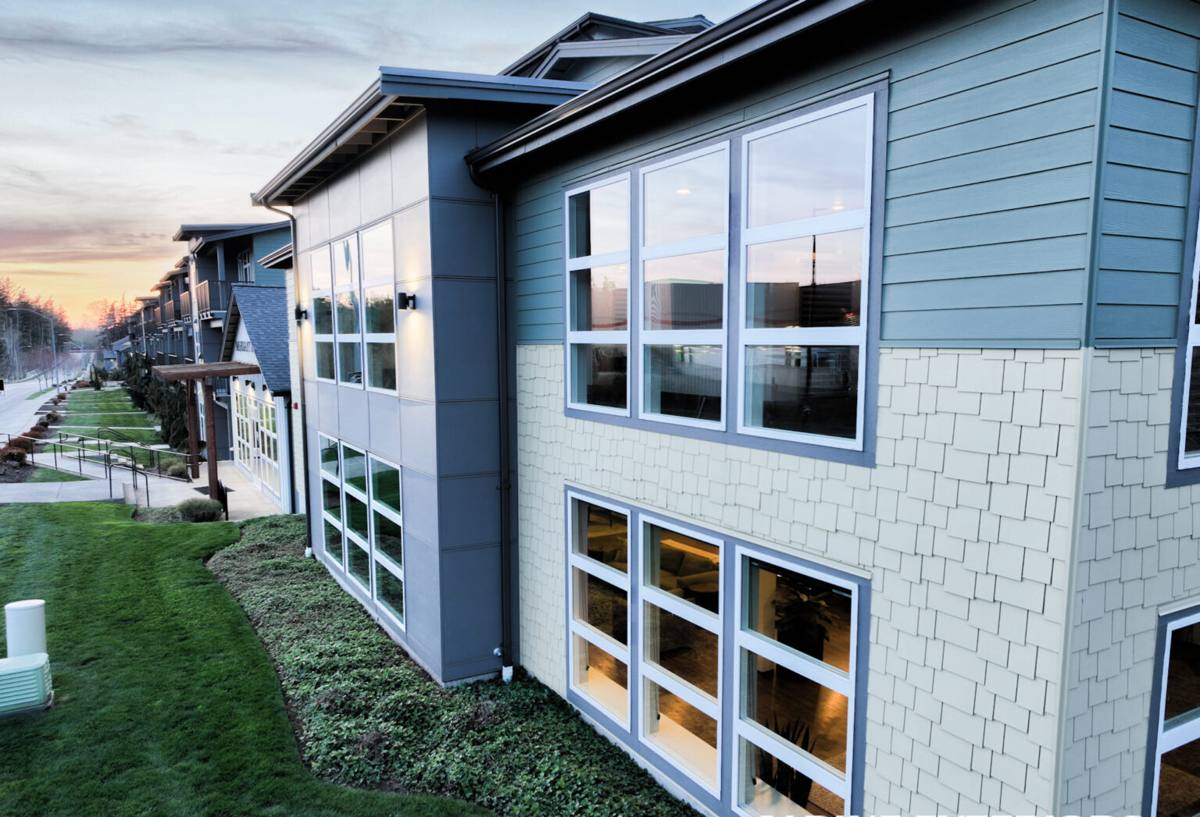
What Salt Air, Driving Rain, and Moss Season Actually Do to a House
Salt Air
Airborne salt is corrosive to metal fasteners, flashing, and trim hardware, and it can accelerate the breakdown of certain paints and coatings over time. Siding near the water needs fastener and flashing choices that account for that exposure — not just whatever's cheapest at the supply house.
Driving Rain
Wind-driven rain doesn't behave like a light shower. It gets forced up under laps, around window and door trim, and into any gap in the water-resistive barrier. A siding system's real job isn't looking good in dry weather — it's managing water that's actively trying to get behind it. Poor flashing details or wrong-sized gaps are where houses in this kind of climate actually fail.
Moss and Sustained Moisture
Long, mild, damp seasons are moss's favorite conditions. Moss and algae growth on siding isn't just cosmetic — sustained organic growth holds moisture against the surface longer than it would otherwise sit there, which matters a lot for materials that can absorb water or degrade under prolonged dampness.
Why We Standardized on James Hardie for Homes Like These
James Hardie fiber cement is engineered specifically to hold up under exactly this kind of exposure. It's non-combustible, dimensionally stable in freeze-thaw and wet-dry cycling, and available in HardiePlank HZ5 formulation — Hardie's product line engineered for the wetter, harsher climate zones on the West Coast, which fits Whatcom County. The factory-applied ColorPlus finish is baked on under controlled conditions and backed by its own finish warranty, which matters in a salt-air environment where field-applied paint tends to fade and chalk faster.
We don't install LP SmartSide, vinyl, Cemplank, Allura, or primed wood siding, and Columbia's climate is a big part of why. Engineered wood products use wood fiber that, no matter how well treated, remains more moisture-sensitive at cut edges and fastener penetrations than fiber cement. Vinyl can warp and doesn't hold color or paint reliably in coastal UV and salt exposure. Cemplank and Allura are also fiber cement, but we've standardized on Hardie specifically for its HZ climate engineering, ColorPlus finish track record, and warranty structure — not because competing fiber cement is a bad product, but because we'd rather be deeply expert in one system and install it right every time than spread that expertise thin.
How Siding Options Stack Up for a Property Like This
| Material | Moisture Behavior in Driving Rain | Salt Air Durability | Moss/Algae Resistance | Typical Finish Life |
|---|---|---|---|---|
| James Hardie Fiber Cement (HZ5) | Engineered for wet climates; stable when installed to spec | Non-combustible, dimensionally stable near water | Factory finish resists staining better than raw wood | 15+ years on ColorPlus finish, warranty-backed |
| Vinyl Siding | Sheds water but panels can warp/buckle | Can fade and become brittle faster in salt/UV | Susceptible to surface algae growth | Color fades over time, not repaintable |
| LP SmartSide / Engineered Wood | Wood-based; edges and cuts are moisture-sensitive | Requires diligent caulking/paint upkeep near salt air | Wood substrate more prone to moisture-related issues if coating fails | Field-applied finish, shorter repaint cycle |
| Primed Cedar/Spruce | Natural wood movement; needs consistent sealing | High maintenance in coastal, humid settings | Most susceptible without regular treatment | Repaint/reseal every few years |
What a Correct James Hardie Installation Involves
The product is only half the equation. A huge share of siding failures we see on older homes in wet coastal areas aren't material failures — they're installation shortcuts. For Columbia specifically, given the rain and salt exposure, these details matter more than usual:
- Weather-resistive barrier installed continuously behind the siding, lapped correctly so water sheds outward at every seam.
- Flashing at every penetration — windows, doors, hose bibs, light fixtures — installed so water is directed out and away, not trapped behind the cladding.
- Correct fastener type and placement, following Hardie's fastening schedule, using corrosion-resistant fasteners appropriate for a coastal environment.
- Proper clearances from grade, roof lines, and decks — Hardie specifies minimum gaps so the bottom edge of the siding isn't sitting in standing water or constant splash-back.
- Correct joint and butt-seam treatment, caulked or flashed per manufacturer spec rather than just butted together.
- Field-cut edges sealed where required, since factory-primed edges are part of what makes the ColorPlus warranty hold up.
Skip any one of these and you can have a technically "installed" Hardie job that still lets water in — which is why we treat the installation spec as non-negotiable, not a checklist to speed through.
Our Process for a Columbia Project
1. On-Site Assessment
We walk the exterior and look specifically at moisture exposure patterns — which walls take the worst of the driving rain, where moss and algae are already established, where existing trim or flashing shows signs of past water intrusion.
2. Scope and Product Selection
We talk through plank profile, exposure width, and color, and confirm the HZ5 climate-rated product and factory finish that fits the site. We also flag any rot, sheathing damage, or flashing issues found during the walk so there are no surprises once the old siding comes off.
3. Tear-Off and Substrate Check
Once old siding is removed, we inspect the sheathing and framing underneath. In a climate like this, hidden water damage behind old siding isn't rare — catching it now is a lot cheaper than dealing with it in five years.
4. Weather Barrier and Flashing Installation
This is the step that actually determines whether the house stays dry. We install the water-resistive barrier and flashing details before a single piece of Hardie plank goes up.
5. Siding Installation
Installed to Hardie's fastening and clearance specifications, with attention to the details above — especially around windows, doors, and any wall that takes direct wind-driven rain.
6. Final Walkthrough
We review the finished work with you, confirm caulking and trim details, and go over basic care so the finish holds up as intended.
What to Ask Before Hiring Anyone for Siding Work in This Area
Given how much installation quality matters here, vetting the contractor matters as much as picking the product. A few questions worth asking any siding crew before you sign anything:
- Are you a certified or factory-trained James Hardie installer, and can you explain their fastening and clearance requirements without looking them up?
- What's your plan for flashing around windows, doors, and other penetrations specifically?
- Will you inspect and address sheathing or framing damage if it's found during tear-off, and how is that priced?
- What warranty applies to labor versus the manufacturer's product and finish warranty?
- Have you worked on homes in this specific area before, and do you understand the exposure differences between a sheltered wall and one facing prevailing wind and rain?
- Is the bid clear about product line (HZ5 vs. standard), plank style, and finish — not just a lump-sum number?
Cost Factors for a Columbia Siding Project
We don't publish blanket per-square-foot pricing because every home is different, but these are the variables that actually move the number on a project in this area:
| Factor | Why It Affects Cost |
|---|---|
| Extent of tear-off and disposal | Full removal of old siding, trim, and any damaged sheathing adds labor and disposal cost |
| Substrate repair needed | Rot or water damage found behind old siding must be repaired before new siding goes on |
| Plank profile and exposure width | Wider reveals and certain profiles affect material quantity and install time |
| Trim and detail complexity | Homes with more corners, windows, and architectural detail take more flashing and cutting labor |
| Site access and stories | Multi-story walls, tight lot lines, or limited staging area affect scaffolding and labor time |
| Color/finish selection | Factory ColorPlus finish options vary in cost versus primed-for-paint product |
Living With Hardie Siding in a Moss-Prone, Salty Climate
Correctly installed Hardie siding is low-maintenance, but "low" isn't "zero." In Columbia's climate, a periodic soft wash to clear surface moss, pollen, and salt residue keeps the ColorPlus finish looking like it did on install day and prevents organic buildup from sitting against the surface long-term. Keeping gutters clear and vegetation trimmed back from walls also reduces the moisture load siding has to shed, especially on shaded, north-facing walls where moss establishes fastest. None of this is heavy upkeep — it's the kind of periodic care that any exterior surface in this region benefits from.
Why Local Experience Matters Here
A crew that already understands how Whatcom County's rain patterns, salt exposure, and moss season interact with a specific wall orientation is going to make better judgment calls on flashing details, product selection, and clearances than a crew installing Hardie for the first time in this kind of environment. That local pattern-recognition is part of what you're paying for on a coastal siding job — not just the labor of hanging planks.
If you're weighing a siding replacement or new install in the Columbia area, we're happy to walk the exterior with you, look at what your walls are actually dealing with, and put together a straightforward, no-pressure estimate using the form below.