 Fairhaven Siding
 Happy Valley's Climate Asks More of Your Siding Than People Realize
Happy Valley sits close enough to Bellingham Bay and the Fairhaven waterfront that homes here deal with a steady mix of salt-laden air, wind-driven rain, and long stretches of shade from mature tree cover. Individually, none of that is unusual for Whatcom County. Together, on a single wall assembly, they add up fast. Salt air accelerates corrosion on fasteners and trim. Driving rain finds the smallest gaps in flashing and works its way behind siding that looks fine from the street. Shade and moisture team up to grow moss and mildew on surfaces that never fully dry out between storms.
Siding replacement here isn't just about picking a product you like the look of. It's about picking a system that can shed water reliably, resist the salt and moisture cycle, and hold its finish through a moss season that can run most of the year. This page covers what that actually looks like for a Happy Valley home — the failure points specific to this area, what a correct installation involves, and why the crew doing the work matters as much as the material.
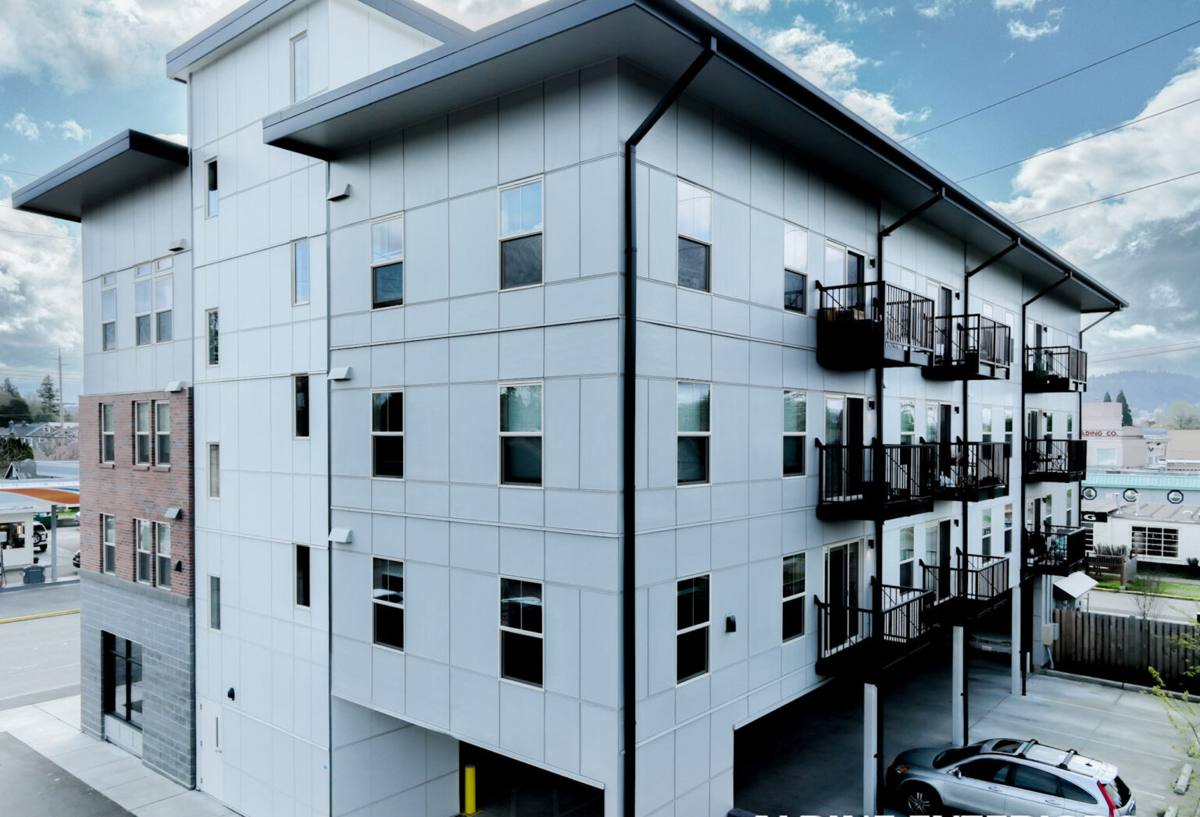
Signs a Happy Valley Home Needs Siding Replaced, Not Just Patched
Because this neighborhood's siding takes on moisture from more directions than a drier inland area, damage often shows up in patterns that are easy to miss until they're serious. Watch for:
- Dark green or black staining that keeps returning within weeks of cleaning — a sign moss and algae have a permanent moisture source, not just surface dirt
- Soft or spongy spots when you press on siding near the bottom courses, around windows, or at butt joints
- Paint that's bubbling, peeling, or chalking heavily on the north and west-facing walls that get the least sun
- Visible gaps, warping, or cupping in board-style siding, especially wood or engineered wood products
- Rust streaks below nail heads or trim fasteners, a common early warning sign in salt-air exposure
- Musty smells or visible mold on interior walls that back up to exterior siding
- Caulk that's cracked, shrunk, or missing at seams and penetrations
One or two of these on their own might mean a repair. Several at once, especially combined with siding that's already 20-plus years old, usually means the underlying material and moisture barrier have been compromised long enough that a full replacement is the honest recommendation.
What a Correct Siding Replacement Actually Involves
It Starts Underneath the Siding, Not With It
The siding itself is the least important variable in whether a wall stays dry. What's behind it — the weather-resistive barrier, the flashing at windows, doors, and roof-to-wall transitions, and the drainage gap that lets incidental moisture escape — determines whether water that gets past the surface actually leaves the wall assembly instead of sitting against the sheathing. In a rain-driven climate like this one, a replacement that skips or shortcuts this layer is a repeat problem waiting to happen, regardless of what siding goes on top.
Fastening and Trim Details Matter More Near the Water
Salt air shortens the life of standard fasteners and low-grade trim faster than most homeowners expect. Correct installation means corrosion-resistant fasteners driven to the manufacturer's spec, proper clearance at grade and roof lines so siding never sits in standing water or direct soil contact, and factory-finished trim rather than field-painted cuts left exposed at raw edges.
Ventilation Behind the Cladding
A drainage plane that lets air move behind the siding helps it dry out between the rain events this area gets regularly. Without it, moisture that does get in has nowhere to go, which is exactly the condition that grows moss, rot, and mildew fastest.
Why We Install Only James Hardie Fiber Cement
We get asked why we don't offer vinyl, LP SmartSide, or other engineered wood options. The honest answer is that we've standardized on James Hardie fiber cement because it holds up to this specific climate better than the alternatives, and we'd rather install one product correctly and stand behind it than offer several and hedge.
Fiber cement doesn't absorb water the way wood-based products can, which matters directly in a neighborhood dealing with prolonged shade and driving rain. It's non-combustible, which is a real consideration anywhere near wildland vegetation in Whatcom County's drier summer stretches. And Hardie's ColorPlus factory finish is baked on under controlled conditions rather than applied on-site, which gives it better adhesion and fade resistance than field-applied paint — a meaningful difference when a wall is going to spend years fighting salt air and moss growth rather than sitting dry.
That doesn't mean every other product is a bad choice for every homeowner everywhere. It means that for the conditions we see on Happy Valley homes specifically, we think fiber cement is the right trade-off, and we'd rather be straightforward about that than sell something we don't believe holds up here.
How Siding Materials Compare for This Neighborhood's Conditions
| Factor | James Hardie Fiber Cement | Vinyl | Engineered Wood (e.g. LP SmartSide) |
|---|---|---|---|
| Moisture absorption | Very low — cement-based core | Doesn't absorb, but seams and gaps allow water behind panels | Wood-based core can absorb moisture at cut edges and seams |
| Moss and mildew resistance | Factory finish resists staining; surface is easy to clean | Resists mildew growth but stains show on textured surfaces | More susceptible where finish is compromised or edges are exposed |
| Performance in salt air | Stable; fasteners and trim are the main variable | Can become brittle over time with UV and temperature swings | Finish and sealed edges need consistent maintenance |
| Fire resistance | Non-combustible | Melts/deforms under heat exposure | Combustible, wood-based |
| Finish longevity | Factory-baked ColorPlus finish, long warranty | Color is through-body but can fade and chalk | Field or factory paint, shorter repaint cycle typical |
No table like this covers every product on the market or every homeowner's priorities. It reflects the reasoning behind why we made fiber cement our standard rather than a menu of options.
Our Siding Replacement Process
- On-site assessment. We look at your current siding, the condition of the sheathing and moisture barrier underneath where visible, drainage at grade, and any trouble spots specific to your home's orientation and shade exposure.
- Scope and estimate. You get a clear, written breakdown of what's being replaced, what products and profiles we recommend, and why — no pressure to upgrade beyond what your home actually needs.
- Removal and inspection. Once old siding comes off, we inspect the sheathing and framing underneath for rot or moisture damage before anything new goes up. Problems found here get flagged and addressed, not covered over.
- Weather barrier and flashing. This is the step that determines long-term performance. We install or repair the weather-resistive barrier and flashing at every penetration, window, door, and transition before siding goes on.
- Siding installation. James Hardie panels or planks are installed to manufacturer spec — correct fastening, clearances, and joint treatment — with attention to the details that matter most in wind-driven rain.
- Final walkthrough. We review the completed work with you, cleanup is thorough, and you get documentation for your warranty coverage.
What Drives the Cost of a Happy Valley Siding Replacement
| Cost Factor | Why It Matters Here |
|---|---|
| Extent of hidden damage | Homes with long-term moisture exposure sometimes need sheathing or framing repair discovered only after old siding comes off |
| Home size and wall complexity | Dormers, multiple stories, and cut-up wall lines all add labor and trim detail |
| Siding profile and trim package | Lap, panel, and shingle-style Hardie products carry different material and labor costs |
| Access and site conditions | Mature landscaping, slopes, or tight setbacks common in older Fairhaven-area lots can affect staging and labor time |
| Existing flashing and barrier condition | Full replacement of the weather-resistive barrier and flashing system adds cost but is not optional where the old system has failed |
We don't publish a flat price per square foot because these variables swing the total more than any single number could reflect honestly. A site visit gives you a real, project-specific estimate instead of a guess.
Why a Crew That Already Works in Happy Valley Makes a Difference
A siding contractor who works this specific area regularly has already seen how the local combination of salt air, shade, and driving rain plays out on real walls — which orientations fail first, where moss takes hold fastest, and which flashing details actually hold up over a full Whatcom County winter. That's different from general siding experience picked up in a drier or more sheltered climate. It shows up in small decisions during the job: how much clearance to leave at grade, where extra flashing attention is warranted, which details are worth the extra time given what this neighborhood's weather does to a wall over the years.
It also matters for follow-through. A local crew is accountable to the neighborhood it works in — reachable if a warranty question comes up, familiar with the permitting expectations in the area, and not disappearing after the invoice clears.
Ready for a Straightforward Look at Your Siding
If your Happy Valley home is showing moss buildup that won't stay gone, soft spots, peeling paint, or siding that's simply past its service life, it's worth getting an honest, no-pressure assessment before problems behind the wall get worse. We'll walk the exterior with you, explain exactly what we see, and give you a clear, written estimate for James Hardie fiber cement replacement done to the standard this climate actually requires. Use the form below to request your free estimate.