 Fairhaven Siding
 Window Installation for Ferndale Homes
Ferndale sits close enough to the water and to the Nooksack lowlands that its homes take a different kind of weathering than houses twenty miles inland. Windows here don't just get old — they get pushed on constantly by moisture, salt-laden air, and long stretches of shade that never quite let anything dry out. A window installation done for a house in a drier part of the state, using the same assumptions about sealing and flashing, tends to fail early once it's transplanted to a Whatcom County lot. We install windows specifically with this coastal, moss-prone climate in mind, because that's the only kind of installation that actually holds up around here.
This page focuses on one service, in one area: window installation and replacement for homes in and around Ferndale. It's meant to give you a real, working understanding of what the job involves, what to watch for in your own windows, and how to tell a solid installation from one that's just going to cause problems in a few years.
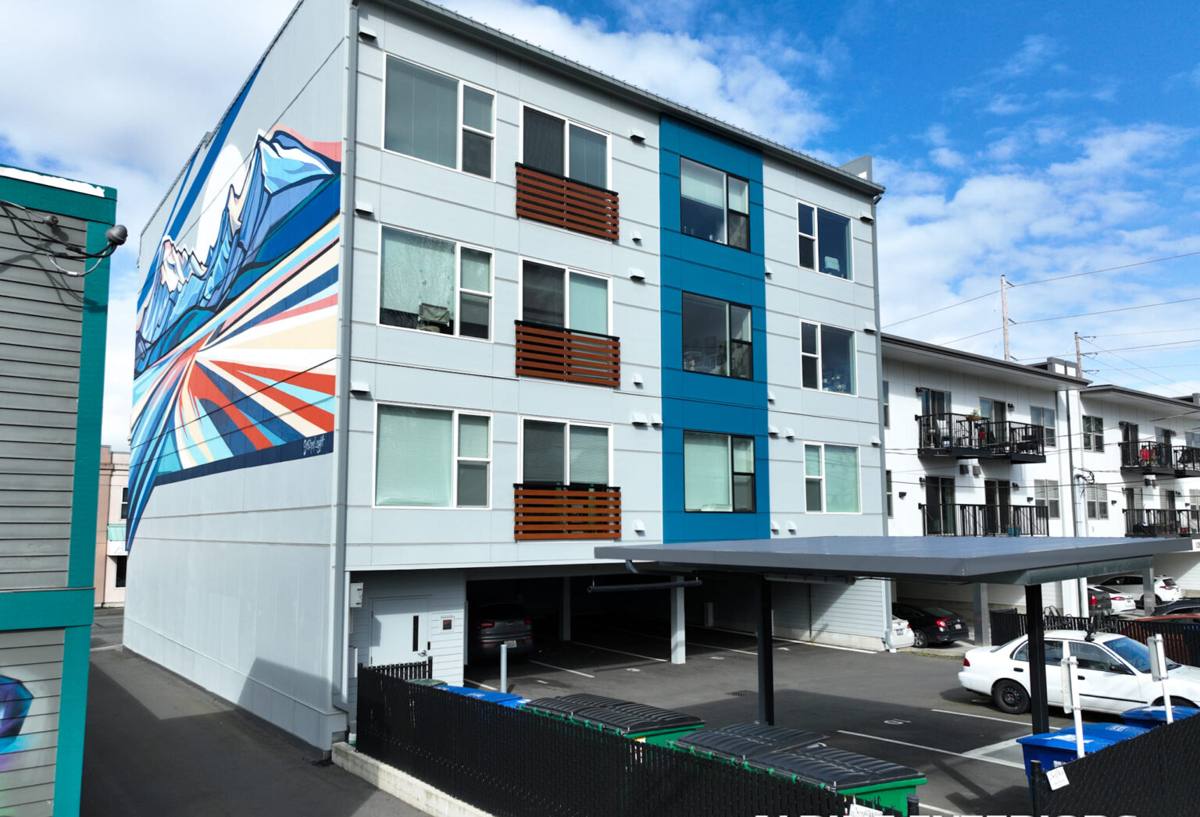
The Climate Factor: Salt Air, Driving Rain, and Moss Season
Three things drive almost every window failure we see in this area:
Salt Air
Homes closer to Bellingham Bay and the Strait deal with airborne salt that settles on metal components — hinges, cranks, screws, and especially aluminum or lower-grade vinyl hardware. Over years, that salt exposure accelerates corrosion and pitting in ways that homeowners further inland simply don't experience. Hardware and frame materials need to be chosen with that in mind, not just for looks or price.
Driving Rain
Whatcom County doesn't just get rain — it gets wind-driven rain that hits window assemblies at an angle, working its way into any gap that isn't properly flashed. A window that would be fine in a calm, straight-down rainfall can leak within its first winter here if the flashing and sill pan weren't detailed correctly during installation.
Moss Season
Long stretches of damp, low-light weather mean moss and algae get a real foothold on north-facing walls, under eaves, and around window trim that doesn't get much sun or airflow. Moss holds moisture against wood trim and sheathing far longer than rain alone would, which is a major contributor to rot around window openings that otherwise look fine from a distance.
None of this means Ferndale homes need exotic materials or gimmicks. It means the fundamentals — flashing sequence, sill pan drainage, sealant selection, and frame material — have to be treated as load-bearing decisions, not afterthoughts.
What a Correct Window Installation Actually Involves
Removal and Opening Assessment
Pulling the old window is when we find out what's really going on behind the trim. Soft sheathing, staining on the header, or a sill that's been absorbing water for years all show up at this stage. A rushed installer skips past this and re-uses a compromised opening; we don't install a new window into a wet or rotted frame without addressing that first.
Flashing and Moisture Barrier
This is the step that matters most in a climate like ours. Flashing tape and a properly formed sill pan need to shed water outward and downward, layered correctly with the house wrap so water is always directed out, never trapped behind the new window. Skipping or shortcutting this step is the single biggest reason window replacements leak two or three winters later, once the sealant alone starts to fail.
Insulation and Air Sealing
The gap between the window frame and the rough opening needs to be filled with a low-expansion foam or backer rod and sealant — never packed tight with fiberglass insulation alone, which does little to stop air movement and nothing to stop moisture. Proper sealing here is also where a lot of homeowners feel the biggest difference in comfort and draft after replacement.
Window Selection for the Opening
Frame material, glass package, and operating style all need to match both the wall assembly and the exposure of that specific opening. A window on an exposed, rain-facing wall may call for different hardware and sealant detailing than one tucked under a deep eave on a sheltered side of the house.
Signs a Ferndale Home Needs New Windows
Homeowners often live with early warning signs for years before calling anyone, mostly because the symptoms show up gradually. Worth checking for:
- Visible fogging or a hazy film between the panes of double-glazed windows — a sign the seal has failed and the insulating gas has leaked out
- Soft or discolored wood trim around the window, especially on north or west-facing walls
- Moss or dark green staining building up on the sill or trim that keeps coming back after cleaning
- Drafts you can feel with a hand near the frame, even when the window is fully latched
- Windows that are difficult to open, close, or lock — often a sign the frame has swelled or shifted
- Noticeably higher heating bills in winter compared to similar homes nearby
- Condensation forming on the inside of the glass regularly, which points to poor insulating performance
- Peeling or bubbling paint on interior trim near the window, often a sign of trapped moisture
One or two of these on their own aren't necessarily urgent. Several showing up on the same window, or the same symptoms repeating across multiple windows on one side of the house, usually means it's worth having someone take a real look rather than patching around it again.
Our Process, Start to Finish
- Estimate and walkthrough: We look at each window opening individually — not just the glass, but the trim, sill, and surrounding siding — since exposure varies wall to wall on most homes.
- Measurement and material selection: Exact sizing and a frame/glass package chosen for that opening's sun and rain exposure.
- Removal and opening inspection: Old window comes out, and we check the framing and sheathing before anything new goes in.
- Repair if needed: Any soft wood or compromised flashing gets addressed before the new window is set — never installed over a known problem.
- Flashing, setting, and sealing: The new window is flashed, leveled, shimmed, insulated, and sealed to shed water outward.
- Interior and exterior trim finish: Trim is reinstalled or replaced to match, with attention to keeping water moving away from the opening.
- Final walkthrough: We check operation, locks, and seals with you before calling the job done.
Window Material and Style Comparison
| Frame Material | Behavior in Coastal/Rainy Climate | Maintenance |
|---|---|---|
| Vinyl | Good moisture resistance, no corrosion risk from salt air | Low — occasional cleaning, no painting |
| Fiberglass | Very stable in temperature and moisture swings, holds up well long-term | Low — durable finish, minimal upkeep |
| Wood (clad exterior) | Good insulating properties but needs a well-maintained exterior cladding to resist our rain exposure | Moderate — exterior clad protects wood, but seals and caulking need periodic checks |
| Aluminum | More prone to corrosion in salt air and less thermally efficient; we use it selectively rather than by default | Moderate to high — hardware and finish need monitoring near the coast |
We don't push one material for every home. The right choice depends on the specific wall's exposure, your budget, and how the rest of the house is finished.
Cost Factors Worth Understanding
Window installation pricing varies a lot based on a handful of real factors, not just the sticker price of the window itself:
| Factor | Why It Matters |
|---|---|
| Frame material and glass package | Fiberglass and multi-pane glass cost more upfront but perform better long-term in our climate |
| Condition of the existing opening | Rot repair or re-flashing an opening adds labor but prevents repeat failures |
| Window size and number of openings | Larger or custom-sized windows and whole-house projects have different economies of scale than single replacements |
| Exposure and accessibility | Upper-story or hard-to-reach windows take more time and equipment |
| Trim and siding tie-in | Matching existing trim or siding profiles adds finish work beyond the window unit itself |
We'd rather walk you through these factors honestly during an estimate than quote a number that doesn't account for what your specific windows actually need.
Why a Crew That Already Works in Ferndale Matters
A lot of window problems in this area aren't really about the window brand at all — they're about installation details that only matter because of the local climate. A crew that installs windows across Whatcom County day in and day out already knows which walls in this kind of weather need extra attention to flashing, which sills tend to collect standing water, and how moss and shade patterns typically play out on homes in this region. That's not something you can fully substitute with a general contractor who occasionally does windows between other jobs. Familiarity with how Fairhaven and Ferndale homes actually age in this climate shapes real decisions on-site — not just which product to sell.
Being a local, Fairhaven-based crew also means we're not disappearing after the invoice is paid. If a question comes up about how a window is performing through its first wet season, we're a short drive away, not a name on a truck that only passes through once.
Get a Free Estimate
If you're dealing with drafty, fogged, or hard-to-operate windows on your Ferndale home, we're happy to take a look and give you a straightforward, no-pressure estimate. We'll walk the exterior with you, point out what we actually see on each opening, and explain your options plainly — no upsell script, just what your home needs. Use the form below to request a time that works for you.