 Fairhaven Siding
 Windows Built for Ferndale's Coastal Conditions
Ferndale sits close enough to the water and to Fairhaven's marine air that homes here take on a different kind of weathering than houses even twenty miles inland. Salt-laden air corrodes hardware faster, driving rain off the Strait finds every gap in old flashing, and the long gray stretch of fall through spring keeps moss and algae established on north-facing walls and sills for months at a time. Windows are one of the first places that shows up. Old aluminum frames pit and stick. Wood sashes swell, stick, and eventually rot at the corners. Single-pane glass fogs the inside of the house every time the temperature drops, and drafts around a warped frame turn into a noticeable heating bill.
Custom windows for a Ferndale home aren't about a fancier look, though that's part of it. They're about matching the unit, the frame material, and the installation detailing to a climate that never really dries out and never really stops moving air and moisture against your walls. A window that's correctly specified and correctly installed here will outlast one that was installed the same week to a lower standard by a decade or more.
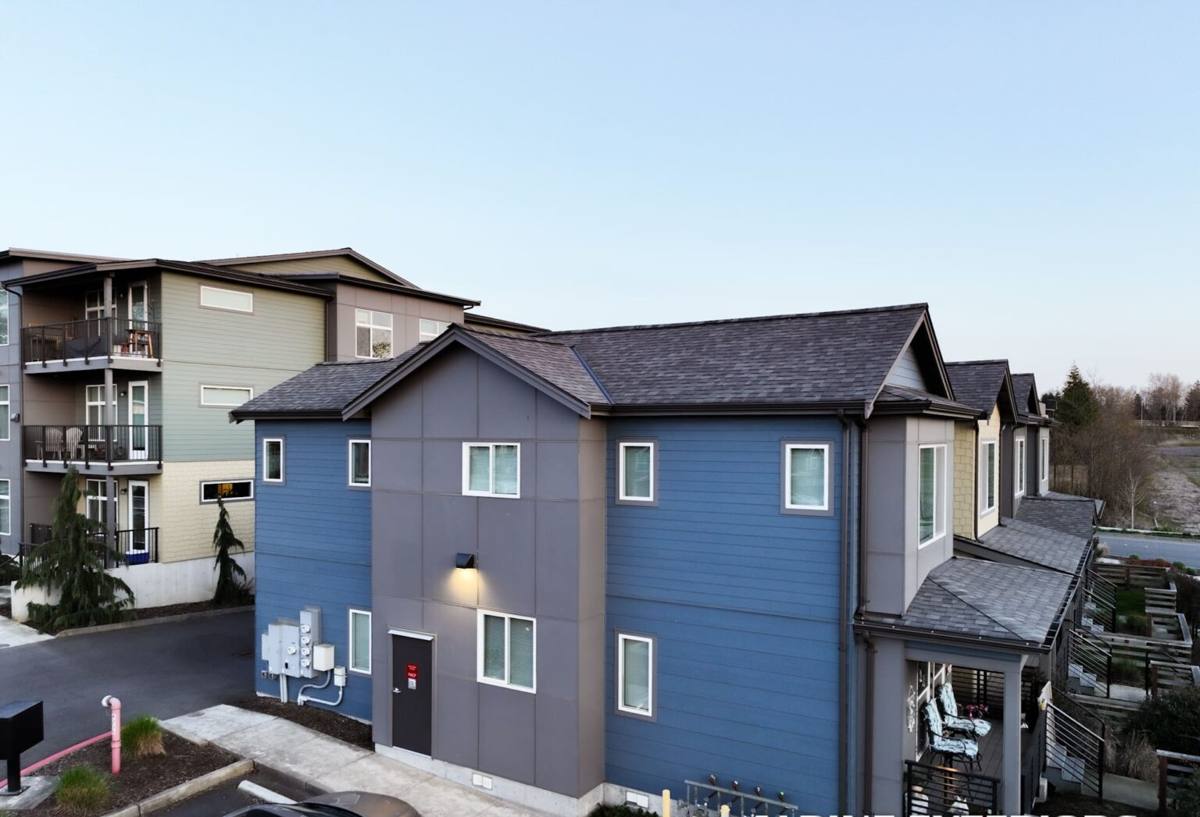
What "Custom" Actually Means for a Window Job
Custom doesn't mean expensive or ornate. It means the window is made to fit your actual rough opening, your actual wall assembly, and your actual exposure, rather than pulled from a generic size run and forced into place with extra shims and caulk. On older Ferndale homes — especially anything built before standardized window sizing became common — openings are rarely a perfect match for stock sizes. A custom order accounts for:
- The exact rough opening dimensions, including any settling or out-of-square conditions in the wall
- Which direction the window faces and how much direct wind-driven rain it takes
- Whether the opening needs a full frame replacement or can accept an insert unit
- Grille pattern, trim profile, and exterior color to match the rest of the siding and trim package
- Glass package suited to that specific elevation — more solar gain on south walls, more sound and thermal performance where it faces the road
Skipping this step and installing a close-enough stock size is one of the most common causes of early window failure we see when we're called out to fix someone else's install.
Signs Your Current Windows Are Past Their Service Life
Most homeowners call us after noticing one or two of these, not because they've done a full inspection. If you're seeing several of the items below, it's worth having someone look at the whole set rather than replacing units one at a time as they fail.
- Fogging or a milky haze between the panes — the seal has failed and the gas fill is gone
- Visible daylight or a draft you can feel around the frame with the window closed and locked
- Wood trim or sill that's soft, discolored, or growing moss right at the window's edge
- Paint or finish peeling specifically around the frame while the rest of the wall holds up fine
- Windows that are hard to open, won't stay up, or don't latch flush anymore
- A noticeable jump in heating cost that lines up with when the windows were installed
- Corroded or frozen hardware — locks, cranks, or balances that no longer move smoothly
Frame Materials That Hold Up Near Salt Air
Not every window material handles a marine climate the same way. We'll walk through the honest trade-offs rather than push one option, because the right choice depends on the specific wall, budget, and how exposed that elevation is to weather.
| Material | How It Handles Salt Air & Moisture | Maintenance | Typical Fit |
|---|---|---|---|
| Vinyl | Won't corrode or rot; performs well in coastal exposure | Low — occasional cleaning | Most Ferndale homes, especially budget-conscious full replacements |
| Fiberglass | Very stable dimensionally, resists moisture and salt exposure well | Low | Higher-exposure walls, larger openings, homes wanting a longer service life |
| Wood-clad (exterior aluminum or vinyl clad) | Good if the cladding and flashing are done right; interior wood warmth with a protected exterior | Moderate — interior wood still needs occasional attention | Homes prioritizing a traditional interior look |
| Bare aluminum | Prone to pitting and corrosion in salt air over time; conducts cold | Higher — needs more frequent attention | We generally steer clients away from this for direct coastal exposure |
We don't install bare aluminum frames on exposed elevations as a matter of our own standard — not because the material is inherently bad everywhere, but because in a salt-air, high-rain environment it's a maintenance burden and a shorter service life compared to vinyl or fiberglass, and we'd rather set expectations up front than have a client dealing with pitted hardware in a few winters.
Glass Packages Worth Considering
Double-pane, low-E glass with argon fill is the practical baseline for this area — it manages both heat loss and the condensation that shows up on cold, damp mornings. For homes closer to the water or facing prevailing wind and rain, a laminated or upgraded seal package adds sound dampening and extra resistance to wind-driven moisture intrusion at the glazing edge, which is where a lot of long-term leaks actually start.
What a Correct Installation Actually Involves
The window unit itself is maybe half the job. The other half is how it's tied into the wall, and that's where most of the failures we get called to fix originate — not with a bad window, but with a rushed or incomplete installation around a perfectly good one.
Flashing and Water Management
Every opening gets flashed so that any water that does reach the frame is directed back out and down, never behind the siding or into the wall cavity. This means proper sill pan flashing, correctly lapped house wrap or building paper at the head and sides, and a drainage path that doesn't dead-end. In a climate with as much sustained rain as Whatcom County gets, this detail matters more than the brand of window installed above it.
Sealing Without Trapping Moisture
Sealant goes where it should stop air and bulk water, and gaps are left where the assembly needs to breathe and drain. Fully caulking a window shut on all sides — a shortcut we sometimes find on older installs — can trap moisture inside the frame instead of letting it escape, which accelerates rot rather than preventing it.
Insulation at the Gap
The space between the new frame and the rough opening gets filled with a low-expansion foam or backer rod and sealant, not stuffed with fiberglass batting that can hold moisture against the frame. This is a small detail that has an outsized effect on both draft control and long-term frame condition.
Fastening and Squaring
The unit is shimmed and fastened so it stays square and operates smoothly for its full service life, not just on install day. A window that's slightly racked will bind, wear its hardware early, and stop sealing properly at the sash.
Our Process, Start to Finish
1. On-Site Assessment
We look at every window being discussed, not just the ones you called about, and check the condition of the surrounding trim, siding, and any existing water damage before we talk numbers.
2. Measuring and Ordering
Openings are measured individually — even ones that look identical from the outside often aren't exactly the same size once a house has settled.
3. Prep and Removal
Old units are removed carefully so we can inspect the framing underneath. If we find rot or water damage at this stage, we'll show you before covering it back up, not after.
4. Flashing, Install, and Seal
New flashing, the window itself, insulation, and sealant go in following the sequence above — this is the step that determines whether the install lasts.
5. Trim and Cleanup
Interior and exterior trim is finished to match, hardware is tested, and the site is cleaned up before we walk it with you.
What Affects the Cost
We don't quote a flat per-window price sight unseen, because the factors below genuinely change what a job requires. A rough general range for a straightforward vinyl replacement window, installed, typically runs from the low thousands per window down toward the low hundreds for very small units — larger, custom-shaped, or fiberglass units run higher. The table below covers what actually drives that number up or down.
| Factor | Effect on Cost |
|---|---|
| Insert replacement vs. full-frame replacement | Full-frame costs more but is often needed when there's frame damage or you're changing size |
| Frame material (vinyl vs. fiberglass vs. clad wood) | Fiberglass and clad wood run higher than standard vinyl |
| Size and shape (standard vs. custom/specialty) | Non-standard shapes and larger openings increase both material and labor cost |
| Existing water or rot damage found during removal | Adds repair scope discovered mid-job, always discussed before proceeding |
| Glass package upgrades | Laminated or upgraded seal packages add cost but improve sound and moisture performance |
| Number of windows done at once | Doing a full set together is usually more cost-efficient per window than one at a time |
Why a Crew That Already Works This Area Matters
A contractor who works Fairhaven and Ferndale regularly already knows which elevations on a typical local home take the worst weather, what the older housing stock in this part of Whatcom County tends to have going on behind the trim, and how to sequence a job around the region's rain patterns instead of getting surprised by them. That's not a marketing point — it changes real decisions on site, like whether an opening needs extra flashing detail because of its exposure, or whether trim found during removal needs to be addressed before the new window goes in. We'd rather flag that on day one than have you discover it as a leak two winters later.
Keeping New Windows Performing After Install
Custom windows installed correctly need very little upkeep, but a little attention goes a long way in this climate:
- Rinse frames and sills periodically to clear salt residue and organic buildup before it stains or holds moisture
- Check weep holes on the exterior sill each fall to make sure they're clear and draining
- Keep an eye on caulk lines at the trim edges and have any cracking resealed before winter rains set in
- Wipe down interior sills during heavy rain stretches if you notice any condensation buildup
- Have hardware lubricated occasionally so locks and operators don't seize from moisture and salt exposure
If you're weighing whether to repair or replace windows on a Ferndale home, we're happy to come take a look, measure what you've actually got, and give you a straight answer — including telling you if a repair is the more sensible move for now. Reach out for a free, no-pressure estimate using the form below.