 Fairhaven Siding
 Why Columbia Homes Need a Different Approach to Windows
The Columbia neighborhood sits close enough to Bellingham Bay that salt-laden air, wind-driven rain, and long stretches of gray, damp weather are just part of owning a home here. Older windows in this part of Whatcom County don't fail because they're old for old's sake — they fail because moisture finds a way in around tired seals, wood sashes swell and stick, and single-pane or early dual-pane glass lets heat slide right out during the months when you're running the furnace hardest. If you've noticed cold drafts near your window frames, condensation building up between panes, or a heating bill that keeps creeping up, the window unit itself is usually the culprit, not just the glass.
Energy-efficient window replacement in this area isn't a cosmetic upgrade. It's a practical response to a specific climate: persistent moisture, salt air corrosion on hardware and metal components, and a moss season that runs long enough to test every seal and sill on the house. Done right, new windows address all of that at once — comfort, energy use, and long-term durability.
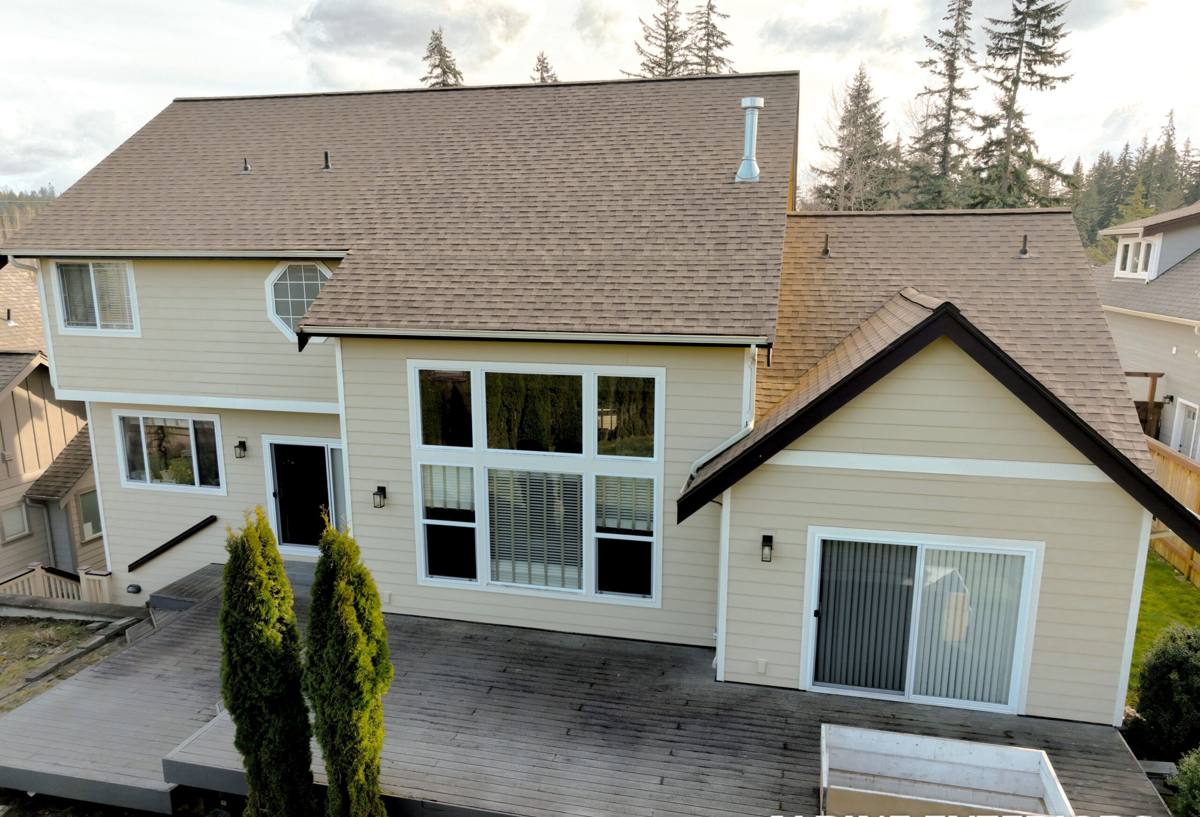
What "Energy-Efficient" Actually Means for This Climate
Energy efficiency isn't one spec — it's a combination of glass performance, frame material, and installation quality working together. For homes near Fairhaven, we weigh a few factors more heavily than a generic efficiency checklist would:
Glass Performance
Low-E (low emissivity) coatings and dual- or triple-pane glass with insulated gas fill are the baseline for this region. What matters locally is picking a glass package suited to a marine climate — one that manages both heat loss in winter and the moisture-laden air that surrounds these homes for much of the year. A window rated well for a dry inland climate isn't automatically the right fit for a coastal one.
Frame Material
Salt air is hard on hardware, fasteners, and certain metal frame components over time. Vinyl and fiberglass frames tend to hold up well against coastal corrosion with minimal upkeep, while wood frames — even clad ones — need more diligent maintenance to keep moisture from working into joints and finish. We'll walk through the honest trade-offs for your specific home rather than push one material as a blanket answer.
Seal and Weatherstripping Quality
This is where a lot of "efficient" windows quietly underperform. A high-spec window with a mediocre installation, or weatherstripping that wasn't matched to the frame properly, will leak air and eventually moisture no matter what the label says. The seal is only as good as the install.
What Correct Installation Involves
Replacing a window is straightforward in concept and easy to get wrong in practice. The steps that actually determine whether a window performs for the next 15-20 years happen before and during install, not at the showroom:
- Removing the old unit without damaging the rough opening or surrounding siding
- Inspecting the sill, header, and jack studs for hidden rot or moisture damage before anything new goes in
- Correcting any framing or flashing issues found — installing a new window into a compromised opening just locks the problem behind new trim
- Installing proper flashing tape and drainage paths so any water that does reach the opening has somewhere to go
- Setting the window level, plumb, and square, then shimming correctly so the frame isn't under stress
- Sealing and insulating the gap between the window frame and rough opening — not overfilled with foam, which can bow the frame
- Finishing exterior trim and caulking in a way that sheds water rather than trapping it against the wall
That framing inspection step matters more here than it does in drier parts of the state. A long moss season and near-constant coastal humidity mean moisture-damaged sheathing or sill plates are common finds behind older windows, especially on north- and west-facing walls that see the most driving rain. Catching that during a window job, rather than years later during a siding project, saves real money.
Our Process for Columbia Window Projects
1. On-Site Assessment
We look at each window opening individually — not just the glass, but the condition of the frame, sill, trim, and surrounding siding. Homes in this area often have a mix of original and previously replaced windows, so the right approach can vary window to window on the same house.
2. Product Recommendation
Based on orientation (which walls take the most wind-driven rain), current window condition, and your goals — comfort, resale, lower bills, less maintenance — we recommend a glass and frame package suited to that specific opening rather than a one-size answer for the whole house.
3. Written Estimate
You get a clear breakdown of scope, materials, and cost before any commitment. No pressure, no expiring-today pricing gimmicks.
4. Installation
Old windows come out, openings get inspected and corrected as needed, new units go in with proper flashing and sealing, and everything is finished and cleaned up.
5. Final Walkthrough
We check operation, seals, and finish work with you before calling the job done.
Signs Your Columbia Home's Windows Need Attention
- Visible condensation or fogging between panes of double-pane glass — a sign the seal has failed
- Drafts you can feel near the frame even when the window is fully latched
- Wood sashes that have swollen, stuck, or show soft spots when pressed
- Paint or finish that's peeling or bubbling on the interior or exterior frame
- Visible moss or algae growth on sills or exterior trim
- A noticeable temperature difference standing near the window versus the middle of the room
- Rising heating bills without a clear cause elsewhere in the house
Comparing Common Window Options
| Frame Material | Coastal Durability | Maintenance | Typical Cost Position |
|---|---|---|---|
| Vinyl | Good resistance to salt air and moisture | Low — no repainting or refinishing | Most budget-friendly |
| Fiberglass | Very good; stable in temperature swings and coastal exposure | Low | Mid to higher |
| Wood (clad exterior) | Interior wood needs protection from moisture; exterior cladding helps | Higher — periodic inspection and upkeep | Higher |
| Aluminum | Prone to corrosion and heat transfer in a wet coastal climate | Moderate | Varies |
We don't push any single material as the universal right answer. Aluminum, for example, conducts heat and cold more readily and can corrode faster in salt air, so we typically steer homeowners toward vinyl or fiberglass for this specific area unless there's a strong design reason to consider something else. That's a judgment based on how these materials hold up in a marine climate over time — not a knock on any manufacturer.
Cost Factors Worth Understanding
Window project costs vary by opening size, glass package, frame material, and how much (if any) rough opening repair is needed. Rather than quote a number that won't hold up house to house, here's what actually drives the price on a real estimate:
- Number and size of openings — larger or unusually shaped windows cost more to fabricate and install
- Glass package — dual-pane vs. triple-pane, and coating options, move the price
- Frame material — vinyl, fiberglass, and wood-clad sit at different price points
- Condition of the existing opening — hidden rot or framing damage adds labor and material cost, but skipping that repair costs more later
- Access and site conditions — second-story windows or tight access can add labor time
- Trim and finish work — matching existing exterior trim profiles adds a step but keeps the house looking consistent
We'd rather walk your specific windows and give you real numbers than quote a range that doesn't mean much for your house.
Why Hire a Crew That Already Works This Area
Whatcom County's coastal microclimate isn't the same as the drier side of the Cascades, and it isn't quite the same as inland Bellingham either — Columbia's proximity to the water means more direct exposure to salt air and driving rain off the bay. A crew that installs windows regularly in this specific area already knows which orientations take the worst weather, what kind of hidden moisture damage to expect behind older windows, and which products actually hold up here rather than just on paper. That local pattern recognition shows up in fewer surprises during the job and a better long-term result once the windows are in.
It also means faster, more accurate estimates. We're not guessing at how your walls have weathered — we've seen the same conditions on other Columbia and Fairhaven-area homes.
Get a Free, No-Pressure Estimate
If your windows are drafty, fogged, or just past their useful life, we're happy to take a look and give you an honest assessment — no obligation, no pressure. Fill out the form below to schedule a free estimate for your Columbia home.