 Fairhaven Siding
 Why Edgemoor Siding Wears Differently Than Siding Inland
Edgemoor sits close to the water, on higher, more exposed ground than most of Fairhaven and the surrounding Whatcom County neighborhoods. That position gives the homes some of the best views in the area, but it also means the siding on those homes takes a harder hit from the weather. Salt-laden air off the bay accelerates corrosion on fasteners and trim, wind-driven rain finds every gap and unsealed seam, and the shade from mature trees on many lots keeps siding damp long after a storm has passed. Add in a moss season that can stretch from late fall through spring in this part of Washington, and you have a set of conditions that punishes any siding product that isn't installed — and repaired — correctly.
Most siding failures we see in Edgemoor aren't dramatic. They're small: a hairline crack at a butt joint, a soft spot below a window, a patch of moss creeping up from the foundation line. Left alone, small problems like these turn into rot, trapped moisture, and eventually a much bigger repair bill. Caught early and repaired the right way, they're a straightforward fix.
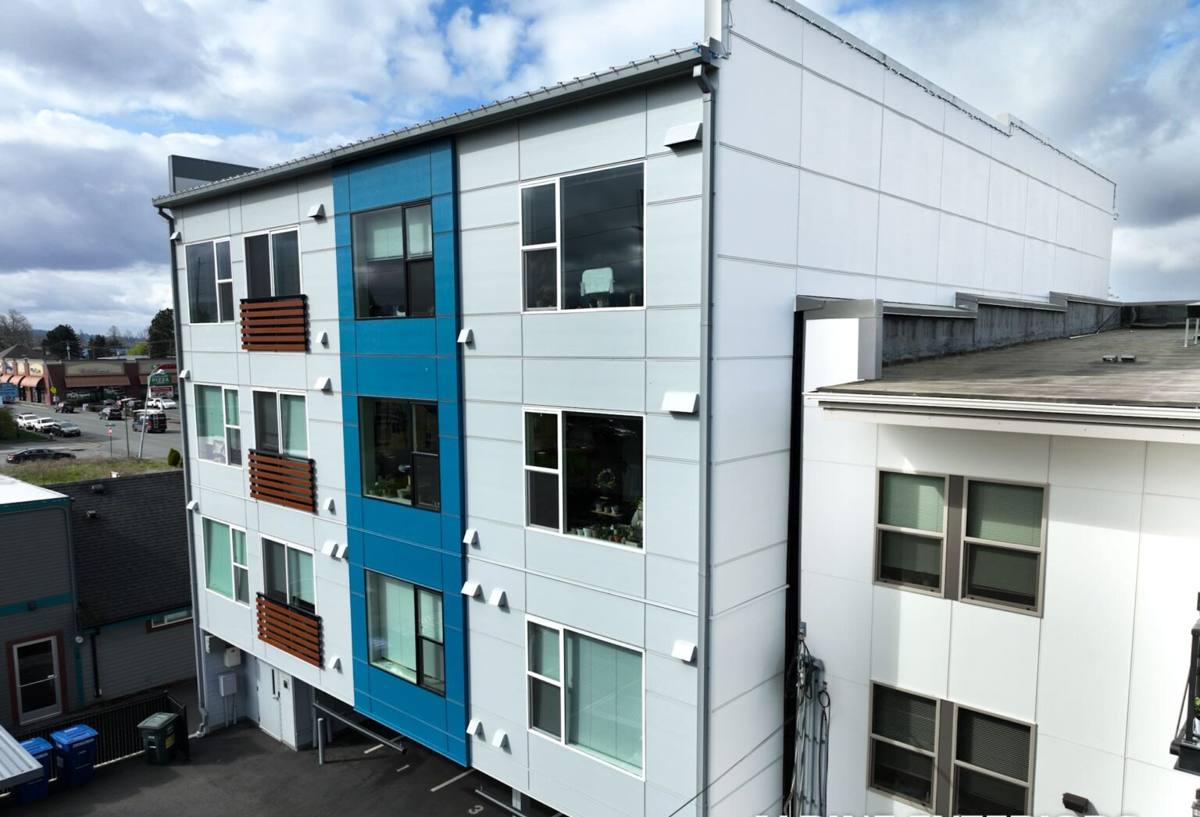
Signs Your Siding Needs Repair, Not a Full Replacement
Full siding replacement is sometimes necessary, but it's not the answer to every problem. A lot of Edgemoor homes just need targeted repair work done well. Here's what that usually looks like.
Cracking and Gapping at Seams
Fiber cement and other siding materials expand and contract with temperature and moisture. Over time, seams and butt joints can open up, especially if they weren't caulked or flashed correctly to begin with. A visible gap is an invitation for water.
Soft or Spongy Spots
Press gently on a section of siding near ground level, under windows, or below rooflines. If it gives at all, there's likely moisture trapped behind it. This is one of the clearest signs that water has been getting in for a while, even if the surface still looks fine from a few feet away.
Moss, Algae, and Persistent Staining
Some surface growth is normal in this climate and isn't necessarily a structural problem. But moss that's established itself in seams, behind trim, or at panel edges holds moisture against the siding continuously, which is a different situation than a light green tint on an otherwise dry wall.
Failed Caulk and Trim
Caulk is not a permanent material. It dries out, shrinks, and cracks — usually years before the siding itself is due for attention. Failed caulk around windows, doors, and trim boards is one of the most common (and most fixable) causes of water intrusion we find on repair calls.
What a Correct Repair Job Actually Involves
A siding repair that only addresses what's visible from the ground is a repair that will need to be redone. Doing it right means treating the visible damage as a symptom, not the whole problem.
Diagnose the Moisture Path First
Before any panel comes off, the goal is to understand how water got in and where it's been traveling. That might mean checking flashing above a window, tracing a stain down from a roofline, or opening up a small section to see how far rot has spread behind the surface. Replacing a cracked panel without finding the water source just delays the next repair.
Match the Material and the Reveal
Patched-in siding that doesn't match the butt joint spacing, panel width, or texture of the surrounding wall stands out immediately, and mismatched materials can behave differently in freeze-thaw and moisture cycles than the original siding. A correct repair uses the same product line and profile, tied into the existing pattern so the wall reads as one continuous surface.
Rebuild the Water Management, Not Just the Surface
Housewrap, flashing, and proper overlap at seams do the real work of keeping a wall dry — the siding itself is the last line of defense, not the first. Any repair that doesn't restore that layered water management underneath is cosmetic, not structural.
Finish and Color Match
Factory-finished siding is baked on in a controlled environment, which is part of why it holds color evenly for decades. Field-painted patches age differently than factory finish, so getting a clean match on a repair takes the right product and the right process, not just the closest can of paint.
Why We Only Repair With James Hardie Fiber Cement
We install and repair James Hardie products exclusively. We don't carry vinyl, LP SmartSide, Cemplank, Allura, or unprimed wood siding, and that's a deliberate standard, not an oversight. When we're called out to patch a section of a different material on an Edgemoor home, we're straightforward with the homeowner about what we can and can't match, and why.
Hardie's HZ5 product line is engineered specifically for wetter, harsher climates like this one, with moisture and impact performance built in rather than added on. The ColorPlus factory finish resists fading and chipping far better than field-applied paint, which matters on a home that gets this much wind-driven rain and salt exposure. Fiber cement is also non-combustible, which is worth something in a region where wildfire smoke and dry-season risk have become a bigger part of homeowners' planning than they used to be. And because Hardie backs its products with a strong transferable warranty when installed to spec, a repair done correctly with matching Hardie material keeps that warranty intact — patching with a different product usually doesn't.
None of this means other siding products are without merit. It means that after years of doing this work, we've standardized on the one system we're confident holds up on this coastline when it's installed and repaired correctly.
Our Repair Process for Edgemoor Homes
- Inspection. We walk the exterior, check soft spots, trim, seams, and any areas you've flagged, and look above and below the visible damage for the actual source.
- Honest diagnosis. We tell you what's cosmetic, what's structural, and what's likely to become a problem in the next year or two if it's left alone.
- A written repair plan. Scope, materials, and a straightforward explanation of what's being fixed and why — no vague line items.
- The repair itself. Removal of damaged material, correction of the underlying flashing or water barrier where needed, and installation of matched Hardie siding tied cleanly into the existing wall.
- Cleanup and walkthrough. We leave the site clean and walk the repaired area with you before we call the job done.
Repair vs. Replacement: What Actually Drives the Decision
Homeowners often assume any visible damage means it's time for a full re-side. Sometimes that's true — but often the honest answer is a targeted repair. Here's how we think through it.
| Factor | Favors Repair | Favors Replacement |
|---|---|---|
| Extent of damage | Isolated to one wall or a few panels | Recurring problems across most of the house |
| Underlying water management | Housewrap and flashing still sound | Widespread flashing failure or original install errors |
| Age of existing siding | Well within expected lifespan | Near or past the age where a full system makes more sense |
| Material match available | Same Hardie profile and finish still available | Discontinued profile or heavily faded finish that won't blend |
| Cost over time | Lower upfront cost, addresses the actual problem | Avoids paying for repeated repairs on aging siding |
We won't push a full replacement when a repair genuinely solves the problem, and we won't recommend a patch when the damage tells us it's more widespread than it looks from the driveway.
What to Ask Before Hiring a Siding Repair Crew
Siding repair looks simple from the outside, which is exactly why it's easy for corners to get cut. A few questions will tell you a lot about who you're hiring.
- Will you find and fix the water source, or just replace the damaged panel?
- What siding product and profile will you use, and will it match what's already on the house?
- Will the repair affect my existing manufacturer warranty, and if so, how?
- Are you a factory-certified installer for the product you're recommending?
- Will you show me what you find once the damaged section is opened up?
- Do you carry proper insurance and offer a written scope before work begins?
Why a Crew That Already Works Edgemoor Matters
Siding repair on a bluff-top or waterfront-adjacent home is not the same job as siding repair three miles inland. A crew that regularly works this part of Fairhaven already knows how much more aggressively salt air corrodes fasteners and flashing here, how exposed sites behave differently in wind-driven storms, and how much earlier moss and algae tend to establish themselves on shaded, damp walls near the water. That familiarity shows up in small decisions — fastener choice, flashing detail, where extra sealant is worth the time — that a crew unfamiliar with the area might not think twice about.
It also means a more accurate read on timing. Whatcom County's wet season and moss growth patterns affect when repair work should happen and how it should be sequenced, and a crew that's done this work locally, season after season, plans around that instead of learning it on your house.
If you're seeing cracked seams, soft spots, moss buildup, or failing caulk on an Edgemoor home, we're happy to take a look and give you a straight answer about what's actually going on — no pressure, no upsell to a full replacement you don't need. Reach out for a free estimate and we'll walk the exterior with you and explain exactly what we find.