 Fairhaven Siding
 Roof Replacement Built for Edgemoor's Coastal Conditions
Edgemoor sits close enough to the water that its roofs live a different life than a roof twenty miles inland. Salt-laden air off Bellingham Bay, wind-driven rain that finds its way under poorly sealed flashing, and a moss season that runs longer here than almost anywhere else in Whatcom County all add up to roofs that age faster than their paperwork says they should. When a roof in this neighborhood is done, it needs to be replaced correctly the first time — not patched together with materials and methods better suited to a drier, calmer climate.
This page covers roof replacement specifically for Edgemoor homes: what the local climate demands, what a correct tear-off-to-finish job actually involves, and why working with a crew that already knows this neighborhood's houses and conditions makes a real difference in how long the new roof lasts.
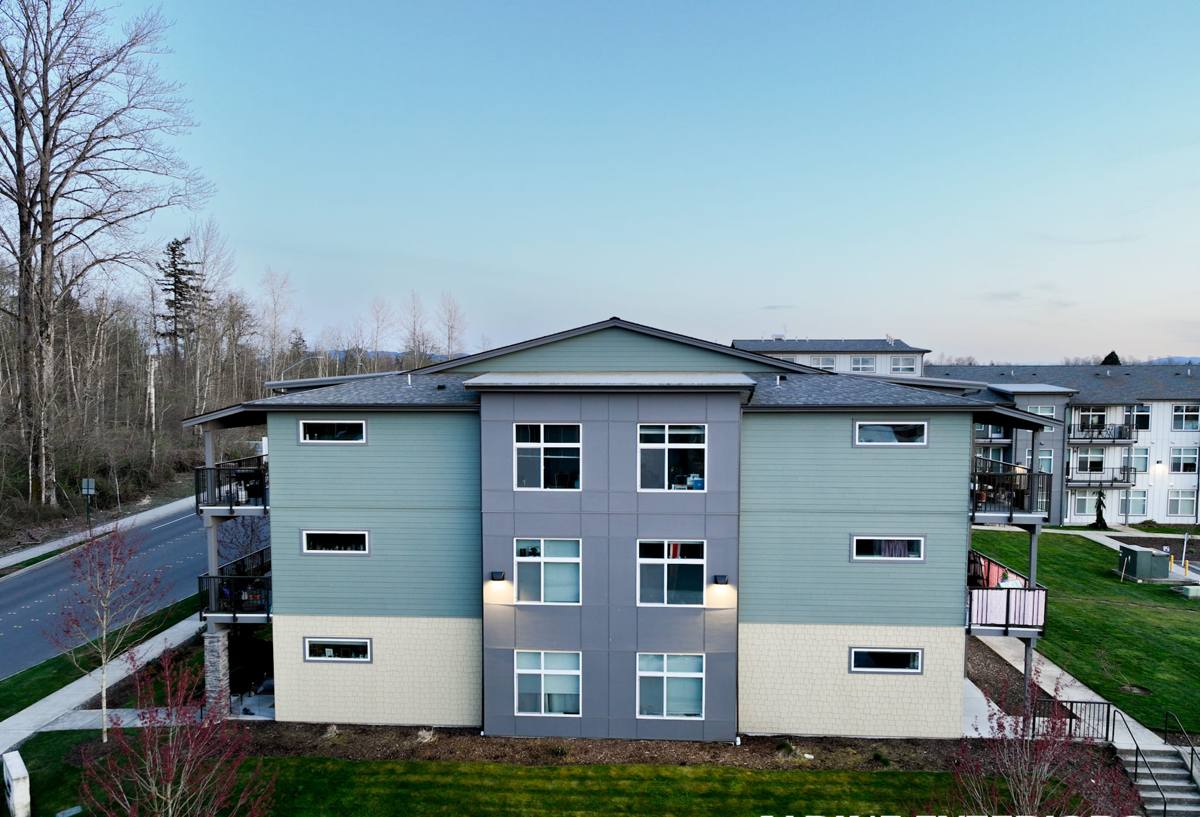
What Edgemoor Roofs Are Up Against
Salt Air and Corrosion
Homes near the shoreline take on airborne salt that settles on every exposed metal surface — nails, flashing, vents, gutter hardware. Over years, uncoated or lower-grade fasteners corrode faster than they would inland, and corroded fasteners are one of the quieter causes of roof failure. A replacement done for this environment should spec corrosion-resistant fasteners and flashing metals from the start, not standard-grade materials that happen to be cheaper.
Driving Rain
Storms coming off the Strait push rain sideways as often as straight down. That kind of wind-driven rain doesn't just test the field of the roof — it tests every seam, every valley, and every place the roof meets a wall, chimney, or skylight. Underlayment and flashing details that would be adequate in a calmer climate can let water in here, especially around penetrations and low-slope transitions.
Moss and Moisture
Fairhaven's tree cover and marine humidity give moss a long growing season on north-facing and shaded roof slopes. Moss holds moisture against the roofing material, which shortens the life of asphalt shingles in particular and can work its way under shingle tabs and cedar shakes alike. A roof replacement in Edgemoor should account for moss from day one — material choice, slope-appropriate detailing, and a maintenance plan the homeowner actually understands.
Signs an Edgemoor Roof Needs Replacement, Not Just Repair
Not every roof problem means a full replacement. But in this climate, certain signs mean repair is just delaying the inevitable and spending money that won't carry forward into the next roof.
- Granule loss heavy enough that you can see it collecting in gutters or downspouts
- Shingles that are cupping, curling, or cracking across multiple slopes, not just one isolated area
- Moss growth that keeps returning within a season or two of cleaning, even after treatment
- Soft or spongy decking felt underfoot, or daylight visible through the roof deck from the attic
- Staining on interior ceilings or attic framing that shows up after wind-driven rain specifically
- Flashing around chimneys, skylights, or valleys that's rusted, lifted, or was never properly step-flashed
- A roof already past or close to the end of its expected material life, combined with any of the above
If a roof shows two or three of these at once, patch repairs tend to become a recurring expense rather than a fix. That's the point where a full replacement is the more honest recommendation.
What a Correct Roof Replacement Actually Involves
Tear-Off and Deck Inspection
A proper replacement starts with a full tear-off down to the decking, not a layover on top of existing shingles. This is the only point in the project where the decking itself can be inspected and any soft, rotted, or delaminated sections can be found and replaced — something that's impossible to catch with a layover job. In a wet climate like Fairhaven's, skipping this step is how hidden rot problems get sealed back up under a new roof instead of fixed.
Underlayment and Ice-and-Water Protection
Given the wind-driven rain this area sees, underlayment matters more here than in drier regions. Self-adhered ice-and-water membrane at eaves, valleys, and around penetrations gives the roof a second line of defense in exactly the spots where wind-driven rain is most likely to get pushed underneath the shingle layer.
Flashing Details
Chimneys, skylights, dormers, and wall intersections are where most roof leaks actually originate — not the open field of shingles. Correct step flashing, counter-flashing, and valley metal, installed with corrosion-resistant materials, are what keep a roof watertight through years of coastal storms.
Ventilation
A roof deck that can't breathe traps moisture, which shortens the life of the roofing material from underneath and can contribute to moss and mildew issues on top. Balanced intake and exhaust ventilation should be evaluated as part of any full replacement, not assumed to be fine just because the old roof had some vents.
Choosing Materials for Edgemoor's Marine Environment
There's no single "right" roofing material for every home — slope, budget, home style, and how much maintenance a homeowner wants to do all factor in. What matters is understanding the honest trade-offs for a coastal, moss-prone, high-rain setting.
| Material | How It Handles This Climate | Trade-Offs to Know |
|---|---|---|
| Architectural asphalt shingles | Solid performance and value; modern algae-resistant lines help with moss and moisture staining | Still needs periodic moss removal on shaded slopes; lifespan shortens without good ventilation |
| Metal roofing (standing seam or panel) | Sheds driving rain well and resists moss better than shingles on steep slopes | Higher upfront cost; fastener and flashing quality really matters near salt air |
| Cedar shake | Traditional look that fits many Fairhaven homes | Higher moisture and moss maintenance burden; needs diligent upkeep in this climate to reach full lifespan |
| Composite/synthetic shingle | Designed to resist moisture absorption better than natural wood products | Product quality varies significantly by manufacturer; installation sensitivity is higher than asphalt |
We'll walk through which option fits your home's slope, style, and budget honestly — including telling you when a lower-maintenance material is simply the better long-term call for a shaded, moss-prone roof, even if it's not what was on the house originally.
Our Roof Replacement Process
- On-site inspection. We walk the roof and attic, check the decking where accessible, and look at ventilation, flashing condition, and moss patterns specific to your lot's sun exposure.
- Written scope and estimate. You get a clear breakdown of materials, underlayment, flashing work, and any decking replacement contingencies — no vague allowances.
- Full tear-off. Old roofing comes off completely so the deck can be properly inspected and repaired where needed.
- Underlayment and flashing installed to coastal-condition standards. Ice-and-water membrane at vulnerable areas, corrosion-resistant flashing metal throughout.
- New roofing material installed to manufacturer specifications, with attention to ventilation balance.
- Final walkthrough covering what was done, what to watch for, and a realistic maintenance schedule for moss and gutter upkeep given your home's exposure.
Why a Crew That Already Works Edgemoor Matters
A roofing crew that works this neighborhood regularly already knows which streets sit in heavier moss shade, which lots take the brunt of wind off the water, and which older Edgemoor homes tend to have specific decking or ventilation quirks. That familiarity shows up in fewer surprises mid-project and material choices that are calibrated to this specific microclimate rather than a generic regional average. It also means we're not guessing about permitting and inspection expectations in Whatcom County — we've been through that process here before.
Cost Factors for an Edgemoor Roof Replacement
Every roof is priced on its own specifics, but these are the factors that most commonly move the number up or down. We won't quote a fake price range here — we'll walk your roof and give you a real number — but this is what drives that number.
| Factor | Why It Matters |
|---|---|
| Roof size and number of slopes | More area and more valleys/hips mean more material and labor |
| Deck condition | Rot or soft decking found at tear-off adds repair cost but prevents a bigger problem later |
| Material choice | Asphalt, metal, and cedar carry very different material and labor costs |
| Roof pitch and access | Steeper or harder-to-access roofs take more time and safety setup |
| Flashing and penetration count | More chimneys, skylights, and vents mean more detail work, which is where leaks originate |
| Ventilation upgrades | Adding or correcting ventilation is a smart long-term investment but adds to the scope |
Get a Straight Answer for Your Roof
If your Edgemoor roof is showing its age, the most useful next step is a real look at it — not a guess from the street. We'll tell you honestly whether you're looking at repair or replacement, and if it's replacement, what material and detailing actually make sense for your home's exposure. Use the form below to request a free, no-pressure estimate.