 Fairhaven Siding
 Edgemoor's Waterfront Setting Is Hard on Ordinary Siding
Edgemoor sits close to the water, on bluffs and slopes that catch the full weather coming off Bellingham Bay. That location is part of what makes the neighborhood desirable, but it also means the homes here take a harder hit from the elements than siding in a typical inland subdivision. Salt-laden air off the bay accelerates corrosion on fasteners and trim, wind-driven rain gets pushed sideways into wall assemblies that weren't detailed for it, and the mature tree canopy that gives Edgemoor its shaded, established feel also keeps siding damp for days after a storm passes.
That combination — salt air, driving rain, and a long moss season — is exactly the kind of environment that exposes weak siding installations. A product or install detail that would hold up fine in a drier part of Washington can start showing problems within a few years out here: streaking and dark staining on shaded walls, soft trim at the bottom courses, caulk joints that fail early, and paint that can't keep up with the moisture cycle. None of that is inevitable. It's a function of what material you choose and how carefully it's installed, which is the whole reason we standardized on James Hardie fiber cement and won't install anything else.
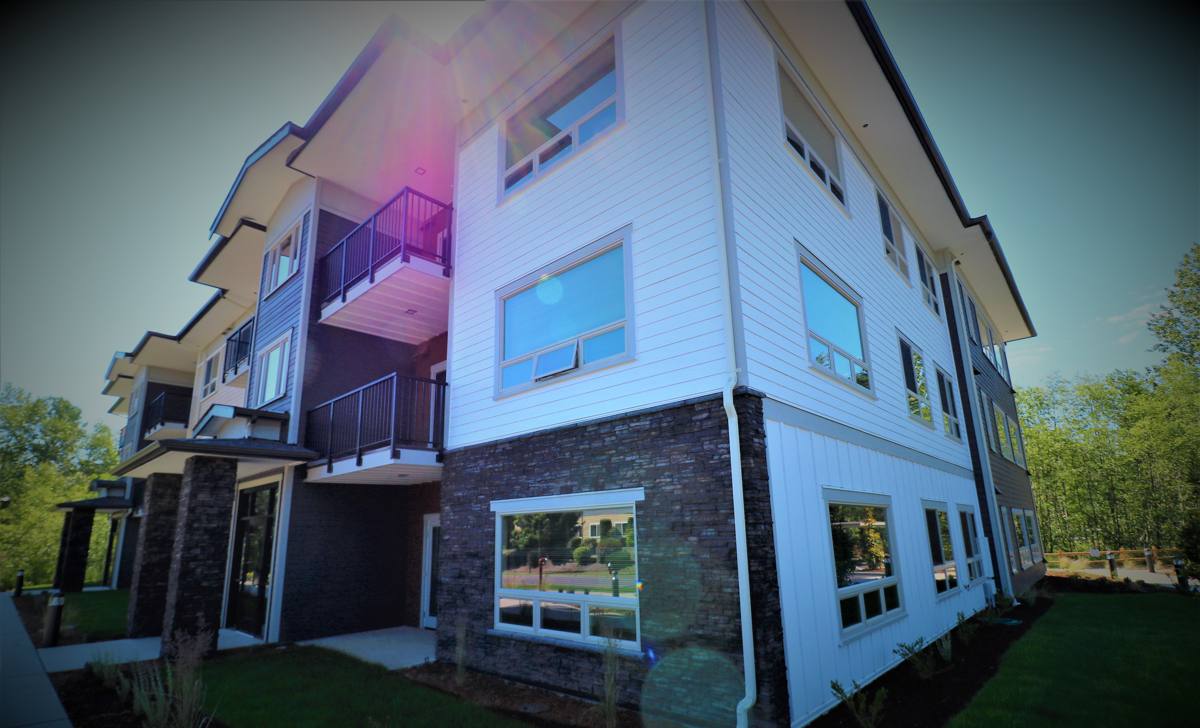
What a Correct Fiber Cement Installation Looks Like Here
Fiber cement siding is only as good as the assembly behind it. In a neighborhood like Edgemoor, where walls stay damp longer and salt air is a constant, the details matter more than they would somewhere drier. A rushed or generic install can leave a home just as vulnerable to moisture problems as if cheaper siding had been used.
A Drainage Gap Behind the Siding
Fiber cement should never sit flush against a wet-prone wall without a way for moisture to escape. We install a rainscreen or furring gap behind the siding on homes where drainage is a concern, giving any water that does get behind the panels a path to drain and air to circulate and dry things out. Skipping this step is one of the most common shortcuts we see, and it's one of the first things that fails in a shaded, wet-prone lot like the ones common in Edgemoor.
Flashing at Every Penetration
Windows, doors, hose bibs, vents, and light fixtures are all places water can work its way behind the siding. Proper step flashing, head flashing, and kick-out flashing at rooflines aren't optional extras — they're what keeps wind-driven rain from finding a way in. We flash these details the same way regardless of how visible they'll be once trim goes back on, because it's the part of the job nobody sees that determines whether the siding lasts.
Fastening, Clearance, and Cut Edges
Fiber cement needs to be fastened per manufacturer spec — the right nail or screw pattern, driven correctly, with enough clearance at the bottom edge to keep the siding off grade, decks, and hardscape where moisture collects. Every field cut gets sealed, because an unsealed cut edge is a direct path for water into the substrate of the board itself.
James Hardie Product Lines That Fit This Climate
James Hardie engineers its siding by climate zone, and the Pacific Northwest falls into the wetter, more moisture-exposed category. That engineering — not marketing — is why we install Hardie exclusively rather than a generic fiber cement product.
Lap and Panel Options
Edgemoor has a mix of older, established character homes and newer construction, and HardiePlank lap siding or HardiePanel vertical siding can be matched to either style. Lap siding suits the more traditional homes in the area, while panel siding with battens works well on homes with a more contemporary or craftsman look. Trim, soffit, and fascia products from the same system keep the whole exterior consistent.
ColorPlus Factory Finish
One of the biggest practical advantages in a moss-heavy, shaded environment is Hardie's ColorPlus finish — a factory-applied, baked-on finish that resists fading and holds up better against the streaking and mildew growth that field-applied paint struggles with over time. It also comes backed by its own finish warranty, separate from the substrate warranty on the siding itself, which matters on a home that's going to sit under tree cover and damp air for years at a stretch.
How Fiber Cement Stacks Up Against Other Siding Choices
Homeowners in Edgemoor considering a re-side often ask how fiber cement compares to the other materials on the market. Here's an honest breakdown based on how each performs in a salt-air, high-moisture, moss-prone setting like this one — not on price alone.
| Material | Salt Air / Moisture Performance | Moss & Algae Resistance | Maintenance Needs |
|---|---|---|---|
| Vinyl siding | Doesn't rot, but seams and J-channels can trap moisture; can warp or become brittle over time | Moderate — can host moss/mildew growth in shaded seams | Low, but limited repair options if damaged |
| Cedar / wood siding | Attractive but absorbs moisture readily; needs consistent sealing to resist rot | Low resistance — prone to moss and mildew in constant shade and damp | High — regular refinishing and rot inspection |
| Engineered wood (e.g., LP SmartSide) | Better than raw wood but still wood-based; edge and seam sealing is critical | Moderate — depends heavily on installation and upkeep | Moderate to high |
| James Hardie fiber cement | Non-combustible, dimensionally stable, engineered for wet climates (HZ5) | Higher resistance, especially with ColorPlus finish | Low — periodic rinsing and inspection |
No siding material is completely maintenance-free in a climate like this one, but the gap in long-term performance between fiber cement and the alternatives widens the longer a home sits in shade and salt air, which is the normal condition for much of Edgemoor.
Our Process for Edgemoor Fiber Cement Projects
The steps don't change much from house to house, but the attention to moisture detailing does, based on how exposed or shaded a particular lot is.
- On-site walkthrough to assess the existing siding, look for hidden rot or moisture damage, and check how the home is oriented relative to wind, rain, and shade.
- A written estimate covering Hardie product line, color, trim details, and any repair work needed to the sheathing or framing underneath.
- Removal of the old siding and inspection of the wall assembly before anything new goes up — this is where hidden moisture problems from a prior install often surface.
- Installation of a drainage plane or rainscreen where warranted, followed by proper flashing at every window, door, and penetration.
- Hardie siding installation to manufacturer fastening spec, with all cut edges sealed.
- Trim, caulking, and final detail work, followed by a walkthrough with the homeowner before we consider the job finished.
Living With Fiber Cement Siding in a Moss-Prone, Salt-Air Environment
Fiber cement is low-maintenance compared to wood or vinyl, but "low-maintenance" doesn't mean "no maintenance," especially this close to the water. A little seasonal attention goes a long way toward protecting the investment.
- Rinse siding annually with a garden hose or low-pressure wash, focusing on shaded, north-facing walls where moss and algae take hold first
- Keep gutters and downspouts clear so overflow doesn't run down the siding face
- Trim back tree limbs and shrubs that keep a wall section damp or block airflow
- Inspect caulking around windows, doors, and trim yearly and re-caulk any joints that have cracked or pulled away
- Watch for streaking or dark staining on shaded sections, which usually signals it's time for a cleaning rather than a repair
- Avoid high-pressure washing directly at joints and seams, which can force water behind the siding rather than cleaning it
Why a Crew That Already Works This Neighborhood Matters
Edgemoor's lots aren't uniform — bluff-top and waterfront homes deal with more direct wind and salt exposure, while homes tucked under heavier tree canopy deal more with shade, moss, and prolonged dampness. A crew that has already worked in the neighborhood recognizes which problem a given house is dealing with before the first board comes off, and adjusts the drainage and flashing details accordingly instead of applying a one-size-fits-all install.
Familiarity with Whatcom County permitting and inspection expectations also keeps a project moving without avoidable delays. And because Edgemoor's homes range from older, established construction to newer builds, a crew with local experience has generally already run into the framing quirks, past repair patches, and moisture issues particular to homes of a certain age in this part of Fairhaven — which means fewer surprises once the old siding comes off.
Get a Straight Answer for Your Home
If you're weighing a re-side in Edgemoor, we're glad to walk the property, look at how your home is actually holding up against the salt air and shade, and give you a straightforward estimate for correctly installed James Hardie fiber cement siding — no pressure, and no pitch for a product we wouldn't put on our own homes. Use the form below to request a free estimate.