 Fairhaven Siding
 Why Edgemoor Asks More of a Window Than a Typical Install
Edgemoor sits close to Bellingham Bay, just up the shoreline from Fairhaven, on wooded lots with mature tree cover and homes that have weathered decades of Whatcom County winters. That combination — salt-laden air off the water, wind-driven rain, and long stretches of shade — puts more stress on windows here than in a typical inland neighborhood. A window that performs fine in a dry, open subdivision can fail early in a spot like this if it wasn't chosen and installed with the local conditions in mind.
Salt Air and Corrosion
Proximity to the bay means airborne salt settles on exterior surfaces year-round. Over time, that accelerates corrosion on unprotected metal hardware, fasteners, and lesser window components. It doesn't ruin a well-built window outright, but it will find every weak point in the frame material, the finish, and the hardware faster than it would a few miles inland.
Driving Rain Off the Bay
Storms coming off the water don't just fall straight down — they push rain sideways into siding and window openings under real pressure. That's a flashing and sealant problem as much as it's a window problem. Even a premium window unit will leak if the opening around it wasn't detailed to shed wind-driven water.
Moss Season and Shaded, Wooded Lots
Edgemoor's tree canopy is part of what makes the neighborhood desirable, but shade also means surfaces stay damp longer after every rain. Moss and algae take hold on sills, trim, and anywhere water sits instead of draining. Left alone, that constant moisture works into wood trim and compromised sealant joints, which is where most window rot problems actually start — not in the glass or the frame itself.
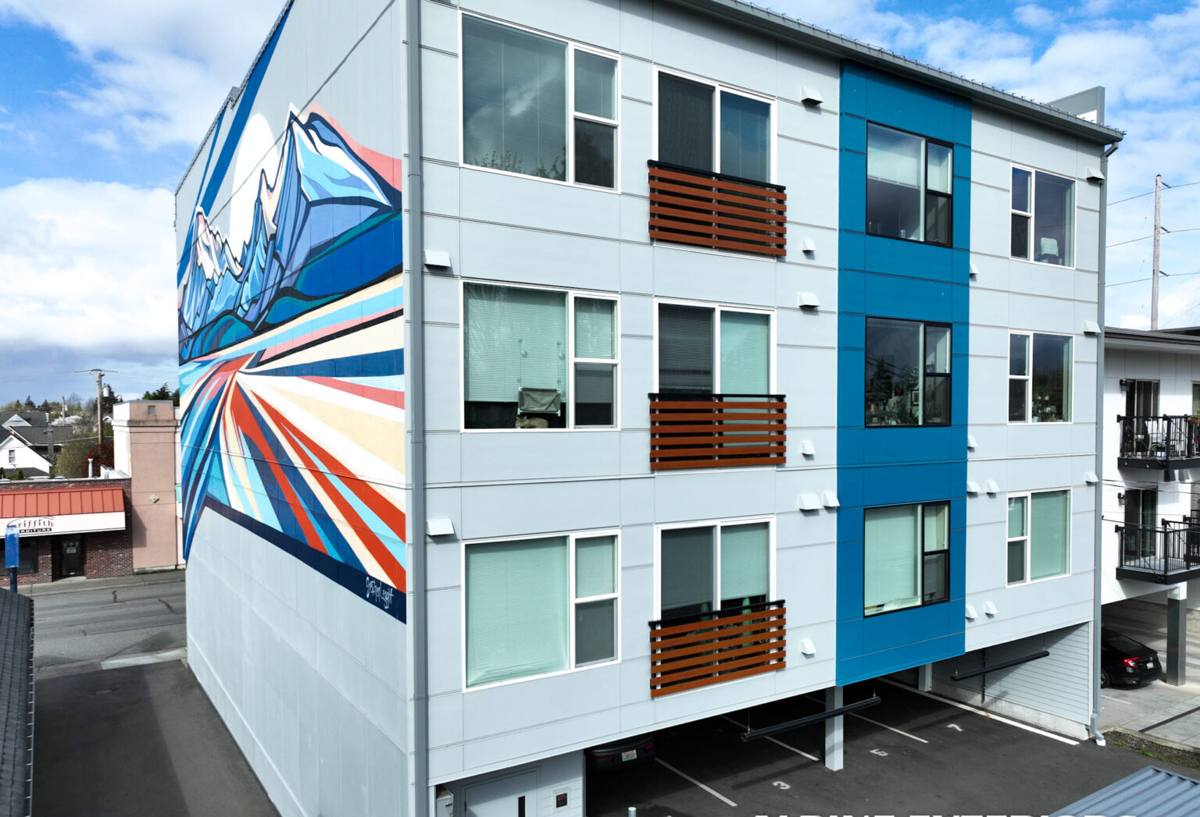
What Makes a Window Project "Custom" in a Neighborhood Like This
"Custom" gets used loosely in this trade. For Edgemoor, it usually means one or more of three real things: the opening isn't a standard modern size, the home has an architectural character worth matching, or the replacement has to account for existing trim, siding, and flashing details that a stock install would ignore.
Non-Standard and Irregular Openings
Older and architect-designed homes in this area often have openings that don't match current manufacturer standard sizes — sometimes by a little, sometimes enough that off-the-shelf sizing would leave gaps or require reframing. Custom-sized units, or careful field verification before ordering, avoid costly surprises mid-project.
Matching Sightlines, Grid Patterns, and Trim
Replacing a few windows on a home while leaving the rest original only looks right if sash proportions, sightlines, and grid patterns match. That takes more than picking a similar style off a spec sheet — it means measuring the existing units and choosing frame depth, sash width, and grille layout that actually align, inside and out.
Frame Material Choices for Salt Air and Marine Exposure
Every frame material handles this climate differently. There's no single "best" choice — it depends on the home's exposure, budget, and how much upkeep the owner wants to take on.
| Material | Performance Near Salt Air | Maintenance | Trade-Offs |
|---|---|---|---|
| Vinyl | Good — won't corrode or rot | Low; occasional cleaning | Limited color/profile options; can look less premium on high-end homes |
| Fiberglass | Very good — stable and corrosion-resistant | Low | Higher upfront cost than vinyl |
| Wood-clad | Depends entirely on cladding and joinery quality | Higher; finish and sealant need periodic attention | Best appearance match for period homes; most sensitive to installation quality |
| Aluminum | Poor unless thermally broken and well-finished | Moderate | We generally steer clients away from it this close to the water unless the design calls for it specifically |
We don't push one material on every job. What we do insist on is being honest about which materials hold up with minimal fuss in a marine environment versus which ones look great but demand more attention from the homeowner over the years.
The Installation Details That Actually Determine Whether a Window Leaks
The window unit itself is usually not where a leak starts. Most window failures we get called out to inspect trace back to the opening, not the glass.
Flashing and Weather-Resistive Barrier Integration
Flashing has to be layered correctly with the home's weather-resistive barrier so water is always directed outward and down, never trapped behind the siding. This matters more here than in a drier climate, because Edgemoor homes see enough sustained rain that any shortcut in the flashing sequence eventually shows up as a stain, a soft spot, or worse.
Sealant Joints and Sill Pans
A sill pan under the window opening gives any water that does get past the exterior seal somewhere to go, instead of sitting on bare framing. Sealant joints need to be sized and placed correctly, not just caulked heavily as a catch-all — over-caulking can actually trap moisture rather than shed it.
Our Process for an Edgemoor Window Project
- On-site assessment — we look at existing openings, siding condition, trim, and any signs of past moisture problems before recommending anything.
- Material and style selection — matched to the home's architecture, the owner's maintenance preference, and the exposure of that particular elevation.
- Precise field measurement — especially important on older or custom openings where nothing can be assumed to be square or standard-sized.
- Removal and opening prep — checking framing and sheathing condition once the old unit is out, and addressing any rot or moisture damage found before the new window goes in.
- Flashing, sill pan, and window installation — done in the correct sequence so water is always managed outward.
- Interior and exterior trim finish — matched to the home's existing details.
- Final walkthrough — operation, seals, and finish checked with the homeowner before we consider the job done.
What Drives the Cost of Custom Windows
Costs on a custom window project vary more than on a standard replacement, because so much depends on the condition of the existing opening and the material chosen. As a rough guide, homeowners in this area are typically looking at somewhere in the low-to-mid thousands per opening for a true custom fiberglass or wood-clad unit, professionally installed — vinyl runs lower, larger or specialty shapes run higher. Get a firm number from an on-site estimate rather than planning around a broad range.
| Factor | Why It Matters |
|---|---|
| Opening condition | Rot or moisture damage found during removal adds repair scope before the new window can go in |
| Frame material | Vinyl, fiberglass, and wood-clad carry different unit costs and different long-term maintenance costs |
| Size and shape | Non-standard sizes, arched or angled units, and large picture windows cost more to fabricate |
| Trim and exterior finish work | Matching existing trim profiles or repainting/staining adds labor beyond the window install itself |
| Number of openings | Doing several windows on one elevation at once is more efficient than one-off replacements over time |
Keeping Windows Performing Through Moss Season and Beyond
A well-installed window in this climate still needs some basic upkeep from the homeowner. None of it is difficult, but skipping it shortens the life of even a good installation.
- Clear moss and debris from sills and trim before it holds moisture against the wood or siding
- Rinse salt residue off frames and hardware periodically, especially on elevations facing the bay
- Check exterior caulking annually and re-seal any joints that have cracked or pulled away
- Keep gutters and downspouts clear so roof runoff isn't sheeting down past window heads
- Trim back branches or foliage that keep a window area shaded and damp longer than necessary
- Test operation and locks each season — hardware that's stiff or corroding is worth addressing early
Why Hiring a Crew That Already Works This Neighborhood Matters
Edgemoor's mix of mature, wooded, waterfront-adjacent properties isn't the same as a standard subdivision, and a window project here benefits from a crew that's already dealt with the quirks — the older openings, the salt exposure, the shaded lots that never fully dry out between storms. That familiarity shows up in fewer surprises during the job and a longer-lasting result once it's done. We do siding and window work throughout Fairhaven and the surrounding Whatcom County waterfront, and a neighborhood like this is exactly the kind of job we're set up to handle correctly the first time.
If you're weighing a window project on an Edgemoor home, we're happy to take a look and give you an honest read on what your openings need — no pressure, no obligation. Use the form below to request a free estimate.