 Fairhaven Siding
 Why Downtown Bellingham Windows Have to Work Harder
Downtown Bellingham sits close enough to Bellingham Bay that marine air is a fact of life year-round, and it's part of the same Whatcom County weather system that brings long stretches of driving rain off the water and a moss season that can run from fall clear into spring. Windows here aren't just holding back cold — they're fending off salt-laden air that corrodes hardware, wind-driven rain that finds every weak seam, and near-constant damp that feeds mold and mildew on anything that stays wet too long. A window that would be perfectly fine in a drier inland climate can start failing early once it's installed a few blocks from the water in a city like this.
That's the backdrop for every window job we do downtown. "Energy-efficient" here has to mean more than a good U-factor on a spec sheet — it has to mean a window and an installation that actually stand up to what this climate throws at them.
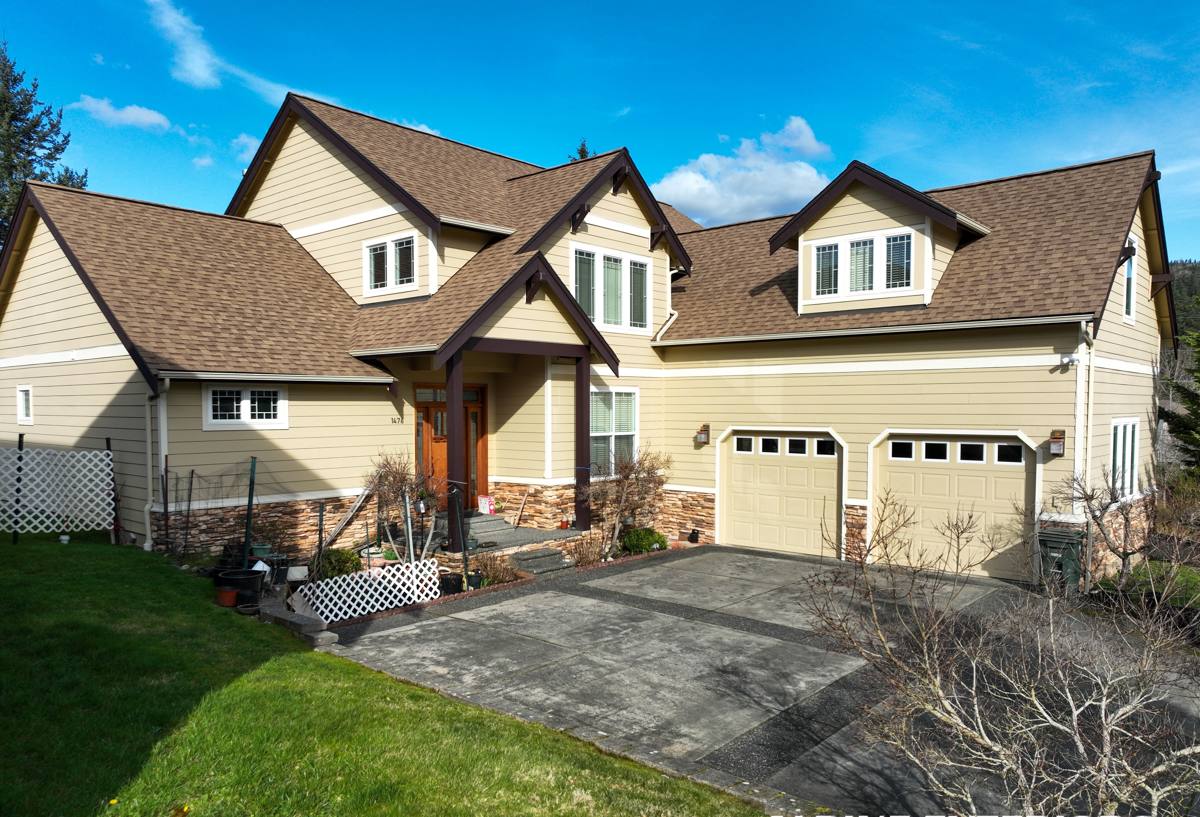
What "Energy-Efficient" Actually Means in This Climate
Energy performance ratings are a starting point, not the whole picture. In a marine climate like Whatcom County's, a few numbers matter more than others.
U-Factor and Solar Heat Gain Coefficient
U-factor measures how well a window resists heat loss — lower is better for our mild-but-damp winters where you're heating more often than cooling. Solar heat gain coefficient (SHGC) matters less here than in sunnier climates, but it's still worth getting right so you're not losing free winter warmth or overheating a south-facing room in July.
Air Leakage and Condensation Resistance
Air leakage ratings tell you how much outside air sneaks past the frame and sash — a bigger deal in a place with frequent wind-driven rain, because air gaps are often the same paths water uses to get in. Condensation resistance is the one homeowners notice first: a window that fogs or drips on the inside during a cold, damp week is telling you the glass or frame isn't keeping up with the humidity difference between inside and out.
Common Window Problems We See on Downtown Bellingham Homes
Downtown's housing stock is a mix of older single-family homes, converted multi-unit buildings, and newer construction, and we see a fairly consistent set of issues across all of it:
- Original single-pane or early double-pane windows that were never rated for today's energy codes
- Wood sills and jambs soft or rotting from years of rain intrusion at the sill, usually starting at the corners
- Failed insulated glass seals — visible as permanent fogging or a milky haze between the panes
- Moss, algae, or black mildew staining on frames and trim, especially on north- and west-facing walls that stay shaded and damp
- Hardware — locks, cranks, hinges — stiff or corroded from years of salt-tinged marine air
- Drafts and cold spots near window frames that show up on energy bills before they show up visually
None of these are unusual for the area. They're the predictable result of this climate working on a window year after year, and they're exactly what a correctly specified and installed replacement window is designed to stop.
Choosing the Right Window Material for This Job
There's no single "best" window material — there's the right material for a marine climate with heavy rain and moss exposure, weighed against cost and maintenance. Here's how the common options stack up for a downtown Bellingham home:
| Material | Moisture Behavior | Maintenance | Typical Cost |
|---|---|---|---|
| Vinyl | Won't rot; seams and welds need to be quality-built to stay sealed against driving rain | Low — occasional cleaning | Lower |
| Fiberglass | Very stable in wet/dry cycling; holds paint and seals well over time | Low | Mid to higher |
| Wood, unclad | Handsome but vulnerable to rot and moss growth without diligent upkeep | High — regular painting/sealing | Mid to higher |
| Wood-clad (aluminum or fiberglass exterior) | Good — cladding shields the wood core from the weather side | Moderate — interior wood still needs attention | Higher |
For most Downtown Bellingham homes, we steer people toward vinyl or fiberglass for street-facing, weather-exposed walls simply because they hold up to sustained damp and salt air with the least upkeep. Where the look of real wood matters — on a historic or architecturally distinct home — a well-built wood-clad window can be the right call, as long as the homeowner understands the interior wood still needs periodic attention. We'll walk through the trade-offs honestly rather than push whatever's easiest for us to install.
Our Installation Process
1. On-Site Assessment
We look at each opening individually — not just the window itself, but the sill condition, the flashing underneath, any rot in the surrounding framing, and how that wall has historically handled rain. Two windows on the same house can need different fixes depending on which way they face and how exposed they are.
2. Removal Without Hidden Damage
Old windows come out carefully so we can see what's actually going on behind them — rot, missing or degraded flashing, gaps in the weather barrier. This is where problems that caused the original failure get caught and fixed, not just covered up with a new window.
3. Flashing and Weatherproofing
This is the step that determines whether the new window lasts. Proper sill pan flashing, correctly lapped house wrap or building paper, and sealant placed where it actually does something — not just a bead around the trim — are what keep driving rain from working its way behind the window over time. This matters more here than in a drier climate, because Whatcom County storms don't just get windows wet, they push water sideways at them for hours at a stretch.
4. Installation and Sealing
The window gets set plumb, level, and square, shimmed and fastened per the manufacturer's specs (which is also what keeps the warranty valid), then sealed both inside and out with the right sealant for the material.
5. Final Check
We test operation, check the seal, and clean up the work area before we call the job done.
Why the Details Matter More Downtown Than Elsewhere
A lot of window problems we get called out to fix aren't the window's fault at all — they're an installation shortcut that didn't account for how much rain this climate actually delivers. Skipped sill flashing, sealant used as a substitute for proper flashing instead of a backup to it, or fasteners in the wrong spots are the kind of mistakes that don't show up for a year or two, by which time the water damage is already inside the wall. In a location fielding regular wind-driven rain off the bay, there's very little margin for that kind of shortcut. We treat flashing and sequencing as the part of the job that actually protects your investment, not a step to rush through to get to the visible finish work.
Why a Crew That Already Works Downtown Bellingham Matters
We're based in Fairhaven, just south of downtown, and we're in and out of Downtown Bellingham regularly — which means we already know what this particular part of the city tends to throw at a window job. Downtown's housing stock skews older in places, with some homes and multi-unit buildings dating back many decades, so we're used to working around original framing, settled openings that aren't quite square anymore, and the kind of rot patterns that older single-pane windows in this climate reliably produce. If a property falls under any city permitting or design-review requirement — which can apply to certain structures depending on age, location, or zoning — we help homeowners figure out what's needed rather than leaving them to sort it out alone. And because we're local, working through downtown's tighter lots, on-street parking, and building access is routine for us, not a logistics problem we're solving for the first time.
What to Expect: Timeline, Disruption, and Cost Factors
Most single-window replacements take a few hours; a full-home window replacement is typically spread over one to a few days depending on the number of openings and whether we're finding hidden rot that needs repair along the way. Cost depends on window size, material, glass package, and how much of the surrounding trim or sill needs to be rebuilt — we'll give you real numbers for your specific home rather than a generic range that doesn't mean much.
A few things worth knowing before a window project starts:
- Have a general idea of which rooms matter most for comfort or noise — that can shape material and glass choices
- Expect some interior work: trim, drywall, or paint touch-up around the new window
- Ask about warranty coverage on both the window itself and the installation labor — they're usually separate
- If your home is older, expect that removing old windows may reveal wall condition issues worth addressing while it's open
- Clear furniture and window coverings from the work area ahead of time to keep the job moving
If you're weighing replacement windows for a home in or near Downtown Bellingham, we're happy to take a look and give you a straight, no-pressure estimate — including what we find about the current windows' condition and what we'd actually recommend for your specific walls and exposure. Use the form below to get started.