 Fairhaven Siding
 Deck Replacement in Sunnyland: What This Climate Actually Does to a Deck
Sunnyland is a settled, tree-covered residential neighborhood in Bellingham, and while it sits back from the immediate waterfront, it's still squarely inside the marine climate that shapes exterior work across Whatcom County. Salt-tinged air drifts inland from Bellingham Bay more than most homeowners realize, wind-driven rain still finds its way under flashing and into ledger connections, and the mature tree canopy that gives the neighborhood its shaded, established feel also means decks here spend a lot of the year damp. None of that shows up overnight. It shows up as soft framing, corroded hardware, and a deck surface that's slick with moss well before the wood or composite itself has actually reached the end of its service life.
Salt Air Doesn't Stop at the Waterfront
You don't have to live directly on the water for marine air to matter. Salt-laden moisture carries inland on prevailing wind and settles on exposed metal, joist hangers, structural screws, railing hardware, at a slow, steady rate most people never notice until a fastener starts bleeding rust or a railing bracket goes soft. On a deck built with standard, uncoated hardware, that corrosion can compromise structural connections years before the visible decking looks worn out.
Driving Rain and Ledger Board Failure
The ledger board, the framing member that bolts your deck to the house, is the single most common failure point on decks throughout this region, and driving rain is usually the reason why. Wind-pushed rain gets behind poorly flashed ledger connections and tracks down into the rim joist and wall framing below, where it can rot both the deck structure and the house itself long before anything looks wrong from a normal walk-around.
A Long Moss Season Under Tree Cover
Sunnyland's tree-lined streets and established landscaping are part of what makes the neighborhood pleasant to live in, but shade and consistently damp air are exactly what moss needs to take hold. On a deck, moss isn't just a housekeeping problem. It holds moisture against the surface long after the rest of the yard has dried out, and on wood decking it accelerates rot in exactly the boards that get walked on most. Whatcom County's moss season can run most of the year on a shaded deck, which is longer than most decking products, especially wood, are really built to tolerate without ongoing maintenance.
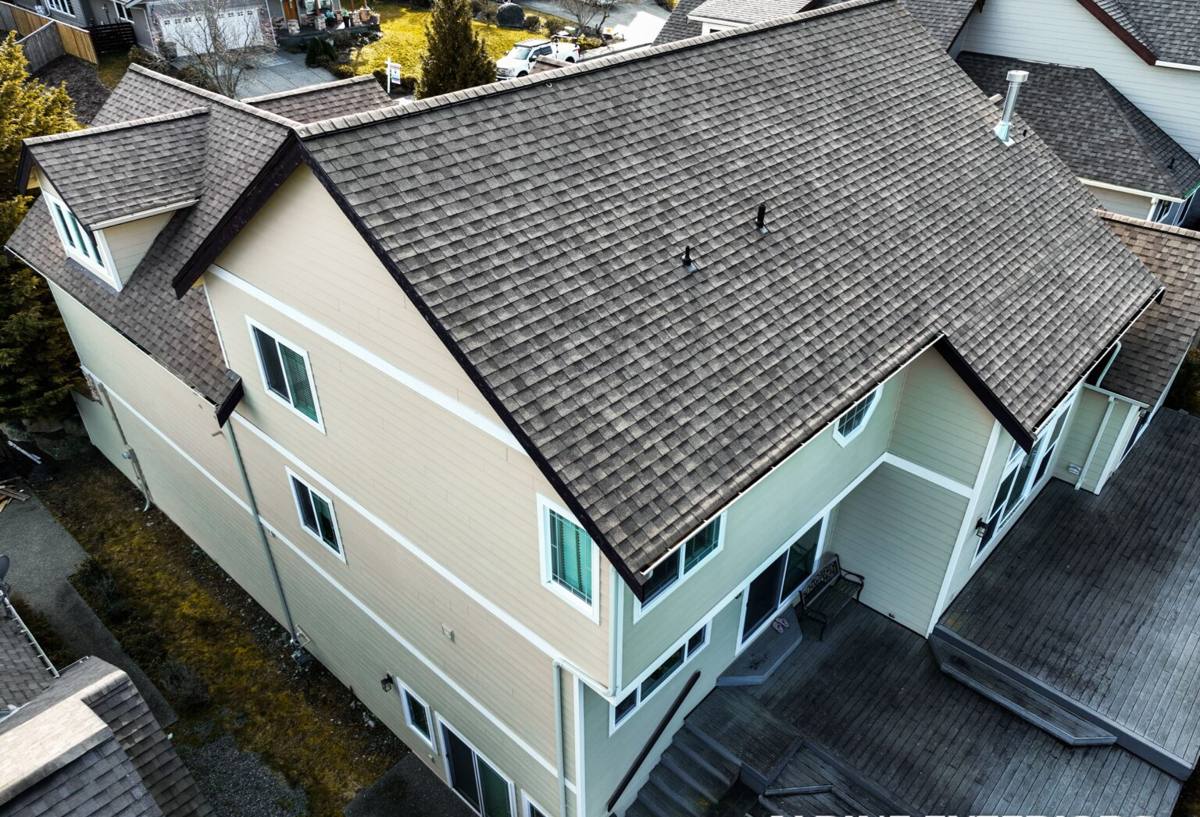
Signs a Sunnyland Deck Has Reached the End of Its Life
- Soft, spongy, or springy decking boards, especially near the house or in shaded corners
- A ledger board area that stays damp long after the rest of the deck has dried
- Rust staining or corroded fasteners, joist hangers, or railing brackets
- Persistent moss or algae growth that returns quickly after cleaning
- Railings or stairs that feel loose, wobbly, or structurally uncertain
- Gaps, cupping, or splitting in aging wood decking
- Visible daylight or gaps where the deck meets the house
- A deck that's 15 to 25-plus years old and has never been rebuilt from the frame up
Some of these are repair items. Others mean the structure underneath has been compromised, and no amount of surface-level fixing changes that. Part of giving you an honest estimate is telling you plainly which situation you're actually looking at.
What a Correct Deck Replacement Actually Involves
A deck replacement done right is a structural project first and a decking-material decision second. Every part of the job below the walking surface determines how long the finished deck actually lasts in this climate.
Framing and Footings
Everything above the frame depends on what's underneath it. Footings need to be sized and set below frost depth per code, posts need to be rated for exterior structural use, and joist spacing needs to match the decking material you're installing, since composite and wood have different span requirements. Reusing old footings or framing to save money on a project that's otherwise a full replacement usually just moves the next failure a few years down the road instead of solving it.
Ledger Board Flashing
Because the ledger connection is where most deck failures start in this climate, we treat ledger flashing as one of the most important details on the job, not an afterthought. That means flashing integrated with the house's existing water-resistive barrier, fastener spacing rated for the actual load, and a connection built to shed water away from the house instead of trapping it against the wall.
Decking Material
Wood, composite, and PVC decking all perform differently under sustained damp and shade, and the right choice depends on the specific deck's sun exposure and how much upkeep you actually want to do. We'll walk you through the honest trade-offs for your yard rather than pushing one material on every job.
Fasteners and Hardware
Given how much marine air affects this region, we use corrosion-resistant, code-rated fasteners and structural hardware throughout the deck, not just at the ledger. It costs more up front than standard hardware, and it's a detail that's invisible once the deck is finished, but it's one of the differences between a deck that holds up for decades and one that starts developing hardware problems within the first several years.
Decking Material Options for a Shaded, Damp Climate
| Material | Upkeep | How It Handles Shade & Moss | Typical Lifespan |
|---|---|---|---|
| Pressure-treated wood | Regular sealing and cleaning | Absorbs moisture; needs consistent maintenance to resist rot and moss in shaded spots | 10-15 years with upkeep |
| Cedar | Periodic staining or sealing | Naturally rot-resistant but still needs real maintenance in a wet, shaded yard | 15-20 years with upkeep |
| Composite decking | Occasional cleaning, no sealing or staining | Doesn't absorb moisture the way wood does, though moss can still grow on the surface without periodic cleaning | 25-30-plus years |
| PVC / capped decking | Minimal; occasional cleaning | Fully sealed surface resists moisture absorption best of the group | 25-30-plus years |
Framing lumber sizing and joist spacing depend on which of these you choose, which is part of why the decking material needs to be decided before framing begins, not after.
Our Deck Replacement Process
- On-site assessment: We walk the existing deck, check the ledger connection and framing for hidden moisture or rot, and get a clear picture of what's actually structural versus cosmetic.
- Honest scope and estimate: You get a written plan that spells out framing, flashing, decking material, and hardware, not just a single number.
- Permitting: We handle the permit process for the jurisdiction your home falls under, since deck replacements of most sizes require one.
- Demolition and disposal: The old deck comes out, and we check the framing and ledger area underneath for hidden damage before anything new goes up.
- Structural rebuild: Footings, posts, framing, and ledger flashing are built to current code, not just replicated from the old deck.
- Decking, railing, and stairs: Your chosen material is installed with fastening details appropriate to that product and this climate.
- Final walkthrough: We go over the finished deck with you, including basic care specific to the material you chose.
Permits, Code, and Structural Requirements
Most deck replacements in Bellingham and unincorporated Whatcom County require a building permit, particularly when the deck is attached to the house or elevated more than a modest height above grade. Permitted work means an inspector checks footing depth, ledger attachment, and guardrail and stair specifications against current code, which is a real layer of protection for you as the homeowner, not just paperwork. Skipping the permit process might save time up front, but it can create real problems later, from insurance complications to issues that surface when you go to sell the house.
Guardrails and Stairs
Guardrail height, baluster spacing, and stair rise-and-run all have specific code requirements, and older decks throughout the area were frequently built before current standards existed. A full replacement is the natural point to bring these details up to code rather than replicating an outdated configuration.
Cost Factors for a Sunnyland Deck Replacement
| Factor | What It Affects | Why It Matters Here |
|---|---|---|
| Deck size and layout | Material quantity and labor time | Multi-level decks and stairs add complexity beyond a simple square footprint |
| Framing condition | Whether the frame can be reused or must be rebuilt | Hidden ledger and joist rot is common on older decks in this climate |
| Decking material choice | Material cost and long-term maintenance | Composite and PVC cost more upfront but need far less upkeep in a shaded, damp yard |
| Site access and tree cover | Labor time and setup | Mature landscaping common in Sunnyland can affect equipment access and material staging |
| Railing and stair requirements | Material and labor | Bringing an older deck's guardrails and stairs up to current code adds scope on many replacements |
Real pricing depends on the specific deck, which is why we walk the property in person rather than quoting from a photo or a phone call.
Why a Crew That Already Works in Sunnyland Matters
A contractor who works this part of Whatcom County regularly has already seen how shade, salt air, and sustained damp weather affect a deck's framing and hardware over time, not just how a product is rated on paper. That translates into practical judgment calls on install day: where to add extra flashing attention at the ledger, which fastener grade actually holds up here, and which decking material fits a specific yard's sun exposure and tree cover. Sunnyland's mix of established homes and mature landscaping isn't the same as a newer subdivision on open, sunny ground, and a crew with real experience in the neighborhood plans the job accordingly instead of applying a generic approach to every deck.
If your Sunnyland deck is showing its age, or you just want an honest opinion on whether it needs repair or full replacement, we're glad to take a look. Reach out using the form below to schedule a free, no-pressure estimate.