 Fairhaven Siding
 Custom Windows for Sehome Homes
Sehome sits close enough to Bellingham Bay and the Fairhaven waterfront that its homes take on a particular set of weather problems: salt-laden air, wind-driven rain that finds its way sideways under eaves, and long stretches of grey, damp months where moss and mildew get a foothold on anything that stays wet. Windows are one of the first things to show that wear — failed seals, fogged glass, swollen sashes, and trim that's gone soft. When we talk about "custom windows" for a Sehome property, we mean windows built and installed to fit that specific house and that specific exposure, not a one-size-fits-all box pulled off a shelf.
Sehome's mix of older bungalows, mid-century homes, and newer infill construction means window openings are rarely standard sizes anymore, especially after decades of settling, prior remodels, or additions. Custom windows solve the fit problem and, done right, they also solve the weather problem — because the window itself is only half the job. The other half is how it's flashed, sealed, and tied into the existing siding and wall assembly.
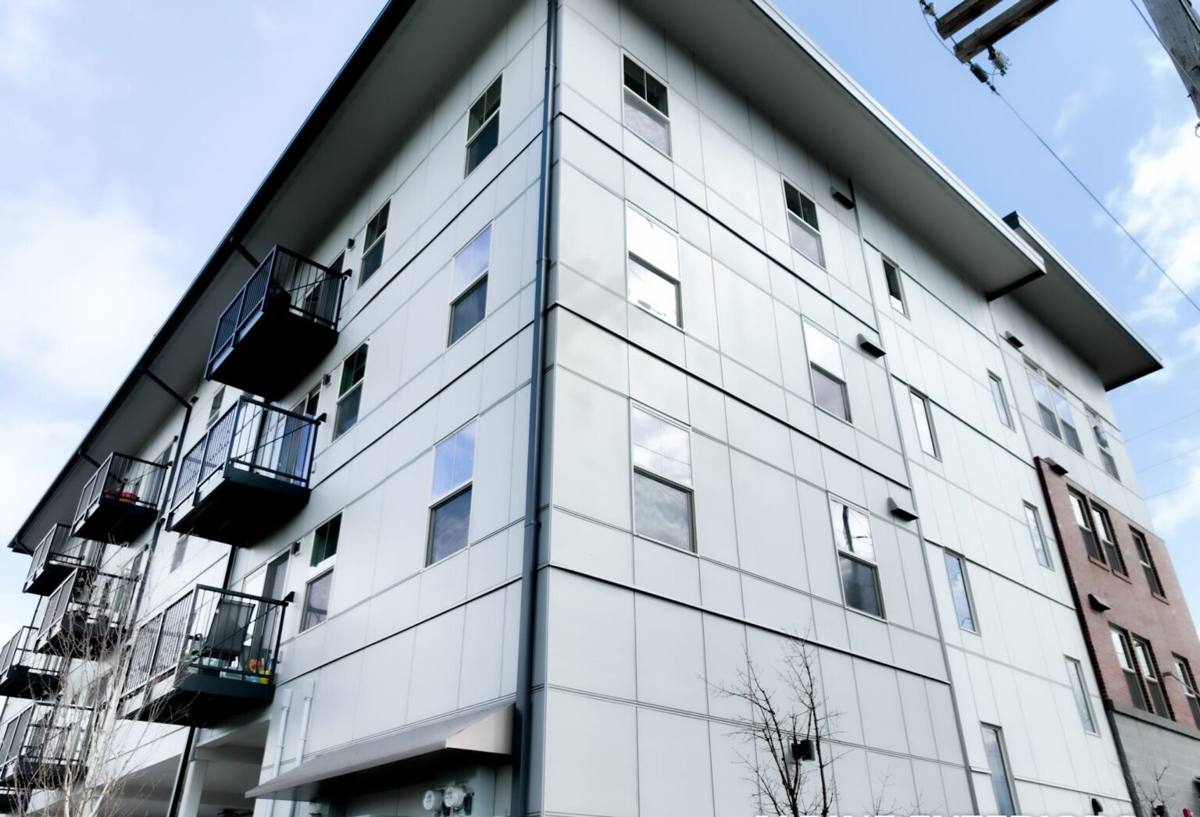
What Whatcom County Weather Does to Windows Over Time
We don't need to exaggerate the climate here — the plain facts are enough to explain why window failures are so common in this part of Fairhaven.
- Salt air corrodes exposed metal hardware, hinges, and lesser-grade aluminum components faster than it would inland.
- Driving rain, especially in windier fall and winter storms, pushes water sideways into any gap in flashing or caulk instead of just running down the glass.
- Long wet seasons mean wood trim and sills stay damp for extended periods, which is exactly the condition mold, moss, and rot need to take hold.
- Temperature swings between our mild summers and cold, wet winters cause seals and caulking to expand and contract, which is what eventually breaks a watertight seal.
None of this means windows in Sehome fail faster than anywhere else in Western Washington — it means the details of the install matter more here than they would in a dry climate, because there's less room for error before water finds a way in.
Common Failure Signs We See on Sehome Homes
- Fogging or moisture between double-pane glass (a sign the seal has failed)
- Soft or discolored trim and sills, especially on the south and west-facing walls that catch the worst of the weather
- Windows that stick, won't latch, or have visibly sagged in the frame
- Visible moss or dark streaking on window sills and the siding just below them
- Drafts or a noticeable temperature difference near the window even when it's fully closed
What "Correct" Custom Window Installation Actually Involves
A window is only as good as the opening it sits in. We build our process around getting the parts you can't see right, because those are the parts that determine whether a window lasts 5 years or 30.
1. Measuring and Sizing
Custom windows are measured to the actual rough opening on your house, not a catalog standard. On older Sehome homes, openings are often slightly out of square after decades of settling — we account for that rather than forcing a stock-size window to fit and leaving gaps to be caulked over.
2. Removing the Old Window Without Damaging the Opening
We take the old window and any compromised trim out carefully so we can actually see the condition of the framing underneath. This is the point where hidden rot or old water damage shows up — and it's much cheaper to deal with now than after a new window is sealed on top of it.
3. Repairing the Rough Opening
If there's soft wood, old failed flashing, or signs of past leaks, we address that before anything new goes in. Installing a brand-new window over a damaged opening just hides the problem for a year or two before it reappears.
4. Flashing and Weatherproofing
This is the step that matters most in a wet, wind-driven climate like ours. Proper flashing directs water down and out and away from the framing rather than letting it wick inward. We integrate the flashing with the existing house wrap or siding so water sheds the way it's supposed to — a window can have great glass and still leak if the flashing behind it is an afterthought.
5. Setting, Shimming, and Sealing
The window gets shimmed level and plumb, fastened per the manufacturer's specification, and insulated around the frame — not just caulked at the exterior trim. A window that's crooked in the opening will stress the seals unevenly and fail sooner.
6. Exterior Trim and Finish Work
Trim gets sealed and finished to shed water, with attention to any horizontal surfaces (like sills) that tend to collect moisture and moss over a wet Whatcom County winter.
Choosing the Right Window Material and Glass for This Climate
There's no single "best" window material — it depends on your home's exposure, your maintenance preferences, and your budget. Here's how the common options actually perform in a marine climate like Fairhaven's:
| Material | How It Handles Our Climate | Maintenance | Typical Trade-Offs |
|---|---|---|---|
| Vinyl | Doesn't rot or corrode from salt air; handles moisture well | Low — occasional cleaning | Fewer color/finish options than wood or fiberglass |
| Fiberglass | Very stable in temperature swings and damp conditions; strong resistance to warping | Low | Higher upfront cost than vinyl |
| Wood | Classic look, but needs a real maintenance commitment in a wet climate | High — repainting/sealing on a schedule | Most vulnerable to rot if maintenance lapses |
| Aluminum | Strong but conducts cold and is more prone to condensation; standard hardware can corrode near salt air over time | Moderate | Best reserved for specific architectural needs, with corrosion-resistant hardware specified |
| Wood-clad (wood interior, metal/vinyl exterior) | Combines interior wood look with a weather-resistant exterior shell | Low exterior, moderate interior | Higher cost; a middle-ground option worth considering |
For most Sehome homes, we lean toward vinyl or fiberglass for exterior-exposed windows because they hold up to salt air and repeated wet-dry cycling with the least ongoing maintenance. Where a homeowner wants a wood interior look for character or historic matching, wood-clad options let you keep that without exposing bare wood to the weather side.
Glass and Seal Considerations
Double-pane, insulated glass units (IGUs) with a quality warm-edge spacer are standard for this climate — they resist both heat loss and the condensation that shows up on cold, damp mornings. Low-E coatings help with energy performance year-round, which matters given how many overcast, heating-heavy months Western Washington gets. The seal on the glass unit itself is one of the most common failure points we replace, so we don't cut corners on spacer or seal quality just to save a small amount up front.
Our Process, Start to Finish
- On-site assessment — we look at your current windows, the condition of the surrounding trim and siding, and how your home is oriented relative to prevailing wind and rain.
- Measurement and product selection — we measure exact openings and go over material, glass, and style options based on your home and budget.
- Written estimate — a clear scope of work and pricing before anything is ordered.
- Ordering and scheduling — custom windows take lead time to manufacture; we'll give you a realistic timeline up front.
- Removal and opening inspection — old windows come out, and we check the framing before anything new goes in.
- Installation — proper flashing, shimming, sealing, and insulation, done to manufacturer spec.
- Final walkthrough — we check operation, sealing, and finish work with you before calling the job done.
What to Check Before Hiring Anyone for Window Work
- Do they inspect the rough opening, or just swap the window and re-caulk the trim?
- Can they explain how they'll flash the new window into your existing wall assembly?
- Do they carry proper licensing and insurance for exterior work in Washington?
- Will they give you a written estimate with the product, glass type, and scope spelled out?
- Do they have experience with homes in this specific area, where salt air and driving rain are part of the equation?
Why Local Installation Experience Matters in Sehome
A crew that regularly works in Fairhaven and the surrounding Whatcom County neighborhoods has already seen how houses in this area age — where the moss builds up first, which wall orientations take the worst of the wind-driven rain, and how older framing in this part of town tends to be built. That's not something you get from a national install crew passing through on a one-off job. It shows up in small decisions: how flashing is layered, which sealants actually hold up through a full wet season instead of just looking good on install day, and where extra attention to detail is worth the time.
It also matters for accountability. A local contractor is going to be around next year and the year after if something needs a second look — that's a different relationship than a crew that installed your windows and left the area for good.
Maintaining Custom Windows in a Marine Climate
Even a well-installed window benefits from basic upkeep in this climate:
- Rinse salt residue and grime off exterior glass and frames periodically, especially after storms
- Check and clear weep holes (small drainage openings at the base of the frame) so water doesn't pool
- Inspect exterior caulking annually and touch up any cracked or separated sections before wet season
- Watch for moss starting on sills or nearby siding and remove it early rather than letting it spread
- Operate windows periodically even in winter so hardware doesn't seize from disuse and moisture
These are small habits, but in a climate that gives windows a real workout for most of the year, they add years to the life of a properly installed unit.
If you're dealing with drafty, foggy, or sticking windows on a Sehome home — or planning ahead before the wet season sets in — we're happy to take a look and put together a free, no-pressure estimate. Use the form below to get started.